Introduction: The Magic of Mushrooms
Imagine walking through a forest after the rain, discovering mushrooms sprouting from the ground, their caps dotted with sparkling droplets of water. It’s a sight that’s both fascinating and mysterious.
However, behind every mushroom lies a true marvel of nature. Contrary to what one might think, mushrooms do not grow on their own; their appearance is the result of a complex series of events.
Every mushroom is, in fact, a little miracle.
The Life Cycle of a Mushroom: A Miracle in Itself
Spores: The Seeds of the Mushroom
Fungi reproduce through spores, which are microscopic cells released into the environment. But a single spore, no matter how resilient it may be, is not enough to form a fungus. It must encounter another compatible spore. Such encounters are actually quite rare, and the chances of success are low.
The Gathering of Primary Mycelia
For a mushroom to grow, two compatible spores must germinate and form primary mycelia. These must then fuse to create a secondary mycelium capable of producing a mushroom. This process is complex and fraught with challenges:
Natural Obstacles
Once the mycelium has formed, it must still survive numerous threats: insects, slugs, bacteria, other fungi, drought, lack of nutrients, sunlight, wind, cold, heat... The chances of survival are slim. Yet, when all the right conditions come together, a miracle occurs: the fungus eventually produces fruiting bodies.
fruiting
fruiting the final stage—the part we see when we pick a mushroom. But that’s just the tip of the iceberg; the real work happens underground, in the mycelium.

Mushroom Cultivation: A Replica of Nature
Mushroom cultivation involves replicating this life cycle in a controlled environment to maximize the chances of fruiting. It is a delicate process that requires precision and patience to mimic optimal natural conditions.
The Different Stages of Cultivation
- Substrate Preparation: The substrate—such as straw, wood, or coffee grounds—must be carefully selected and sterilized to prevent contamination.
- Inoculation: Spores or mycelium are introduced into the prepared substrate to initiate the growth process.
- Incubation: The inoculated substrate kept at temperatures and humidity levels that are ideal for promoting mycelium growth.
- fruiting : Once the mycelium has matured, environmental conditions are altered to trigger fruiting.
- harvest Reuse: After fruiting, the mushrooms are harvested, and the substrate can be prepared for a new crop.
Every step is crucial and requires careful monitoring. Growers must not only replicate natural conditions but also enhance them to ensure the best harvest .
Maximizing Your Chances of Success: Beating the Odds
Techniques for Reducing Risks
Growers use advanced techniques to reduce the risk of contamination, poor growth, or crop failure. These include sterile environments, precise control of environmental parameters, and the use of optimized growing media.
The Importance of Perseverance and Experimentation
Growing mushrooms is far from an exact science. It takes perseverance and experimentation to succeed. Mistakes are common, but they also provide opportunities to learn and improve.
Conclusion: Rediscovering the Joy of Mushrooms
Whether they grow wild or are carefully cultivated, mushrooms are the result of remarkable effort and a delicate interplay of favorable conditions. Each mushroom is a testament to the resilience of nature and human ingenuity.
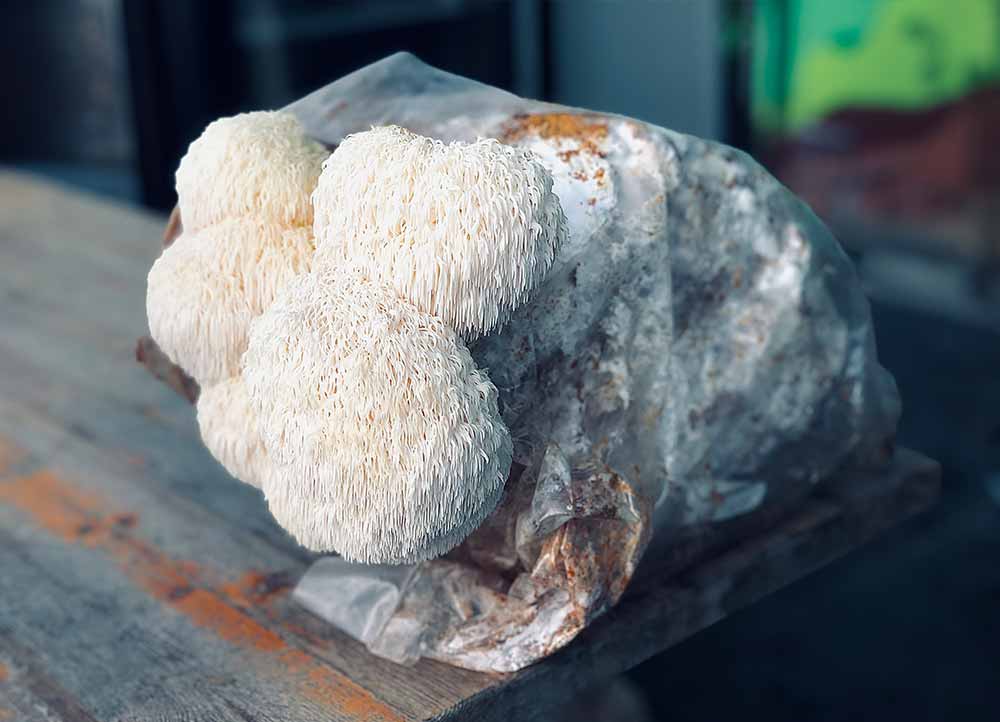
Our fruiting blocks :

Our mushroom logs are ready to use: just add water and place them in a suitable spot to watch the mushrooms grow.

Like all our products, these bundles are certified organic and meet the strict standards of organic farming.

About the author
He has been working for several years on mycelium cultivation, organic mushrooms, and functional extracts. Through his articles, he shares practical expertise gained from the production, experimentation, and processing of mushrooms.
Discover the Mycosphere