What is incubation?
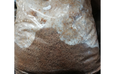
The incubation of mushroom substrates refers to the vegetative phase during which the mycelium colonizes and breaks down the substrate, prior to fruiting the formation of mushrooms. In practical terms, after inoculation, the white filaments spread throughout the particles of straw, grain, or sawdust to form a dense, uniform network.
This stage takes place in a controlled environment: moderate temperature (22–26 °C), humidity maintained inside the bag, low light, and limited gas exchange. The goal is simple: to achieve complete colonization without leaving any room for contamination (Trichoderma, bacteria). Poorly controlled incubation prolongs the cultivation cycle and reduces yield.
- Average duration: 10 days (oyster mushrooms) to 60 days (shiitake mushrooms grown on wood).
- Sign of success: uniform white color, with the bag tightly sealed around the substrate.
- Paramètre clé : température interne < 28 °C pour éviter la “cuisson” bactérienne.
- Risks: overheating, contamination, under- or over-watered substrate.
In practical terms, 90% of a crop’s success hinges on this: a well-colonized substrate ensures fast growth, healthy plants, and high-quality harvests—and thus a better final yield. Understanding the basics (mycelial respiration,CO2 management, temperature thresholds) gives you a head start, whether you’re growing fast-growing oyster mushrooms or slower-growing shiitake mushrooms.
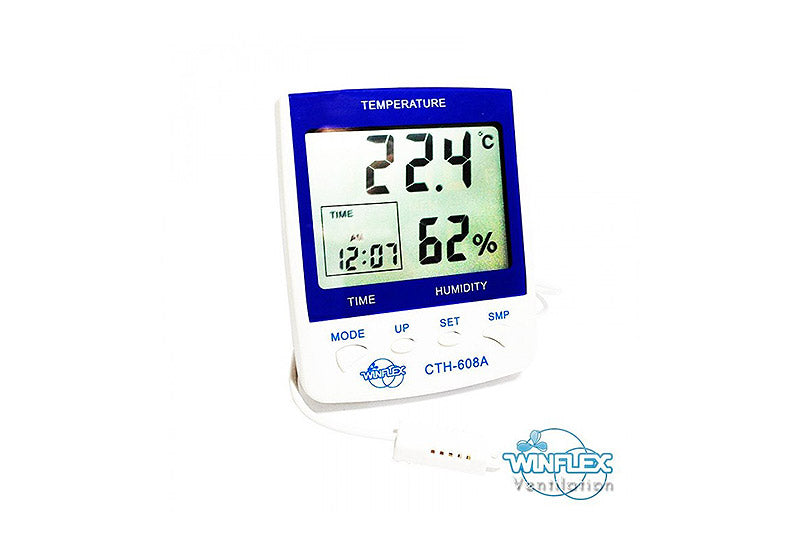
⚗️Grower's tip: Check and record the internal temperature of the bags every day; a sudden spike to +3 °C often indicates intense mycelial activity… or the onset of contamination. Meat-thermometer-style devices are inexpensive and work perfectly well for this purpose.

Frequently Asked Question 1: Why isn't my mycelium colonizing?
Often, the incubation temperature is too low or the substrate lacks oxygen. Make sure the room stays between 22°C and 26°C, give the bag a gentle shake to improve aeration, and then wait 48 hours before taking any action.
Frequently Asked Question 2: Does incubation have to take place in the dark?
Not necessarily; diffused light (≤ 200 lux) does not affect colonization, but darkness lowers the temperature and limits certain types of contamination.
Now, let’s take a closer look at the optimal incubation conditions that are essential to your success.
2. The 4 optimal incubation conditions
Successful incubation of substrates for mushroom cultivationdepends on four key factors: temperature, internal humidity, darkness/diffused light, and gas exchange. When properly controlled, these factors accelerate colonization, reduce the risk of contamination—such as by Trichoderma—and ensure higher yields.
Be sure to measure the incubation temperature at the center of the bags, not just in the room; a difference of 2 °C is enough to slow down the mycelium. At the same time, maintain “closed” humidity (unpierced bags) and allow just enough fresh air to preventCO2 buildup.
2.1 Ideal temperature
- Oyster mushrooms: 22–24 °C (fastest colonization).
- Shiitake: 24 °C, then "resting" at 20 °C once 60% colonization is achieved.
- It is better to keep temperatures slightly on the cool side than too high. Avoid exceeding 25°C.
- Absolute maximum: 28 °C — above this temperature, bacterial flora proliferates and growth is significantly impaired.
Note that substrates high in sugar, combined with a thick layer of mycelium on the grains, will encourage heat production by the mycelium. This heat stimulates the metabolism of the surrounding mycelium, which in turn generates even more heat. This can create a vicious cycle that rapidly raises the temperature in your room to levels that are too high for your mycelium.
2.2 Humidity
A closed bag creates its own microclimate. If you see condensation inside, it means there’s a temperature difference: move the bags closer to a warmer area or use a gentle fan.
Condensation inside the bags may indicate the presence of bacteria in the substrate, which also generate a lot of heat. It can also be caused by excessive temperature fluctuations in the room. That said, it’s very common to see a little condensation in the bags; this is normal and isn’t necessarily cause for concern. Over time, you’ll be able to tell the difference between what’s normal and what indicates a problem.
2.3 Darkness & Light
Most species can tolerate up to 200 lux. According to various studies, low, diffused light during incubation is beneficial for shiitake mushrooms, allowing them to properly undergo their "pop-corning" and "browning" phases.
For oyster mushrooms, light triggers the formation of primordia, so complete darkness is recommended.
2.4 Gas Exchange
The mycelium needs to breathe: use a 0.5 µm filter or cotton wool. Clogged filters lead to highCO2 levels, which halt colonization. Depending on the amount of substrate in your room, you may need to provide additional ventilation. If possible, filter the incoming air and maintain positive pressure in the room.
Frequently Asked Question: Can I stack my incubation bags?
No, that's not recommended. The heat andCO2 trapped in the center slow down colonization and promote mold growth.
Now it’s time to focus on preventing infections to ensure the safety of this critical phase.
3. Hygiene & Contamination Prevention:
Theincubationphase rarely takes place in a cleanroom, but a clean and stable environment remains essential. Dust, competing spores, and bacteria thrive in the heat and humidity of the substrate; without basic hygiene, they will take hold even before full colonization has occurred.

A good protocol minimizes air turbulence, reduces handling, and requires regular visual inspection (1–2 times per week). Maintain a “clean zone”: surfaces wiped down with isopropyl alcohol, gloved hands, and bags sealed immediately after inoculation. Thisensuresthatthe incubation process isdominated by the mycelium, not by Trichoderma or filamentous bacteria.
| Color | Most common name | Probable cause |
|---|---|---|
| Bright green | Trichoderma | Excess moisture, improperly sterilized grain |
| Pink / orange | Bacteria (Bacillus) | Temperature too high, filter clogged |
| Black / Blue | Competitive molds | Airborne dust, bag not properly closed |
- Cleaning: countertops and walls disinfected with 70% isopropyl alcohol.
- Gentle ventilation: laminar flow or a calm room, with no sudden drafts.
- Note: Record the color, odor, and cause of each abnormality.
- Immediate action: Isolate or discard any suspicious bags to protect the batch.

A photo showing a rather attractive Trichoderma infection.
4. Monitoring the incubation
Duringincubation, visual inspection remains your best tool: healthy mycelium forms a uniform white fuzz, without any gray rings or green spots. Check each bag every two days; note how quickly the white mycelium “eats” through the substrate—this is a direct indicator of vitality and future yield.
Grab a permanent marker: draw a progress line on the side of the bag to track your progress. Combined with a quick weigh-in (a 1–3% loss of water is acceptable), this objective method reveals any plateau before it becomes critical.
| Day | Visual condition | Action |
|---|---|---|
| J0 | Sterile medium | Seeding |
| J3 | Blancheur < 25 % | Optional: Shake to distribute the mycelium |
| J6 | 50% whiteness | None – OK |
| J9 | 75% whiteness | None – OK |
| J12 | 100% white | Ready for "rest" or fruiting |
- Stagnation index: no visible progress for ≥ 48 hours.
- Monitoring: internal temperature, substrate moisture,CO2 filtration.
- Logbook: date, degree of colonization, observations regarding odor and color.
Frequently Asked Question: My mycelium has stopped growing at 80%—what should I do?
Increase air circulation (briefly open the bag), lower the room temperature by 1–2 °C, and gently massage the substrate to redistribute the moisture.
5. Specific characteristics depending on the substrate
Incubation variesgreatly depending on the type of substrate. Each substrate has its own colonization rate, risk level, and impact on future yield. Adjusting your parameters (incubation temperature, humidity, and filling density) to suit each substrate helps avoid many surprises.
| Substrate | Colonization rate | Risk of contamination | Key benefit |
|---|---|---|---|
| Rye grains | ⚡ Very fast (3–7 days) | High — nutrient-rich | Excellent mycelium growth; ideal for propagation |
| Enriched sawdust | 🐢 Slower (15–30 days) | Medium | Optimal nutrition for abundant fruiting |
| Pasteurized straw | Express (7–12 days) | Low-fat, well-pasteurized | Low-cost, perfect oyster mushrooms |
| Firewood / Unseasoned wood | Very slow (3–12 months) | Low — outdoor environment | Produced over multiple years, authentic flavor |
- Grains: Keep an eye on the moisture level; if they’re too wet, bacteria will grow.
- Sawdust: Press it down lightly to minimize air pockets.
- Straw: Inoculate immediately after cooling following pasteurization.
- Log: Seal the inoculation holes with wax to prevent them from drying out.
Frequently asked question: Which growing medium should I choose when starting out?
Pasteurized straw is ideal for growing oyster mushrooms: it is inexpensive, quick to colonize, and tolerant of temperature fluctuations. Mycosphere also offers certified organic straw pellets, which are very easy to use and less prone to contamination.
6. Common Mistakes to Avoid
Even experienced growers sometimes make mistakes that sabotagethe incubation of their substrates. Knowing these pitfalls is key to protecting your colonization and future yield.
- Stacking bags excessively: metabolic heat → +4 °C in the center → contamination.
- Non-uniform incubation temperature: gradients > 2 °C = slow mycelium growth, rapid bacterial growth.
- Clogged filter:CO₂ levels remain high, and the mycelium weakens and turns yellow. A substrate that is too moist can cause a filter to clog, which then becomes a source of bacterial contamination.
- Initial under-hydration: substrate too dry → incomplete colonization.
- Starting fruiting early: uncolonized areas attract Trichoderma.
Keep in mind that every mistake delaysincubationby at least 24 hours, or could even ruin the entire batch in the event of widespread contamination.
Frequently asked question: Can I scrape off the green substance to save my bag?
No: Trichoderma produces spores quickly. Remove the entire bag to prevent the spread of the fungus, disinfect the area, and then check the temperature and humidity of the surrounding bags.
Now that you know the pitfalls, let’s move on to the fruiting stage so you can harvest your first mushrooms with confidence.
7. Transition to fruiting
Only whenthe incubationreaches 100% uniform whiteness—and only then—is the mycelium ready to move to the next stage. A bag that is still mottled or has inactive areas will bring future production to a complete halt: wait until full colonization to ensure a good yield.
- Visual indicator: completely white surface; substrate has become compact and solid.
- Smell: a fresh mushroom-like aroma, with no sour or ammonia-like odor.
- Sometimes: the appearance of pins oyster mushrooms) — a sign that the mycelium needs fresh air.
Depending on the species, inducing fruiting a "shock":
| Species | cold shoc | Mechanical shock | "Rest" duration |
|---|---|---|---|
| oyster mushroom | cold shoc 15 °C / 12 hours (depending on the strain) | Open the bag + fresh air | 0 j |
| Shiitake | 4 °C (24 hours) ➔ 18 °C | Hammer or tap the block | 7 j |
| Reishi | - | Cut off the top of the bag | 0 j |
Frequently asked question: Should you always use a “shock” treatment?
No: Some species (such as pink oyster mushrooms and enoki mushrooms) begin to fruit as soon as they are exposed to air. Check the strain technical data sheet strain making any changes.
Ready? Open your bags, adjust the light and humidity, and get ready to see your first mushrooms pop up!

Conclusion
Incubationis the silent phase that determines 90% of a crop’s success. Maintaining the right levels of temperature, humidity, and gas exchange enables rapid, healthy, and uniform colonization; everything else—yield, quality, and harvest time harvest follows naturally.
- Check each bag; the white material should cover the entire substrate.
- Record your settings (°C, % RH, time) so you can reproduce them.
- Take immediate action at the first sign of contamination—it’s better to throw out a single bag than to sacrifice the entire batch.
Ready to take action?
Save time with our ready-to-grow substrates: already incubated under optimal conditions, they begin fruiting a few days. If you prefer to prepare your own substrates, our highly vigorous grain-based mycelium will ensure rapid colonization.

About the author
He has been working for several years on mycelium cultivation, organic mushrooms, and functional extracts. Through his articles, he shares practical expertise gained from the production, experimentation, and processing of mushrooms.
Discover the Mycosphere