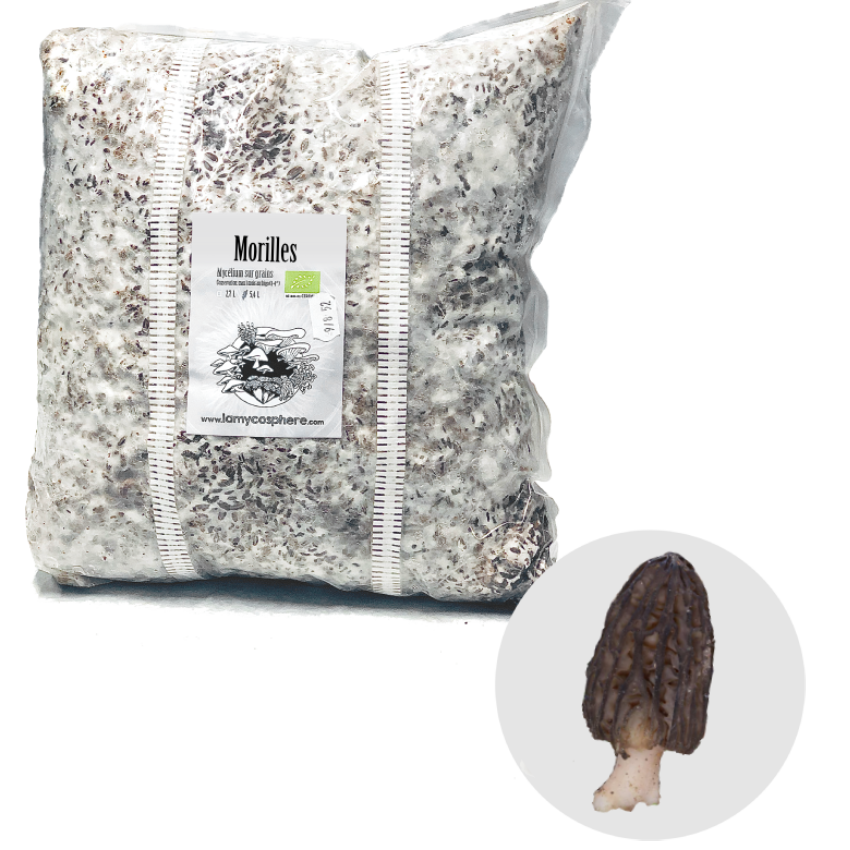
Mycelium on Organic Morel Spores
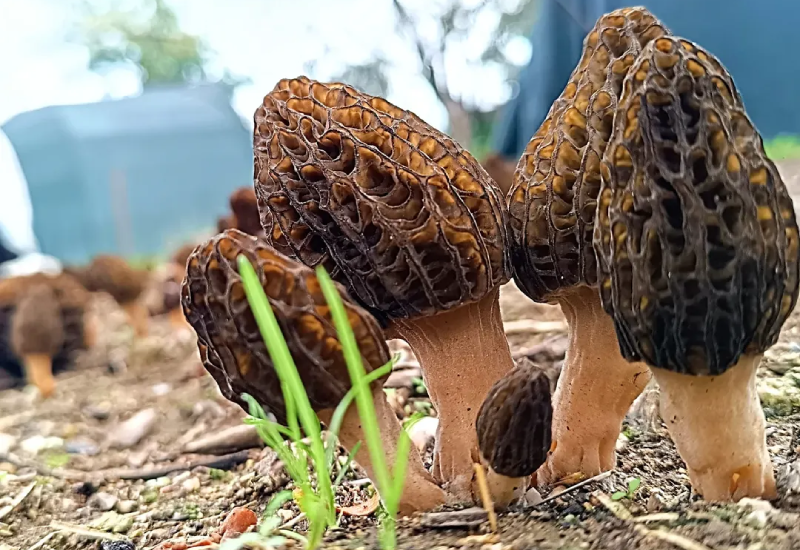
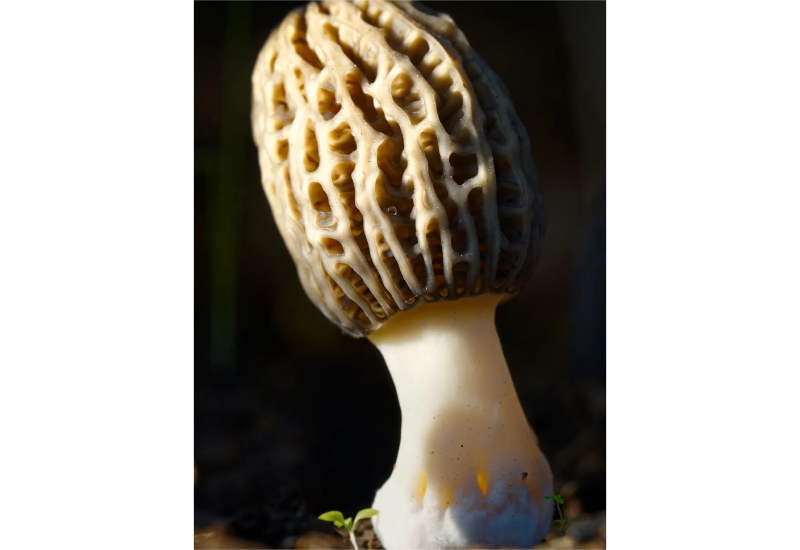
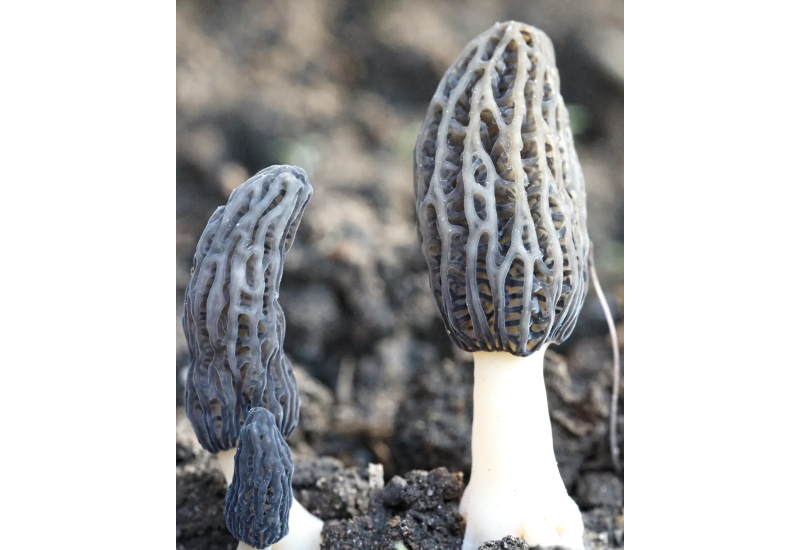
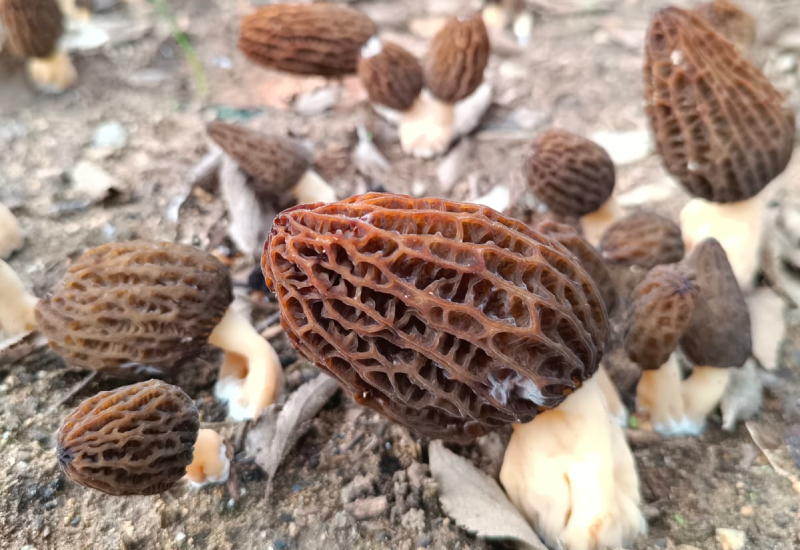
- 🍄 BLACK MOREL: Morchella importuna.
- 🌱 EXPERIMENTAL OUTDOOR CULTIVATION: garden, shaded greenhouse, or forest floor. Recommended planting from October through December.
- 🧺 RECOMMENDED NUTRITION POUCHES: See the pouches.
- 🌍 LOCALLY PRODUCED AND ORGANIC: produced in a laboratory, certified BE-BIO-01 by Certisys.


Black morel – Morchella importuna
The black morel, Morchella importuna, is a gourmet mushroom highly prized for its delicate flavor, unique texture, and intense aroma.
Black morels grow naturally in the spring, often in cool, limestone-rich environments with high levels of organic matter. When cultivated, they require a suitable habitat, adequate moisture, alkaline soil, and careful management of each stage of development.
🍄 Two selections of black morels
We offer two strains of Morchella importuna, selected for their complementary growth characteristics. Both are cultivated using the same protocol and are intended for use with our morel cultivation bags.
Are you just starting out or still on the fence? Choose the Productive selection, our most versatile strain .
🌿 Productive & Versatile "P01"
Our recommended choice for most situations.
- Very good production potential
- Adapts to a variety of growing conditions
- Particularly suitable for a first crop
- fruiting usually a little later
- Dark morels, generally small to medium in size
Choose this if: you're primarily looking for a versatile, high- strain s with good performance potential.
🌱 Early-maturing & hardy "C01"
An interesting selection to diversify or extend the " harvest" period.
- fruiting generally earlier
- strain easy and versatile
- Good tolerance to temporary periods of moisture
- Suitable for various seeding methods
- Morels that are generally fleshy
Choose this option if: you want to prioritize earlier strain , or if your plot is regularly damp.
💡 To maximize diversity: You can also grow the two varieties in separate rows. Since they mature at different times, this allows you to spread out the fruiting period and compare how they perform in your field.
Maturity and yield are still strongly influenced by climate, soil, moisture, and cultivation practices. These characteristics reflect the agronomic traits of the varieties and do not constitute a guarantee of harvest.
Important note: We primarily recommend growing outdoors. Success depends on many factors: soil quality, pH, organic matter, moisture, weather, soil bacteria, pest control, and crop monitoring.
We guarantee the quality of the strain, but we cannot guarantee a successful grow.
❄️ Storing the mycelium: If you do not plan to use the mycelium within 3 to 5 days of receiving it, store it in the refrigerator.
It can generally be stored in the refrigerator for 1 to 2 months before use.
In summary
| Size of the mycelium bag | Area sown | Required nutrient bags | harvest |
|---|---|---|---|
| 1.5 kg | About 5 square meters | 5 nutrient-rich bags | About 3 to 7.5 kg under ideal conditions |
| 3 kg | About 10 square meters | 10 nutrient-rich bags | Up to about 15 kg under ideal conditions |
These yields are approximate and depend heavily on soil conditions, weather, humidity, the quality of the habitat, and crop management.
Our Commitment to Quality

We produce our mycelium under laboratory conditions to ensure varietal purity and optimal quality.
Our mycelia are organically produced and certified BE-BIO-01, Agriculture Belgique by Certisys.

🌱 Growing conditions
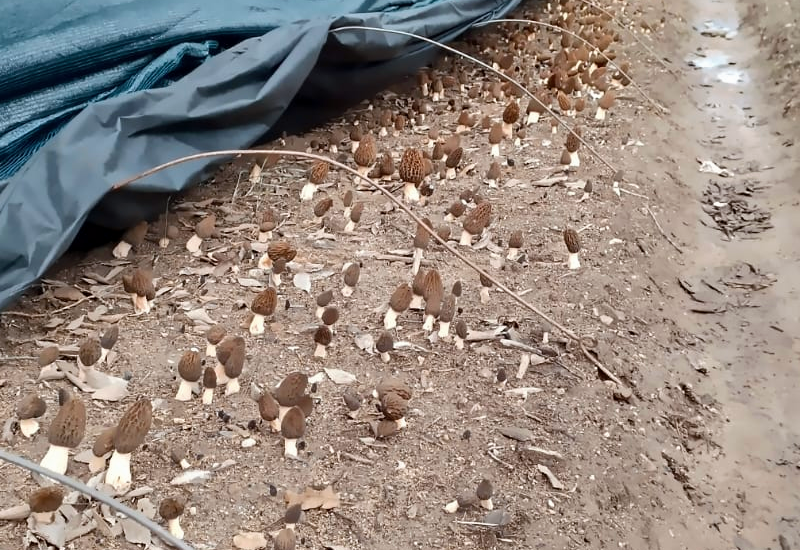
Morels are typically grown outdoors: in a vegetable garden under a shade cloth, in a shaded greenhouse, or in the woods.
Seeds are generally sown in late fall and early winter, between October and December. Ideally, soil temperatures should not exceed 18–20°C.
In some regions with little risk of frost, late planting is possible until the end of December. In colder regions, it is best to plant in the spring after the last frosts have passed.

🌳 The ideal habitat
The goal is to recreate the natural conditions that are ideal for morels: a cool, shaded, limestone-rich environment with alkaline soil and plenty of partially decomposed organic matter.
In most cases, a tunnel-shaped shelter with a shade cloth is helpful. The mycelium needs shade to grow properly and does not tolerate direct sunlight well. Think of an environment like a forest floor or the edge of a forest.
Avoid soil that has been treated with fungicides such as copper, acidic soil, or soil rich in tannins. Morels thrive in calcareous soil, with an ideal pH of around 7 to 8.
It may be necessary to amend the soil with calcium carbonate, Meudon white, or limestone. Avoid lime that is high in magnesium, as it is generally less suitable for mushroom cultivation.
Morel mycelium thrives in soil rich in pre-decomposed organic matter. Wood chips can be left to compost for a year, then worked into the top 5 centimeters of soil. Manure must be very well-rotted, ideally 2 to 3 years old.
The mycelium can withstand light frosts. In the event of prolonged freezing temperatures below -5°C, provide additional protection for the crop using a thicker cover or a tarp.

🔧 Growing method
1. Inoculation / Seeding
The soil must be thoroughly moist before planting, either after a rain or after watering.
There are two possible methods:
- Spread the mycelium evenly over the area at a rate of 200 to 300 g per square meter, then cover it or bury it under 2 to 4 cm of soil.
- Plant the mycelium in small mounds of 100 to 200 g each, covered with 2 to 4 cm of soil, at a rate of 2 to 3 mounds per square meter.
Some growers place the mycelium in terracotta pots with the opening facing upward. This method is more labor-intensive, but it can protect the mycelium from rodents and help prevent certain types of contamination.
2. The explosion of the mycelium
The mycelium spreads out from the grains to explore its surroundings. It may appear on the soil surface in the form of circles or white patches, sometimes called "blazes."
Depending on the habitat and temperatures, this phase can take about 1 to 3 weeks.

3. Feeding
The morel first feeds on the organic matter present in the soil. Next, the mycelium must be fed with an external nutrient source, placed directly on the soil approximately 2 weeks after sowing.
We recommend our nutrient bags for growing morels; place them with the opening facing the ground.
The nutrient bags are left in place for several weeks without being moved, unless there is contamination, mold, or an insect infestation. They are generally removed about 2 to 3 weeks before fruiting, when temperatures begin to rise.
4. Incubation
The total incubation period is usually between 1.5 and 4 months.
After feeding, the mycelium may turn orange and then brown. It then concentrates its resources in the soil in the form of sclerotia, which may later produce morels.
5. Watering
The soil must be thoroughly moist before inoculation. A few weeks before fruiting, it should be watered regularly to maintain consistent moisture levels.
Avoid strong water jets, which can damage the mycelium on the surface. Opt for gentle watering using perforated hoses or micro-drip systems, preferably in the morning.
In case of heavy rain, protect the crop with a double shade cloth if necessary.
6. fruiting
Morels begin to grow as soil temperatures rise. At this stage, the mycelium needs more light, while remaining protected from direct sunlight, wind, heavy rain, and frost.
The primordia are very delicate. Maintain a constant level of humidity, but avoid getting the young morels wet directly.
Ideally, watering should be done by capillary action: water around the growing area or on the paths, rather than directly on the mushrooms.

7. The harvest
Harvesting generally takes place between February and May, when temperatures rise and the soil warms up.
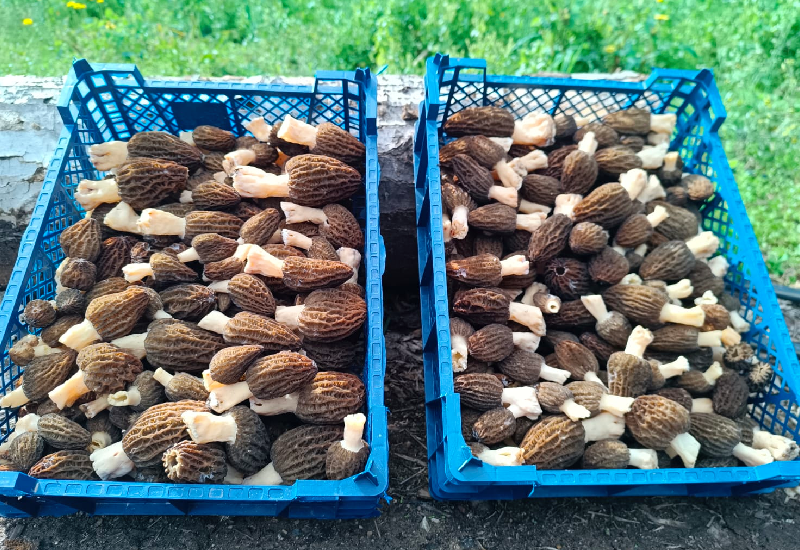
Keep the soil moist throughout the growing season. Morels are usually harvested when they are about 10 cm long.
For better preservation and a more concentrated flavor, avoid harvesting immediately after heavy rain.
🛡️ Pest control
Morel cultivation can be threatened by insects, slugs, mold, birds, and rodents.
Installing a shade sail, a protective tarp, and possibly nets helps create a more controlled environment and minimize risks.
Bacillus thuringiensis can be used as part of a biological control strategy against certain larvae and insects, provided the manufacturer’s instructions are followed.
Ferric phosphate is commonly used to control slugs and is permitted in organic farming. However, we recommend using it with caution, only when the first slug larvae appear. The granules can attract slugs, but they can also promote the growth of certain molds in the area if humidity levels remain too high.
Point to watch out for: Dactylium and other molds thrive in conditions of constant humidity, poor evaporation, and poor air circulation. It is therefore important to adjust the shelters to strike the right balance between humidity, protection, and ventilation.
📈 Productivity
Productivity depends heavily on several factors:
- Soil quality and its organic matter content,
- The presence of favorable microbiology,
- Weather and soil temperature,
- Moisture management,
- Crop maintenance and the farmer's experience.
With proper cultivation, you can expect to harvest between 500 g and 1.5 kg of fresh morels per square meter.
⚠️ Dietary Precautions
Morels must always be cooked. They are poisonous when raw or undercooked.
Allow about 10 minutes for cooking in a skillet or saucepan.
If this is your first time eating this type of fish, start with a small amount to see how you tolerate it, even after cooking.
FAQ – Morel Mushroom Cultivation
Is it normal for my mycelium to be brown?
Yes. Morel mycelium goes through various stages of development, changing color from white to orange and then brown.
Should I water my plants?
Yes, at certain key times. The soil must be thoroughly moist before inoculation. In the spring, as the soil warms up, it is often necessary to water it to maintain consistent moisture levels.
Does it grow back every year?
Generally not. This morel is primarily saprophytic: it breaks down organic matter and does not form long-lasting mycorrhizal associations with surrounding trees. After fruiting, the mycelium is often weakened and does not tolerate summer heat and drought well.
Is it possible to grow morels indoors?
It is possible, but much more complex. Outdoor cultivation is already experimental; indoors, the main challenge lies in controlling the conditions necessary for fruiting.
Do cultivated morels taste the same as wild morels?
Yes, morels grown outdoors can be very flavorful. The taste depends mainly on the quality of the soil, its organic matter content, the weather, and the time of harvest.
Is it compatible with other plants in the vegetable garden?
Yes. The crop is mainly planted from October to December and harvest February to May. The mycelium can feed on organic matter and dead roots in the soil.
I have acidic soil—will this work?
No, or only with great difficulty. Morels prefer alkaline soil. You need to raise the pH above 7 using limestone, calcium carbonate, or a suitable soil amendment.
Customer Reviews
We chose Mycosphère for our mycelium and nutrients for the 25-26 season, and we haven’t regretted it. It’s cheaper than the French competition and the quality is top-notch. We had a good yield in the spring of ’26.
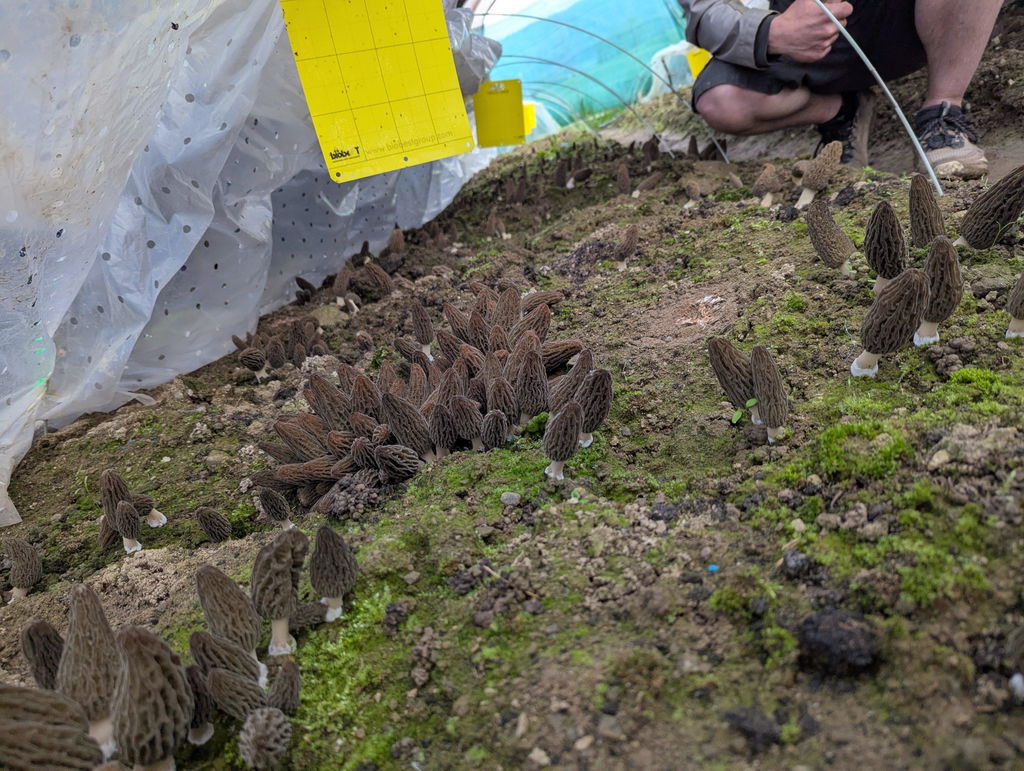
Hello, thank you so much for your enthusiastic feedback and your photo. I look forward to putting this back on the menu this year :)
Hello
This isn’t a review but a question. I have a small forest of chestnut, oak, beech, hornbeam, and fir trees (2,000 m²). Could I consider inoculating this forest with mycelium? I’d need to make the soil a bit more calcareous.
Thank you
Pol
Super Mycelium
Reviews in Other Languages
It really works—high-quality mycelium
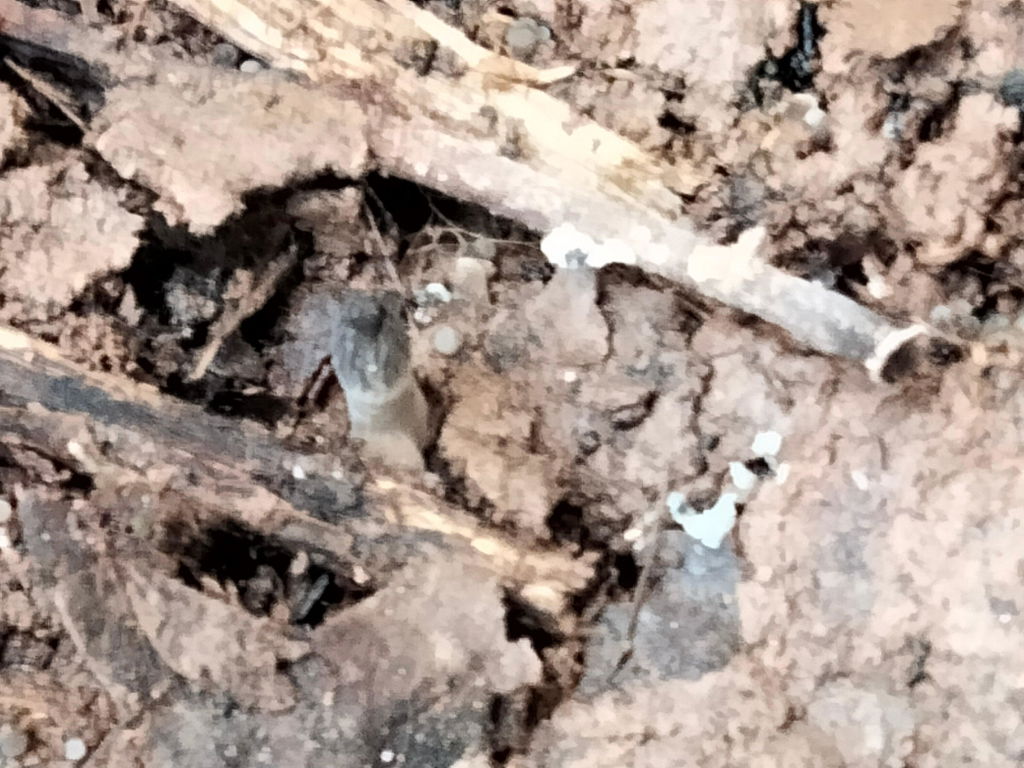
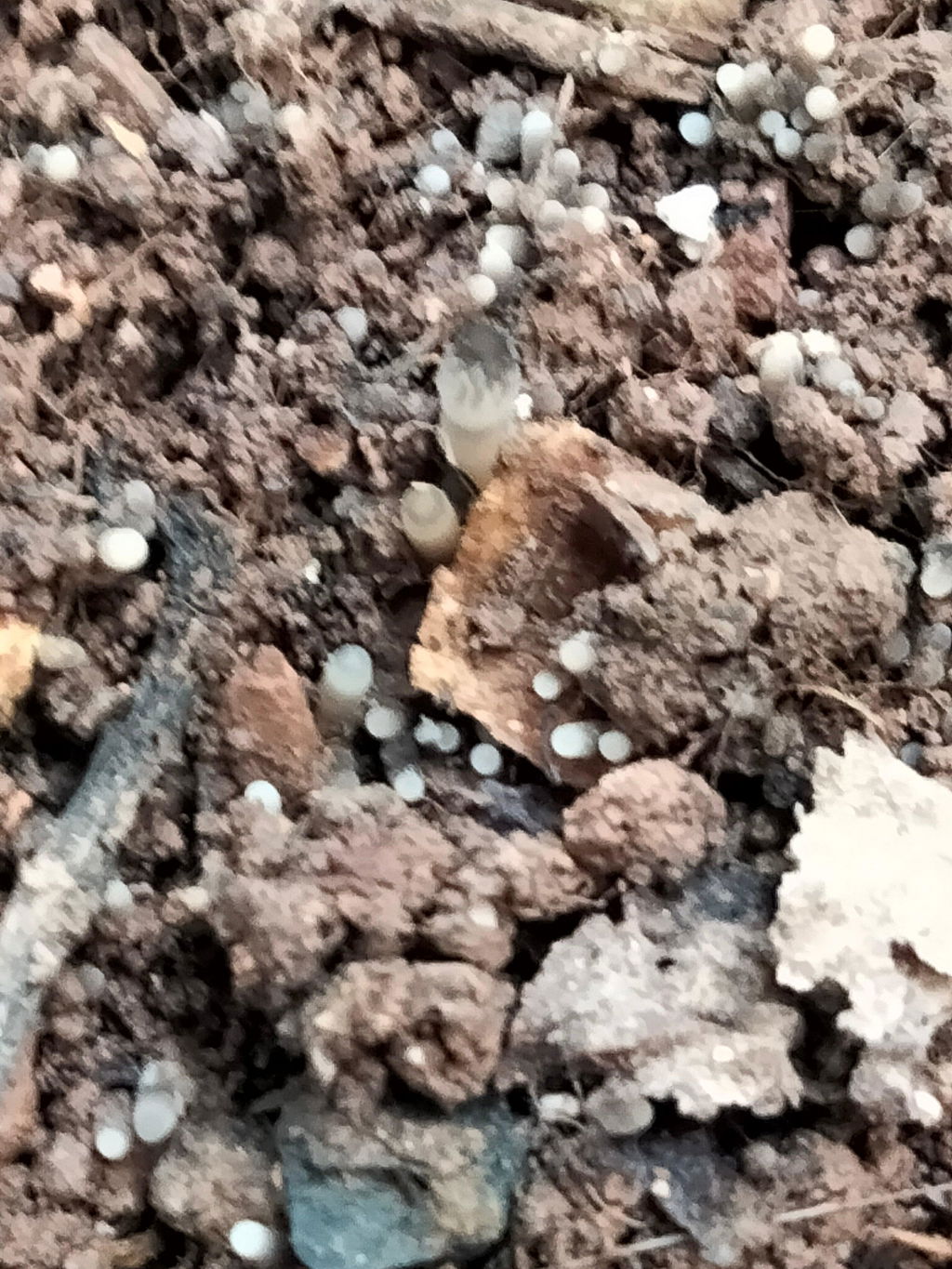
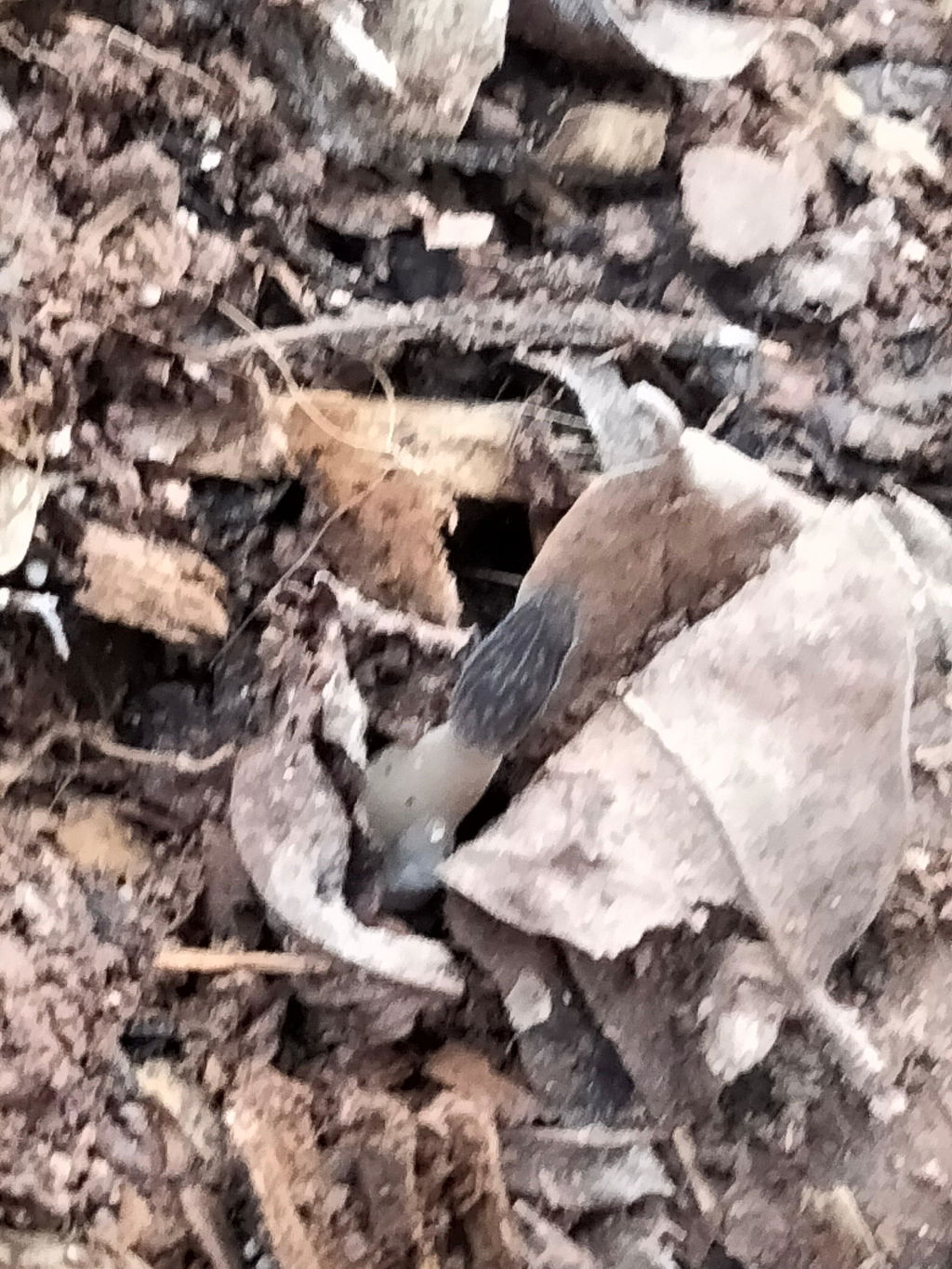
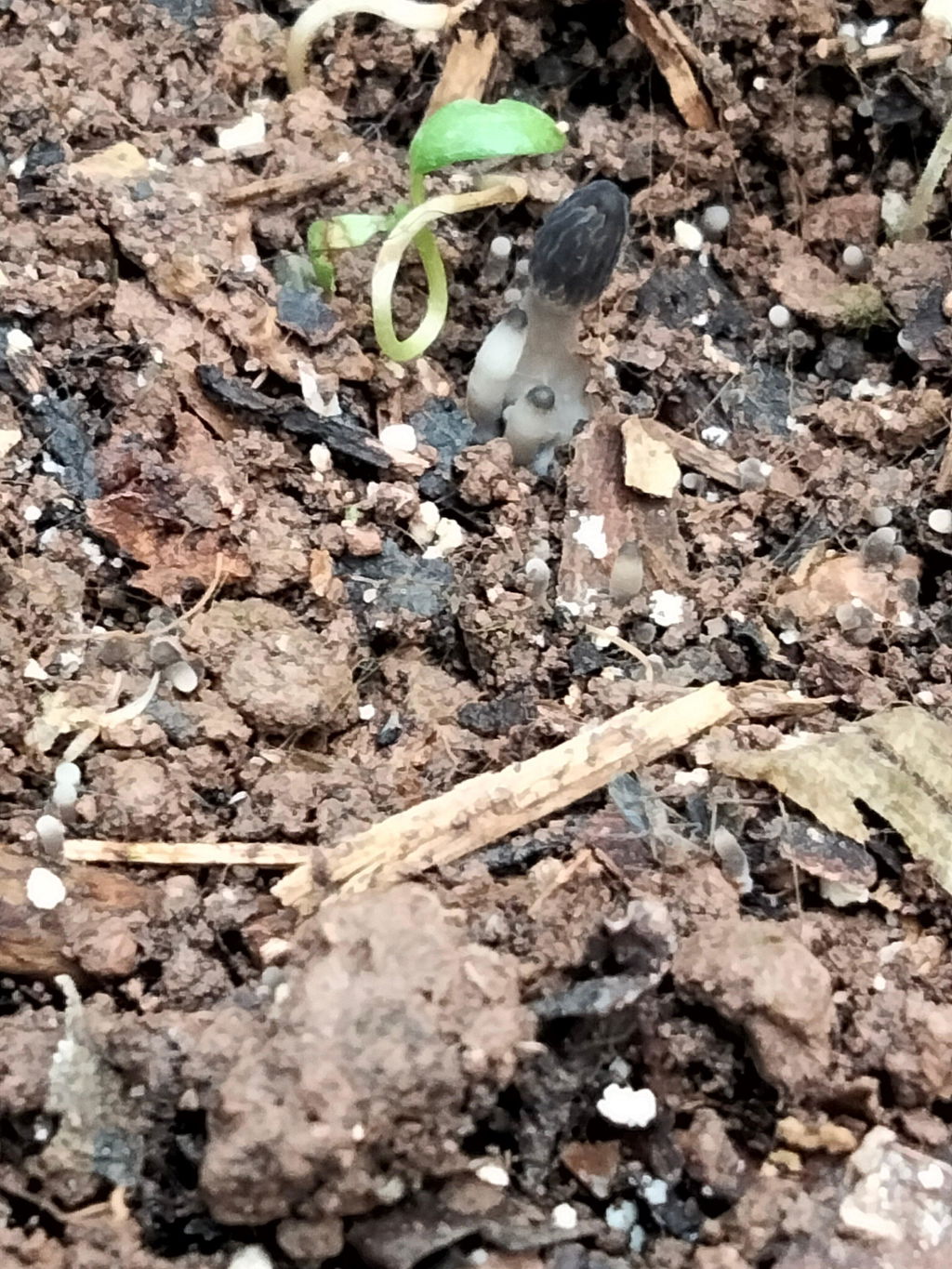
By early February, thousands of abortable buds are already starting to appear; I hope that in a week or two it will be full of fruiting bodies.
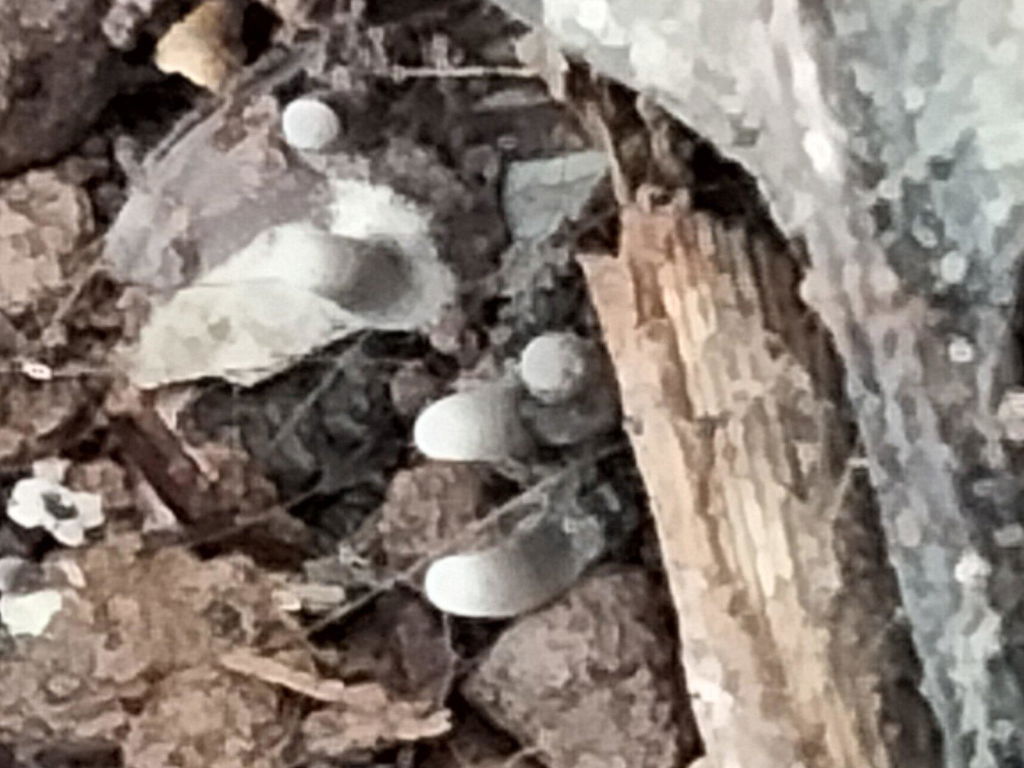
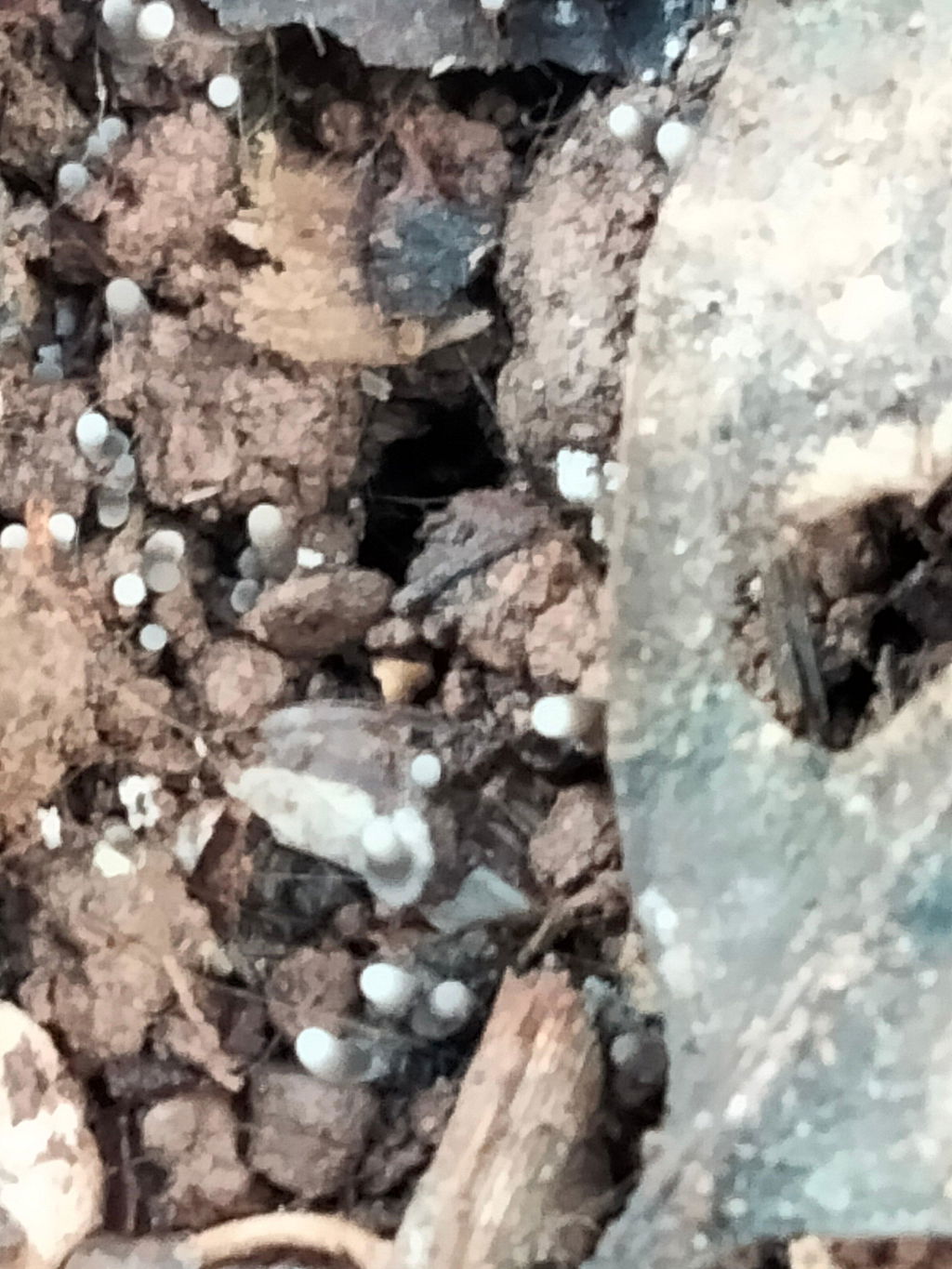
nice

Organic Shiitake - Plug Spawn
€7.80–€59.00
Organic Blue Oyster Mushroom - Plug Spawn
€7.80–€59.00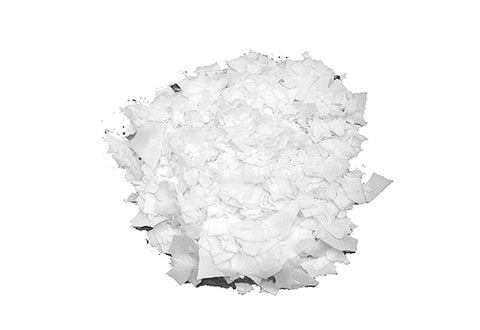
Wax for Log Cultivation
€2.90–€15.90