
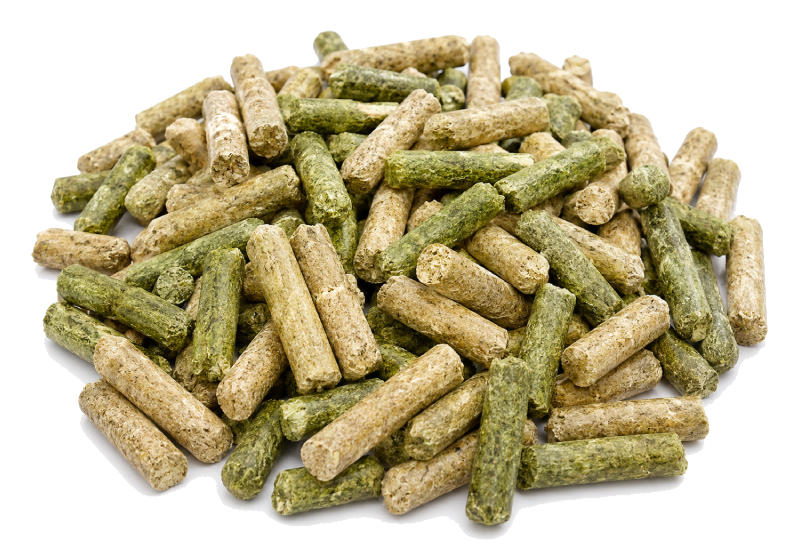
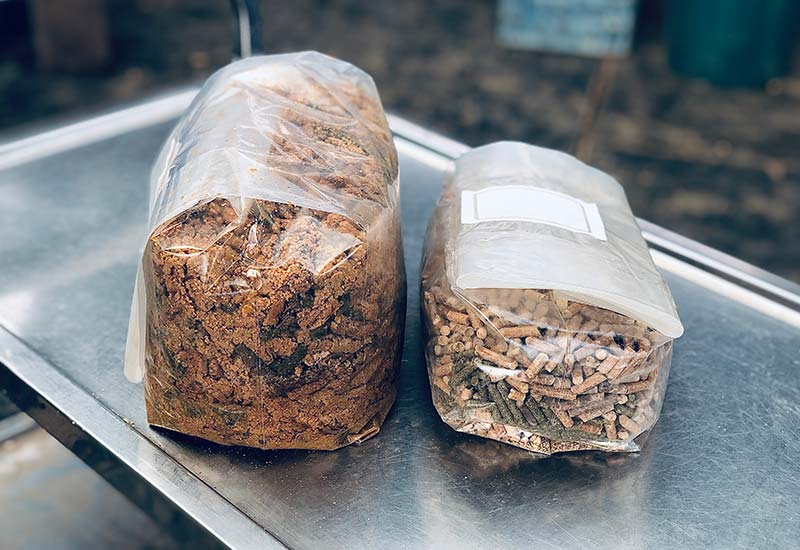
Optimal Substrate - Pellets for growing wood-decaying fungi
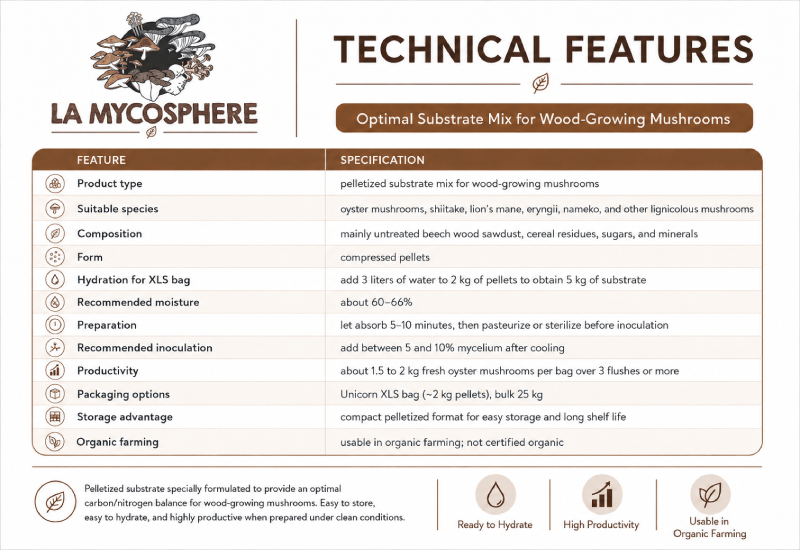
- 🍄 ORGANIC SUBSTRATE FOR WOOD-GROWING MUSHROOMS: Ideal for growing oyster mushrooms, shiitake mushrooms, lion's mane mushrooms, and other wood-growing mushrooms.
- 🌱 HIGH-QUALITY FORMULA: Made from sawdust and grain byproducts sourced from organic farming, providing a nutrient-rich environment for optimal growth.
- 💪 EASY TO USE: Ready to use, this substrate is easy to hydrate and inoculate with your favorite mycelium, offering a convenient solution for both hobbyists and professional growers.
- 📦 CONVENIENT STORAGE: Pelletized for easy storage and handling, allowing for extended shelf life without loss of quality.
Discover our pelletized substrate, specially designed for the production of wood-decaying fungi:
✔️ Suitable for use in organic farming. This growing medium is made from untreated sawdust, as well as organic grains, sugars, and minerals. We are certified by Certisys (BE-BIO-01).
💡 Benefits of pelletization: Pelletizing ingredients ensures optimal standardization of the substrate, removing most contaminants during the compaction process. Additionally, storage requires four times less space, allowing you to save room. Long-term preservation is guaranteed, so you can use the substrate as needed.
🚀 Exceptional productivity: The substrate’s composition has been carefully formulated to provide the mycelium with an optimal carbon-to-nitrogen ratio, as well as a balanced supply of sugars and minerals. Composed mainly of beech sawdust, this substrate is ideal for wood-decaying mushrooms, such as oyster mushrooms, king trumpet mushrooms, nameko mushrooms, lion’s mane mushrooms, and shiitake mushrooms—the latter being particularly demanding in terms of substrate.
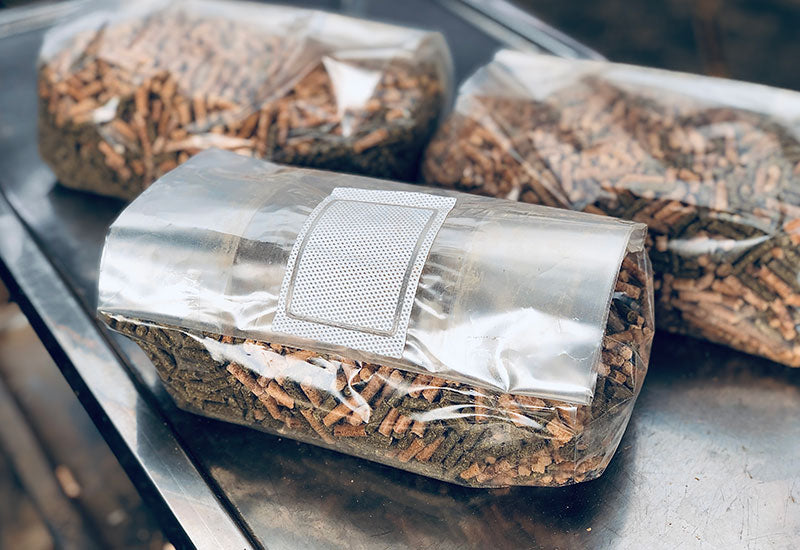
📦 2 packaging options: Unicorn XLS bag , 25 kg bulk.
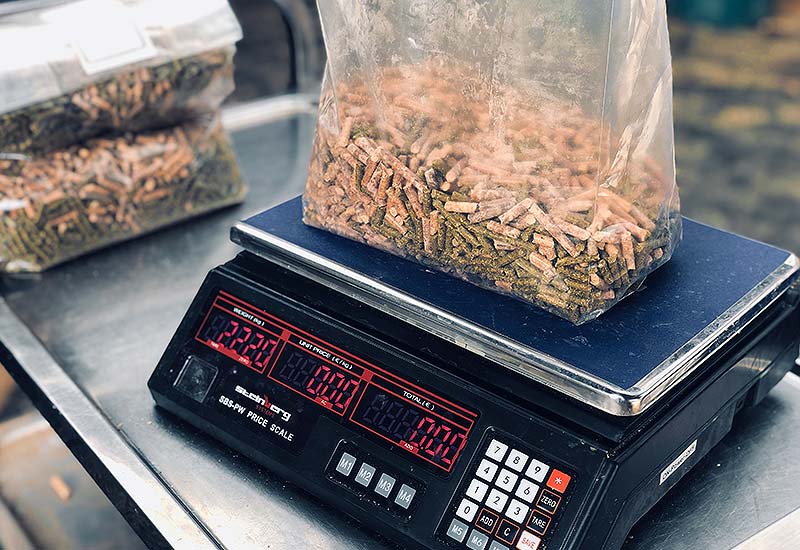
The microfilter bags (Unicorn XLS-A) contain approximately 2 kg of optimal pellets.
🛠️ XLS Bag User Guide
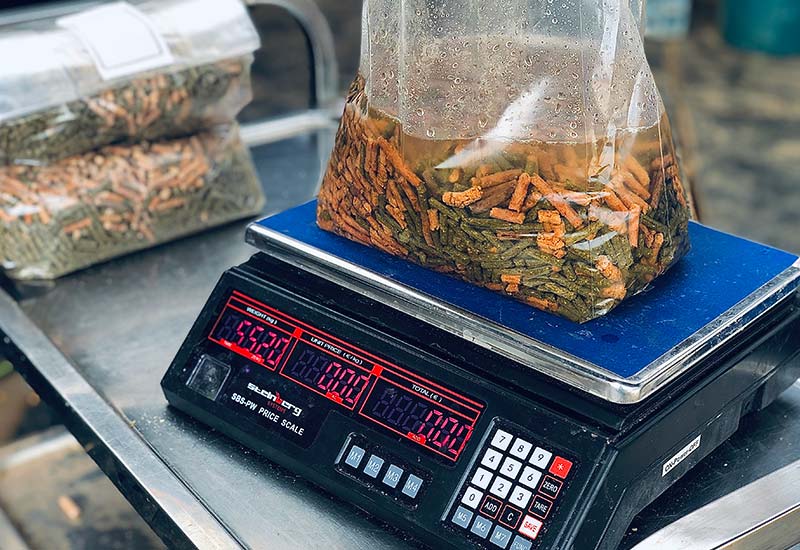
Add 3 liters of water to the bag (which corresponds to a moisture content of 60 to 66% of the total weight of the pellets and water), bringing the total to 5 kg.
Let the pellets absorb the water for 5 to 10 minutes, then pasteurize or sterilize the bag. Inoculate with mycelium and seal the bag, leaving some air above the substrate. Mix to distribute the mycelium evenly.
It is important to use the right amount of water—and above all, do not add too much—otherwise the substrate will become too dense and the mycelium will not be able to breathe at the bottom of the bag. It is better to use slightly less water than too much and aim for a moisture content of around 60%.
For varieties with fast-growing, aggressive mycelium, such as oyster mushrooms, you can pour boiling water (99°C) directly onto the pellets. Place the bags in an insulated box to maintain a high temperature for longer and maximize the pasteurization effect. Once the pellets have cooled, inoculate them with about 10% mycelium.
It takes about 3 substrates for a 1.5-kg bag of mycelium.
harvest potential harvest 1.5 to 2 kg of fresh oyster mushrooms per bag over 3 harvests, or even more.
25 kg bulk
With a 25-kg bag of optimal substrate, you can produce approximately 65–70 kg of moist substrate, requiring about 2bags of 3-kggrain-based mycelium.
Transfer the desired amount of pellets into themicrofilter growing bags of your choice.
📌 Note
The bagging process may result in slight variations in bag weight. We recommend a moisture content of 60% for the substrate (i.e., 600 g of water per 400 g of dry matter to obtain 1 kg of moist substrate).
This substrate contains higher levels of sugars and nitrogen than sawdust alone, making it more productive but also more susceptible to contamination. We therefore recommend working under the cleanest conditions possible, ideally in a sterile environment.
The Master Mix ❓
In the mushroom-growing community, people often talk about the Master Mix.
🔍 What exactly is it?
The Master Mix is a recipe popularized by a mushroom grower in the United States known as T.R. Davis. This mixture consists of 50% hardwood sawdust and 50% soybean hulls. This substrate is known for its very high productivity, particularly during the first flush. It is suitable for most wood-decaying mushrooms, especially oyster mushrooms.
🔧 Is Master Mix the optimal substrate?
We analyzed the composition of the Master Mix in terms of nitrogen, sugar, and mineral content, and developed a new recipe using local ingredients.
In fact, soybean production in Europe is limited, and importing it from far away is not a sustainable solution. Mushroom cultivation allows us to make the most of local resources. We therefore use other byproducts from local grain farming, which provide the nutrients needed to ensure our mushrooms receive optimal nutrition.
Our formula is based on beech sawdust, enriched with organic grains, sugars, and minerals, all in pellet form. The result? An optimal growing medium!
We have also ensured that this substrate is suitable for all wood-decaying fungi, including shiitake, which is more demanding. After extensive testing, we have achieved a yield that exceeds that of most substrates available on the market.

Organic Rye Grains
€3.50–€32.50
Organic Straw Pellets
€7.50–€20.90
Gypsum - Calcium Sulfate Dihydrate
€3.00–€39.00