
White Oyster Mushroom - Plug Spawn
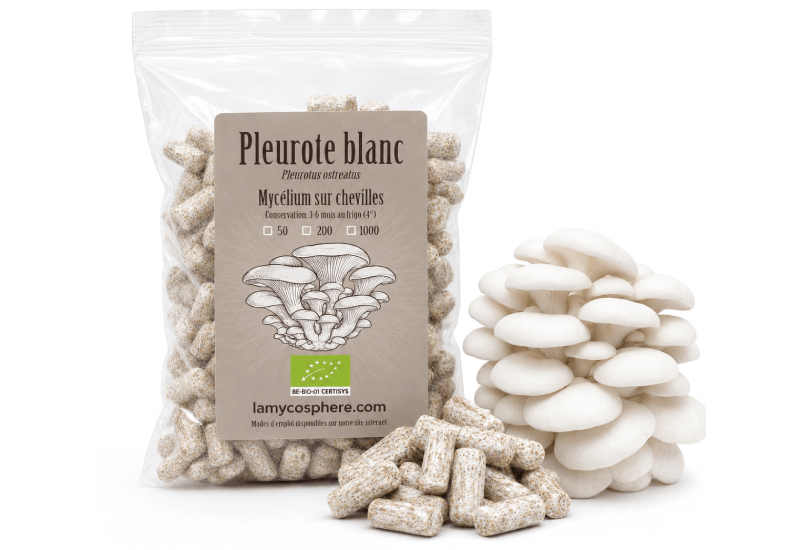
- 🍄 Plug Spawn - WHITE OYSTER MUSHROOMS : Pleurotus ostreatus, ideal for cultivation on hardwood logs harvested within the last 3 months.
- 🌱 EASY GROWING: Simplified planting with dowels—all you need is a drill and a suitable wood drill bit.
- 📏 PRACTICAL INFORMATION: 50 dowels per log (100 cm x 20 cm). Storage of dowels before use: approximately 3 months in the refrigerator.
- 🍽️ NUTRITIONAL VALUE: Oyster mushrooms are rich in protein, vitamins, and minerals, making them perfect for a healthy diet.
- 🌍 ORGANIC PRODUCTION: Certified "BE-BIO-01," grown without pesticides or GMOs, environmentally friendly.
Recommended equipment for log-shaped cakes
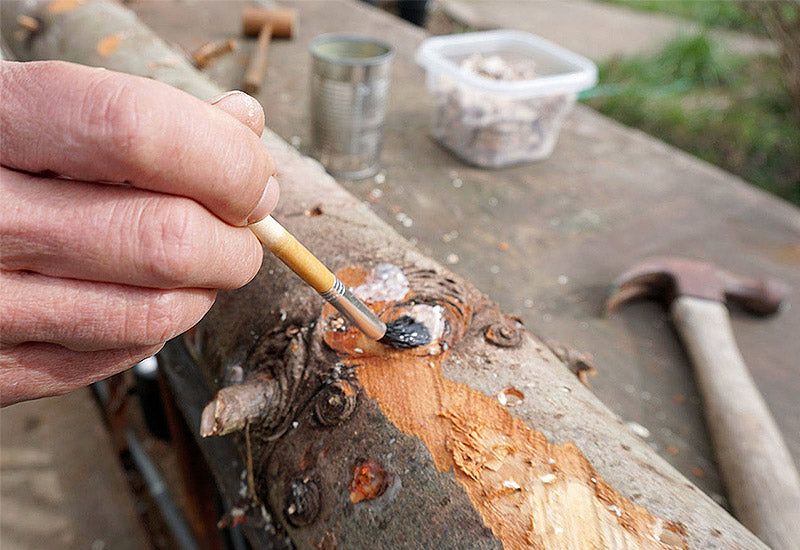
To inoculate logs, make sure you have the necessary equipment to drill holes, insert the plugs, and protect the inoculation sites.


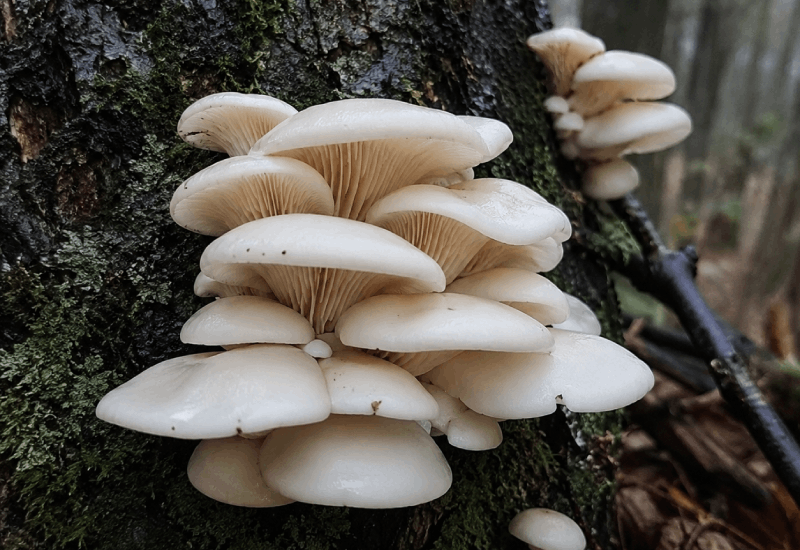
Pleurotus ostreatus, also known as the white oyster mushroom or sometimes the elm oyster mushroom, is a wood-decaying mushroom prized for its relatively simple cultivation, vigorous growth, and bountiful harvests on hardwood logs.
This variety produces beautiful clusters of light-colored oyster mushrooms with tender, flavorful flesh. It is particularly well-suited for growing on logs outdoors, in a shaded, cool, and moist location.
Why grow white oyster mushrooms on logs?
- Accessible Cultivation: A good variety for getting started with growing mushrooms on wood.
- Good productivity: well-colonized logs can produce for several years.
- A versatile mushroom: excellent sautéed, in sauces, in soups, in a wok, or in risotto.
- Outdoor cultivation: suitable for gardens, woodlands, shaded areas, or wetlands.
- Wood Utilization: Allows for the use of freshly cut hardwood logs.
Growing specifications
- Latin name: Pleurotus ostreatus.
- Common names: white oyster mushroom, elm oyster mushroom.
- Material: hardwood logs or billets.
- Level: easy to intermediate.
- Incubation: generally 6 to 12 months, depending on the tree species, the diameter of the logs, and weather conditions.
- fruiting mainly during cool, damp periods, often in the spring and fall.
- Production lifespan: A properly installed log can produce for 3 to 5 years.
Recommended wood species
White oyster mushrooms can be grown on many types of hardwood. It is best to use freshly cut, healthy, and untreated logs.
- Highly suitable: beech, poplar, willow, hornbeam, maple, birch.
- Possible options: oak, ash, linden, alder, untreated fruit trees.
- Avoid: softwood, treated wood, wood that is very dry, or wood that is already severely deteriorated.
How do you inoculate your logs?
For more information, we recommend reading our guide: Growing on logs.
How do you inoculate logs with plug spawn ?
Required Equipment
- Hardwood logs that have been recently cut, ideally within the last 3 months. Recommended diameter: 10 to 25 cm. Length: 50 to 150 cm.
- Mycelium on white oyster mushroom logs.
- Drill with an 8- to 9-mm drill bit.
- Hammer for driving in anchors.
- Vegetable wax, beeswax, paraffin, or green clay to seal the holes.
Number of anchors to be provided
For a log about 1 meter long, multiply the log’s diameter by 2.5.
Example: A log with a diameter of 20 cm requires about 50 dowels.
Instructions
- Wash your hands before handling the mycelium.
- Drill holes in the log. They should be slightly deeper than the height of the dowels.
- Space the holes about 10 cm apart, in a staggered pattern across the entire surface of the log.
- Insert the dowels into the holes using a hammer. They should not protrude from the surface of the wood.
- Cover the holes with wax to protect the mycelium from drying out, insects, and contamination.


Incubation and Implementation
- Place the logs in the shade, in a cool, moist spot sheltered from the wind.
- Avoid direct contact with the ground during incubation to minimize contamination and insect infestations.
- You can place them on a pallet, two logs, or some stones.
- During dry spells, water the logs occasionally to prevent them from drying out.
- After about 6 to 12 months of incubation, the logs can be buried horizontally side by side, leaving about one-third of each log exposed to the air.
Oyster mushrooms usually appear when the weather turns cool and damp. A log prepared under the right conditions can produce mushrooms for several years.
harvest cooking
Harvest the oyster mushrooms when the caps are fully formed, but before the edges become too flat or dry.
- Texture: tender and slightly firm.
- Flavor: mild, pleasant, with woody notes.
- Uses: stir-fries, sauces, soups, wok dishes, risottos, omelets.
Important Notes
- The best times to inoculate logs are in the fall, winter, and early spring, before the sap begins to rise.
- The main threat to this crop is drought: the logs must maintain a good level of moisture, especially during incubation.
- Our bags are filled by weight: the exact number of dowels may vary slightly.
- We inoculate the logs with a mixture of spores and sawdust. It is normal to find some sawdust mixed in with the logs. This sawdust also contains mycelium and can serve as a supplementary inoculum.
Our Commitment to Quality
 We produce our mycelium in laboratory conditions to ensure the purity of the strains and optimal quality.

Our mycelium is organically produced, and our products are certified BE-BIO-01, Agriculture Belgique by Certisys.

Organic Shiitake - Plug Spawn
€7.80–€59.00
Organic Blue Oyster Mushroom - Plug Spawn
€7.80–€59.00
