Environmental degradation is one of the most pressing challenges of our time. As the impacts of climate change, pollution, and biodiversity loss become increasingly evident, innovative and sustainable solutions are needed to preserve our planet. Paul Stamets, a world-renowned mycologist, suggests that fungi—these mysterious and often overlooked organisms—could play a crucial role in saving our world.
In this article, we will take an in-depth look at the various ways in which fungi can contribute to bioremediation, pesticide reduction, water purification, carbon sequestration, the production of sustainable materials, medicine, and the restoration of natural habitats.
1. Bioremediation: Mushrooms to the Rescue of Polluted Soils
Breakdown of Pollutants
Mushrooms possess powerful enzymes capable of breaking down a wide range of organic and inorganic compounds. Stamets has conducted experiments demonstrating that Pleurotus ostreatus, commonly known as the oyster mushroom, can break down hydrocarbons found in oil spills. This mycoremediation capability not only cleans up contaminated soil but also restores its fertility.
Fungal enzymes break down pollutants into simpler molecules, which are then incorporated into the natural nutrient cycle. In addition to hydrocarbons, fungi can break down pesticides, heavy metals, and even plastics. For example, the fungus Aspergillus tubingensis has demonstrated the ability to break down polyester, a widely used plastic.

Real-World Case Studies
A striking example of successful bioremediation is the decontamination of diesel-contaminated soil at a site in Washington. Stamets inoculated the soil with oyster mushroom mycelium, and within a few weeks, the hydrocarbons had been broken down, leaving behind rich, fertile soil. This type of solution holds particular promise for industrial areas and landfill sites.
Another example comes from Ecuador, where fungi have been used to treat soil contaminated by oil drilling. The results showed a significant reduction in pollution levels, demonstrating the potential of fungi to address environmental crises even under challenging conditions.
2. Natural Pesticides: Biological Control Using Fungi
Entomopathogenic Fungi
Entomopathogenic fungi are fungi that parasitize insects. Stamets discovered that these fungi can serve as natural pesticides, offering an environmentally friendly alternative to chemical pesticides. For example, Metarhizium anisopliae and Beauveria bassiana are capable of infecting and killing insect pests without harming other animal species or humans.

Environmental Benefits
The use of entomopathogenic fungi can significantly reduce reliance on chemical pesticides, which are often harmful to the environment and can contaminate soil and water. Furthermore, these fungi can specifically target pest insects, thereby reducing risks to pollinators and other beneficial insects.
Entomopathogenic fungi can also be used in integrated pest management (IPM), a strategy that combines various techniques to control populations of harmful insects in a sustainable manner. This approach reduces pesticide residues in crops and food products, thereby improving food safety.
Case Studies and Recent Developments
Studies have shown that the application of entomopathogenic fungi can be particularly effective in corn and cotton crops, where insect pests pose serious problems. For example, field trials in East Africa have demonstrated that Metarhizium anisopliae can reduce populations of desert locusts, a major scourge for farmers in the region.
3. Water Purification: Mushrooms as Natural Filtration Systems
Mycelial Filtration
Mycelium filtration systems use fungal mycelium to purify water. Mycelium is capable of trapping pathogenic bacteria, heavy metals, and other contaminants, thereby making the water safe to drink. This technology can be used in wastewater treatment systems and to purify water in rural areas and developing countries.

Practical Applications
A notable project was carried out in the San Francisco Bay Area, where logs of mycelium were placed in waterways to filter out agricultural pollutants. The results showed a significant reduction in levels of fecal coliforms and other contaminants, demonstrating the effectiveness of this approach.
In Africa, pilot projects have used mycelium filters to treat water in villages, thereby reducing waterborne diseases. These initiatives demonstrate how mycelium technology can be adapted to different contexts to improve water quality and public health.
Future Developments
Research continues to advance in order to optimize the effectiveness of mycelial filters. Studies are exploring the use of different types of fungi and substrates to improve the filtration capacity and sustainability of these systems. In addition, hybrid technologies that combine mycelial filters with other water treatment methods are being developed to provide even more robust solutions.
4. Carbon Sequestration: Mushrooms in the Fight Against Climate Change
Carbon Cycle
Fungi play a crucial role in the carbon cycle by breaking down dead organic matter and releasing nutrients into the soil. This process contributes to carbon sequestration by storing carbon in the soil in the form of fungal biomass and stable organic matter.
Mycorrhizal fungi, which form symbiotic relationships with plant roots, are particularly effective at increasing carbon sequestration. These fungi improve soil structure and enhance its ability to store carbon, while providing essential nutrients to plants.

Reduction of CO2 Emissions
By increasing fungal biodiversity in the soil, it may be possible to increase the amount of carbon sequestered. Stamets suggests that inoculating agricultural soils with mycorrhizal fungi could not only improve plant health but also capture more carbon, thereby helping to mitigate the effects of climate change.
Studies have shown that soils rich in mycorrhizal fungi can sequester up to 70% more carbon than soils lacking this symbiotic relationship. This opens up promising prospects for sustainable agricultural practices and land management.
Carbon Sequestration Projects
Pilot projects in agricultural regions of the U.S. Midwest have tested the inoculation of soils with mycorrhizal fungi. Preliminary results show an increase in plant biomass and an improvement in soil quality, suggesting that this approach could be scaled up to contribute to carbon sequestration.
5. Production of Sustainable Materials: Mycological Innovations for Construction
Eco-Friendly Building Materials
Mushrooms can be used to create sustainable building materials. Mycelium can be cultivated to produce bricks, insulation, and other materials that are not only biodegradable but also have insulating and durable properties.
Research on mycelium-based materials shows that they can be as strong as certain plastics or even concrete. In addition, these materials are fire-resistant and water-resistant, making them ideal for use in a variety of construction applications.
Environmental Benefits
Mycelium-based materials have a much smaller carbon footprint than traditional building materials such as concrete and brick. In addition, they are fully compostable at the end of their life cycle, thereby reducing construction waste.
By replacing petroleum-based materials with mycelium-based materials, we can reduce our reliance on fossil fuels and lower greenhouse gas emissions. Furthermore, the production of mycelium-based materials requires less energy and fewer resources than traditional materials, making it a more sustainable solution.

Examples of Use
Companies like Ecovative Design use mycelium to produce packaging, insulation panels, and even furniture. These innovations demonstrate the potential of mycelium to replace petroleum-based materials and contribute to a circular economy.
Other companies are exploring the use of mycelium in the construction of eco-friendly homes. For example, MycoWorks is developing mycelium-based building panels and insulation, demonstrating that these materials can be used to create sustainable and environmentally friendly structures.
6. Health and Medicine: The Healing Properties of Mushrooms
Disclaimer: "In accordance with European regulations (Regulation (EC) No. 1924/2006), any health claim must be scientifically validated and approved by the competent authorities before it can be used. Although medicinal mushrooms are the subject of extensive research, no specific claims regarding them have been officially recognized in Europe to date. The information presented here is general in nature and is not a substitute for medical advice."
Bioactive Compounds
Mushrooms are a rich source of bioactive compounds with medicinal properties. Species such as the Reishi (Ganoderma lucidum), Chaga (Inonotus obliquus), and Shiitake (Lentinula edodes) have been used for centuries in traditional medicine to strengthen the immune system, fight infections, and improve overall health.
Medicinal mushrooms contain polysaccharides, triterpenes, and other bioactive compounds that may have immunomodulatory, anti-inflammatory, and antioxidant effects. For example, the beta-glucans found in Reishi and Shiitake mushrooms can stimulate the immune system and enhance the immune response against infections and cancers.

Research and Development
Stamets and other researchers are currently exploring the use of mushrooms to develop new drugs. For example, studies have shown that certain polysaccharides and triterpenes found in mushrooms have anticancer and immunomodulatory properties. In addition, mushrooms may offer solutions for antibiotic-resistant diseases thanks to their unique antimicrobial compounds.
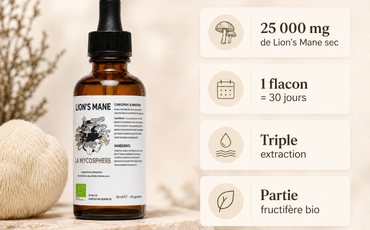
Current research includes the study of mushrooms for the development of treatments for neurodegenerative diseases such as Alzheimer's and Parkinson's. Neuroprotective compounds found in mushrooms such as Lion's Mane (Hericium erinaceus) show promising results in improving cognition and regenerating nerve cells.
Psychedelic Mushrooms
Mushrooms containing psilocybin, such as Psilocybe cubensis, are also being studied for their potential effects on mental health. Recent research suggests that psilocybin may be effective in treating depression, anxiety, and post-traumatic stress disorder (PTSD), opening up new possibilities for psychiatric therapies.
Clinical trials have shown that psilocybin can induce altered states of consciousness that facilitate therapy and help patients address deep emotional trauma. These advances could revolutionize the treatment of mental disorders and open up new avenues for psychiatric research.
7. Restoring Natural Habitats: Revitalizing Ecosystems with Mushrooms
Mycorestauration
Mycoremediation involves using fungi to restore degraded ecosystems. Fungi play a vital role in ecosystems by recycling nutrients and supporting plant growth. By reintroducing fungi into degraded areas, we can help restore soils, promote biodiversity, and strengthen the resilience of ecosystems.
Mycorrhizal fungi, in particular, play a key role in soil regeneration by forming mycelial networks that improve soil structure and facilitate nutrient uptake by plants. These networks can also help prevent soil erosion and improve water retention.

Restoration Projects
An exemplary project was carried out in a fire-ravaged forest in California. By inoculating the soil with mycorrhizal fungi, researchers were able to accelerate plant regeneration and improve soil structure. This approach could be applied on a large scale to restore forests, grasslands, and other damaged natural habitats.
Similar initiatives have been undertaken in the Amazon, where deforestation has severely degraded the soil. Mycorestoration efforts have shown promising results, with accelerated vegetation regeneration and increased biodiversity.
Challenges and Opportunities
Although mycorestoration offers many benefits, it also presents challenges. Selecting the appropriate fungal species, adapting to local conditions, and managing the complex interactions between fungi and other organisms are crucial to the success of these projects. However, with ongoing research and interdisciplinary collaboration, mycorestoration can become a key method for ecosystem conservation and management.
Conclusion
Mushrooms offer a wide range of potential solutions to the environmental and social challenges of our time. From bioremediation to the production of sustainable materials, as well as health and the restoration of natural habitats, the applications of mushrooms are vast and promising. Through his pioneering work, Paul Stamets has paved the way for a new understanding of these fascinating organisms and their potential to transform our world in a positive and sustainable way. As we continue to explore and develop these ideas, it is becoming clear that mushrooms could well play a key role in creating a greener and healthier future for everyone.
References
- Paul Stamets (2005). *Mycelium Running: How Mushrooms Can Help Save the World*. Ten Speed Press.
- Paul Stamets (2011). Growing Gourmet and Medicinal Mushrooms. Ten Speed Press.
- Paul Stamets (2016). Fantastic Fungi: How Mushrooms Can Heal, Shift Consciousness, and Save the Planet. Reelhouse.

About the author
He has been working for several years on mycelium cultivation, organic mushrooms, and functional extracts. Through his articles, he shares practical expertise gained from the production, experimentation, and processing of mushrooms.
Discover the Mycosphere