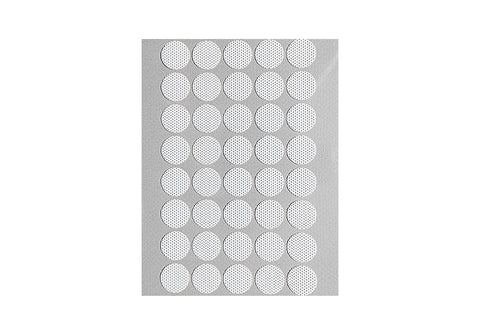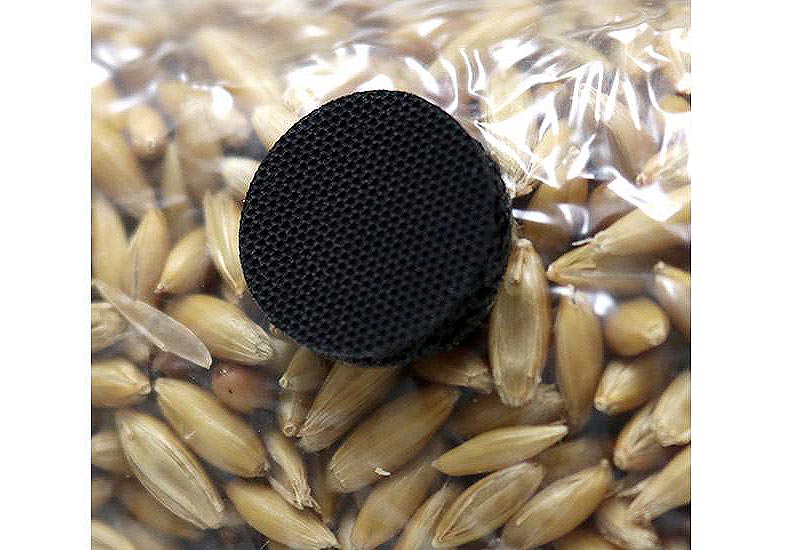
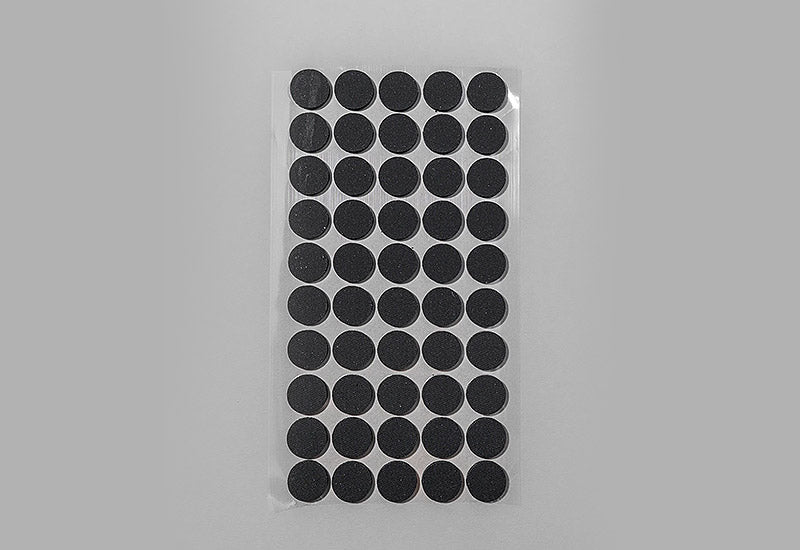
Self-sealing injection port
- Ease of use: The adhesive injection ports allow liquid cultures to be injected without having to open the container, thereby reducing the risk of contamination.
- Hygiene: The self-sealing material of the injection ports closes after the needle passes through, helping to protect the culture medium from contamination.
- Durability: The injection ports are made with a strong 3M adhesive and are waterproof, making them resistant to harsh conditions. In addition, they are fully autoclavable and can withstand temperatures above 121°C.
- Easy to apply: It’s easy to apply the injection ports to jar lids or grow bags. Simply clean the surface where you’ll be attaching the port, peel the port off the backing sheet, and apply it to the bag or jar. Remember to always clean the port with 70% alcohol before inserting a needle into it.
Perfect for injectingliquid cultures with a syringe into a jar or a bag of sterilized grains. This way, you don’t even have to open the container, thereby minimizing the risk of contamination.
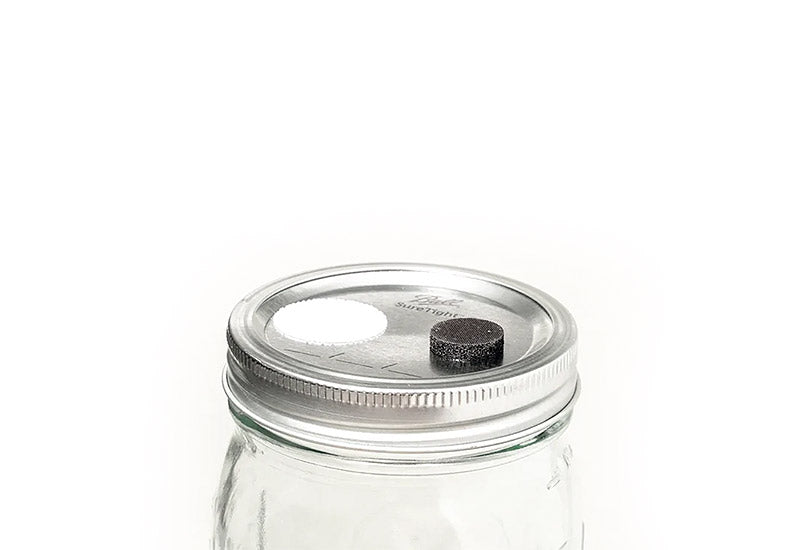
Adhesive injection ports can be applied to jar lids or grow bags, allowing you to inject and collect mycelium from liquid cultures while protecting your medium from contamination (mold, bacteria, yeast).
Features
- Saves time and ensures a cleaner result compared to silicone-based methods
- Self-sealing material. It closes up after the needle passes through.
- Made with strong 3M adhesive
- Waterproof
- Fully autoclavable, it withstands temperatures above 121°C
- Country of origin: U.S.
Usage
With a Unicorn bag:
- Clean the area where you will attach the injection port.
- Peel off the injection port from the sheet and apply it to the bag or jar.
- Note: Always clean the port with 70% alcohol before inserting a needle into it.
Using a jar:
- Drill a hole in the lid using a drill bit that is about 5 mm in diameter. Place an adhesive filter over the hole, pressing firmly along the edges to secure it.
Tips for sterilizing in pressure cookers:
Do not close the lids completely. Leave a small gap to allow steam to escape; otherwise, the injection ports or filters may become detached due to internal pressure. This also prevents the formation of a "vacuum" during cooling, which can damage the filters. Cooling must take place in the cleanest possible environment to prevent contamination. Do not open the pressure cooker until the temperature has dropped to room temperature, and make sure to close the lids tightly at that time. If possible, work in front of a laminar flow hood.
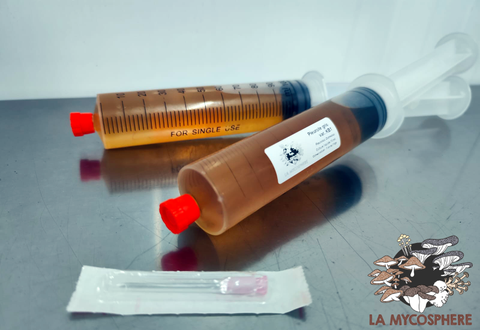
liquid culture syringes
€14.90–€39.50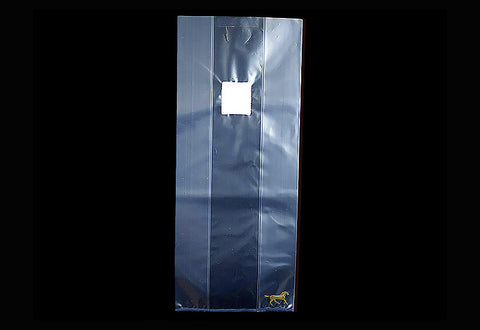
Unicorn Bag 3T
€9.00–€535.00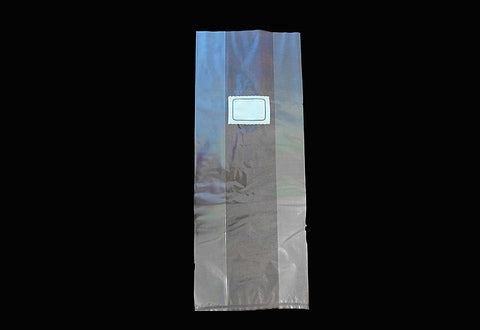
Unicorn XLS Bag
€9.80–€369.85