Organic Nameko Mushroom - Plug Spawn
- 🍄 NAMEKO MUSHROOM PLUG SPAWN: Pholiota microspora (syn. P. nameko), ideal for growing on hardwood logs: beech, birch, oak, poplar, and alder.
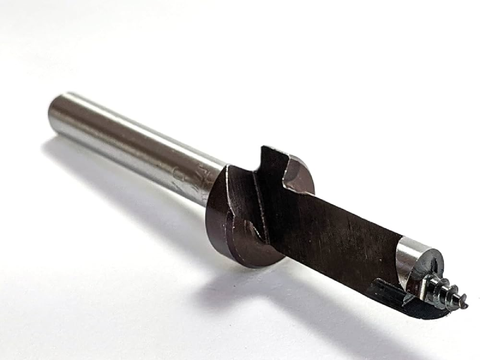
- 🌱 EASY PLANTING: Drill holes, insert the stakes, then seal the holes (wax recommended). All you need is a drill and a suitable wood drill bit.
- 🌳 HOST SPECIES: Nameko mushrooms thrive particularly well on beech and birch, but also grow very well on oak, poplar, and alder.
- 🍽️ FLAVOR & NUTRIENTS: Mild umami flavor with nutty notes; naturally gelatinous cap that gently thickens soups and sauces. A source of fiber and beta-glucans.
- 🌍 ORGANIC PRODUCTION: Certified “BE-BIO-01,” grown without pesticides or GMOs, environmentally friendly.
- 📏 PRACTICAL INFORMATION: ~50 dowels per log measuring 100 cm × 20 cm. Storage: ~3 months in the refrigerator (2–6 °C) before use.
Recommended equipment for log-shaped cakes
To inoculate logs, make sure you have the necessary equipment to drill holes, insert the plugs, and protect the inoculation sites.


Pholiota microspora – Nameko mycelium on wooden dowels
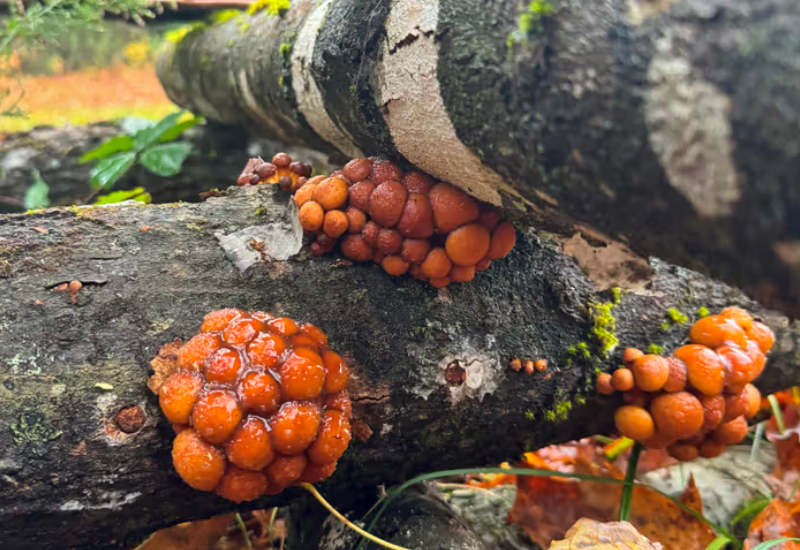
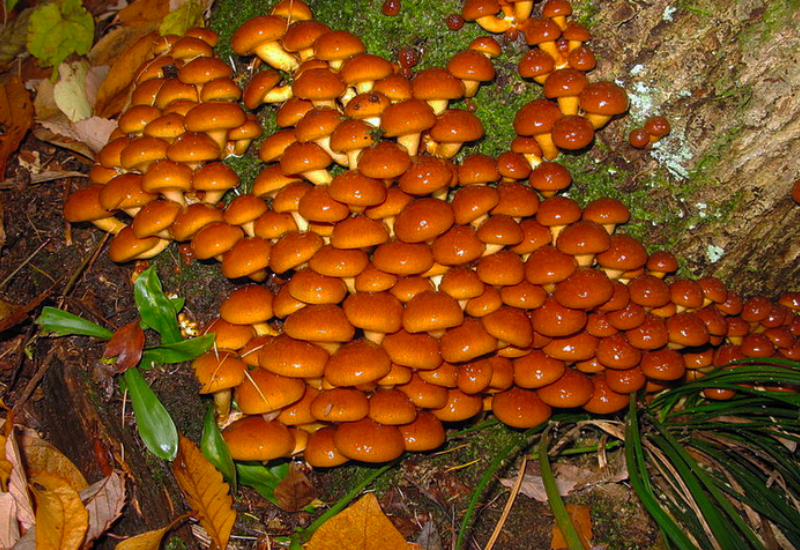
Very popular in Japan but still rare in Europe, the Nameko is a unique cultivated mushroom, prized for its amber clusters, its naturally glossy and gelatinous cap, and its mild, woody, slightly nutty flavor.
When cooked, its gelatinous cap creates a unique texture: it naturally thickens broths, soups, and sauces while retaining a pleasant, slight crunch. An ideal variety for enthusiasts looking for an alternative to the classic shiitake and oyster mushrooms.
Why grow nameko mushrooms?
- Distinctive flavor: woody notes, hazelnut, and a hint of caramel.
- Unique texture: naturally gelatinous cap, perfect for thickening soups and sauces.
- Growth on logs: bears fruit in dense clusters on hardwood logs.
- Rare variety: difficile à trouver fraîche dans le commerce.
- Perfect for Japanese cuisine: miso, donburi, noodles, rice, stir-fries, and broths.
Growing specifications
- Level: intermediate to advanced. More technical than shiitake or oyster mushrooms.
- Fuel: hardwood logs or stumps.
- Location: outdoors, in the shade, in a cool, humid spot.
- Best time to plant: fall, winter, or early spring.
- First harvests: generally after 12 to 18 months, depending on the type of wood, the diameter of the logs, and weather conditions.
- fruiting mainly in the fall, sometimes in the spring, when conditions are cool and damp.
- fruiting temperature fruiting approximately 7 to 18 °C.
- Important note: Nameko mushrooms thrive in consistently humid conditions. Avoid hot, dry, or windy areas.
Recommended wood species
- Particularly suitable: beech, oak, maple, hornbeam, wild cherry, chestnut, poplar, and birch.
- Possible species: alder, ash, elm, mulberry.
- Avoid: conifers and softwoods.
How do I do that?
For more information, we recommend reading our guide: Growing on logs.
How do you inoculate logs with plug spawn ?
Materials needed
- Freshly cut hardwood logs, ideally cut within the last 3 months. Avoid softwood.
- Mycelium on wooden dowels.
- Drill with an 8- to 9-mm drill bit.
- Hammer.
- Vegetable wax, beeswax, paraffin, or green clay to seal the holes.
Number of anchors to be provided
For a log about 1 meter long, multiply the log’s diameter by 2.5.
Example: A log with a diameter of 20 cm requires about 50 dowels.
Instructions
- Store your rolls in the refrigerator until ready to use, ideally for no more than 3 months.
- Wash your hands before touching the mycelium.
- Drill holes in the log. The holes should be slightly deeper than the height of the plug. Space them about 10 cm apart.
- Drive the dowels in with a hammer. They should not protrude from the surface of the wood.

- Cover the holes with wax. The wax protects the mycelium from drying out, insects, and contamination. If you don’t have wax, you can use paraffin, cheese wax, or green clay.

- Place the logs in the shade, in a damp spot sheltered from the wind.
- Avoid direct contact with the ground: a pallet, two logs, or some stones can serve as a base.
- Keep the soil moist by watering the logs occasionally during dry periods.
- Please be patient: the incubation period typically lasts 12 to 18 months before the first harvests.

A properly placed log can produce mushrooms for several years, typically between 3 and 5 years, depending on the type of wood, its diameter, and growing conditions.
Recipe Idea – Nameko Mushroom and Tofu Donburi with Miso
Ingredients for 2 people: 300 g nameko mushrooms, 200 g firm tofu, 1 tbsp miso, 1 tbsp soy sauce, 1 tbsp mirin or white wine, garlic, ginger, hot rice, scallions, and sesame seeds.
- Rinse the Nameko mushrooms briefly without soaking them.
- Brown the diced tofu, then set aside.
- Sauté the nameko mushrooms for 3 to 4 minutes with garlic and ginger.
- Deglaze with soy sauce and mirin.
- Add the miso after removing the pot from the heat to preserve its flavor.
- Serve over hot rice with scallions and sesame seeds.
Tip: Save the cooking liquid from the nameko mushrooms—it naturally thickens the sauce.
Important Notes
- The best times to inoculate logs are in the fall, winter, and early spring, before the sap begins to rise.
- The main threat to this crop is drought: the logs must remain sufficiently moist during incubation.
- During hot or dry weather, cover them with a breathable tarp or water them occasionally.
- Our bags are filled by weight: the exact number of dowels may vary slightly.
- It is normal to find a small amount of sawdust mixed in with the dowels. This sawdust also contains mycelium and can serve as additional inoculum.
Our Commitment to Quality
We produce our mycelium in laboratory conditions to ensure the purity of the strains and optimal quality.
Our mycelium is produced organically and certified by Certisys under the BE-BIO-01 – Agriculture Belgique standard.

Identification and Precautions
As with any wild mushroom, it is important to verify that the mushrooms you have harvested are indeed Nameko.
Cultivated nameko mushrooms: small amber- to orange-colored caps, shiny and gelatinous to the touch, growing in tight clusters on inoculated logs.
Never eat a mushroom if you are unsure. In particular, avoid confusing them with inedible or poisonous wild species, such as certain galerina, hypholoma, or wild oyster mushrooms.
Golden rule: From your inoculated logs, harvest only mushrooms that clearly resemble Nameko: small clusters of amber-colored mushrooms with shiny, gelatinous caps. If in doubt, do not eat them.
For bulk orders, please contact us for a quote: contact@lamycosphere.com

Organic Shiitake - Plug Spawn
€7.80–€59.00
Organic Blue Oyster Mushroom - Plug Spawn
€7.80–€59.00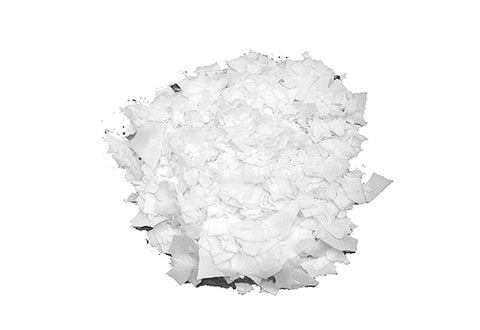
Wax for Log Cultivation
€2.90–€15.90