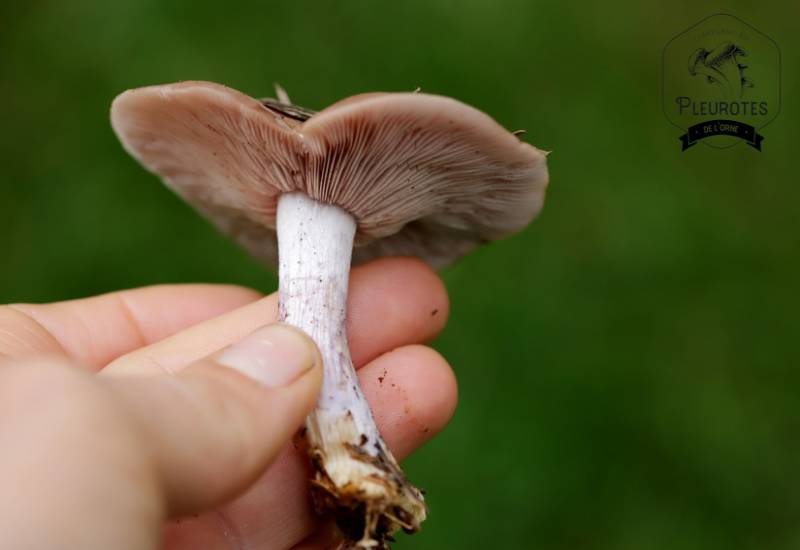
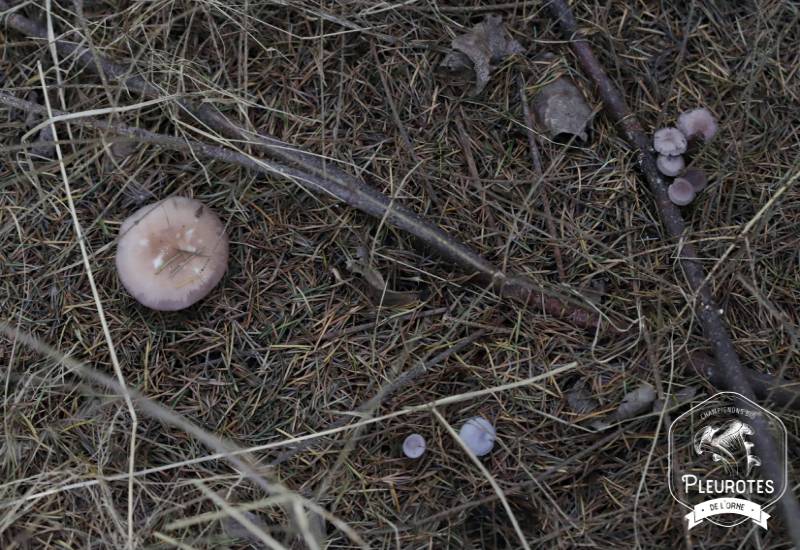
Organic Wood Blewit Grain Spawn
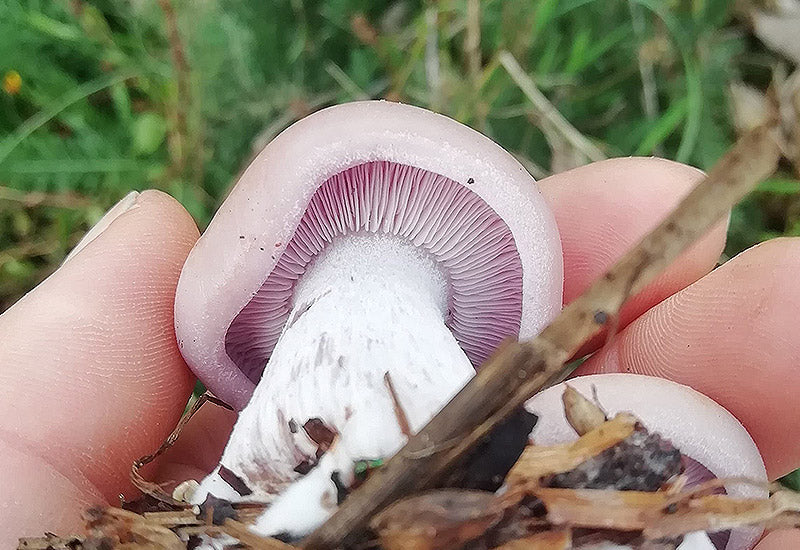
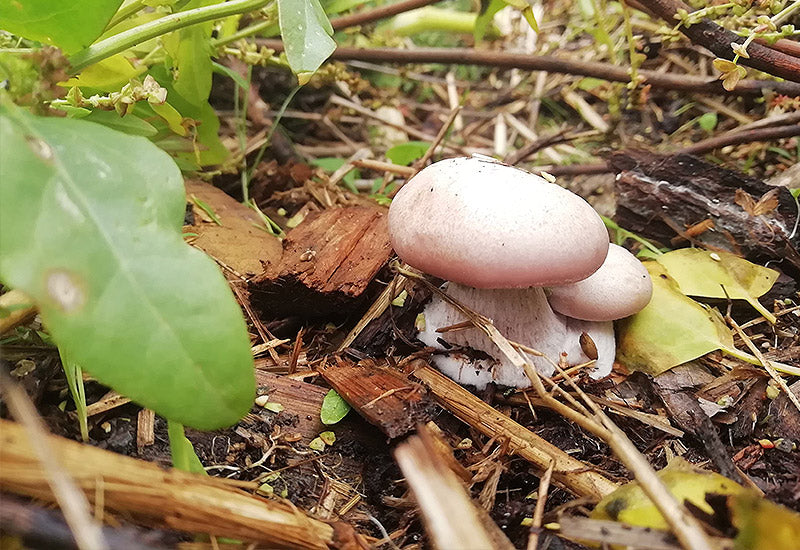
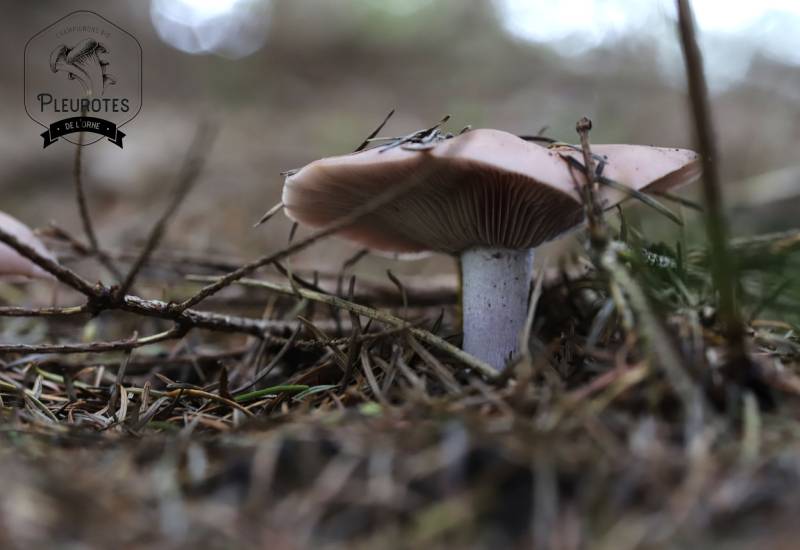
- 🍄 BLUE FOOT GRAIN SPAWN: Lepista nuda, also known as the wood blewit mushroom, is valued for its distinctive color and delicate flavor.
- 🌱 INDOOR OR OUTDOOR GROWING: Thrives in substrates such as decaying wood, compost, and leaf litter.
- 💪 COLD TOLERANCE: This mycelium can produce fruiting bodies at lower temperatures, making it ideal for cultivation in the fall and winter.
- 🍽️ TASTE PROFILE: A mild flavor with subtle fruity and aromatic notes, perfect for enhancing dishes, especially stir-fries and stews.
- 🌍 LOCALLY GROWN AND ORGANIC: Certified "BE-BIO-01" by Certisys.
Lepista nuda, also known as the wood blewit mushroom, is a litter-dwelling mushroom that typically grows on the ground in nutrient-rich areas. It is commonly found in fairy rings under oak and beech trees, among fallen leaves, and sometimes under certain conifers. This mushroom is distinguished by its characteristic, slightly anise-like scent.
❄️ Storage of the mycelium: 1 month in the refrigerator.
👉 See also: "How to use our mycelium"
Our commitment to quality:

We produce our mycelium in laboratory conditions, which ensures the purity of the strains and optimal quality.
We produce our mycelium using 100% organic methods, and all our products are certified "BE-BIO-01, Agriculture Belgique" by CERTISYS.

🌱 Growing conditions
Outdoor cultivation is recommended for the wood blewit mushroom, although it can also be grown indoors on a bedding substrate (composted manure + a layer of mulch). Outdoors, it can be sown in mulch beds around areas of compost, prunings, or various organic debris. The colonized substrate should be covered with a thin layer of soil or potting mix to retain moisture. Commercial growing conditions are similar to those for button mushrooms. Outdoor planting should preferably take place in the spring for fruiting the fall, during the first frosts.
🛠️ Growing media
The wood blewit mushroom thrives on well-aerated substrates such as composted manure, compost, and leaf litter. Like other layer fungi, its mycelium is stimulated by the presence of certain specific bacteria found in the soil.
📊 Growing conditions
Inoculation: 10–20% grains per unit of moist substrate
Incubation:
| Incubation temperature: | 20–24°C |
| Incubation period: | 2–3 weeks |
| Light requirements: | n/a |
Formation of primordial cells:
| Initiation temperature: | 5 to 13°C |
| Relative humidity: | 95% to 100% |
| Duration of the introductory course: | 5–10 days |
| CO2 concentration: | 500–5,000 ppm |
| fresh air exchange | 7 to 8 cubic feet per hour |
| Light requirements: | n/a |
fruiting
| fruiting temperature fruiting | 12–18°C |
| Relative humidity: | 85 to 90% |
| fruiting period fruiting | 3 weeks |
| CO2 concentration: | 500–1,000 ppm |
| fresh air exchange | 7 to 8 cubic feet per hour |
| Light requirements: | n/a |
| Number of harvests: | 2 to 6 harvests, at varying intervals |
📚 This information is taken from the book *Growing Gourmet and Medicinal Mushrooms* by P. Stamets. It is provided for informational purposes only; since each mushroom grower has unique growing conditions, individual results may vary.
📈 Productivity
Harvest is 100–150 g of fresh mushrooms per 1 kg of moist substrate. Outdoor yields vary widely and depend on many factors beyond our control.

Organic Shiitake - Plug Spawn
€7.80–€59.00
Organic Blue Oyster Mushroom - Plug Spawn
€7.80–€59.00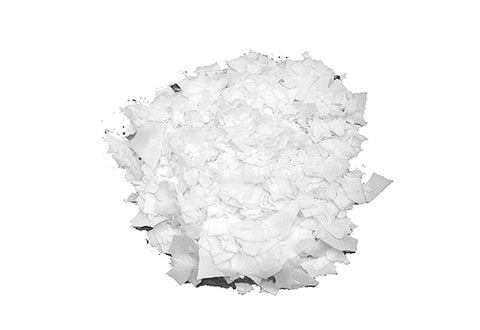
Wax for Log Cultivation
€2.90–€15.90