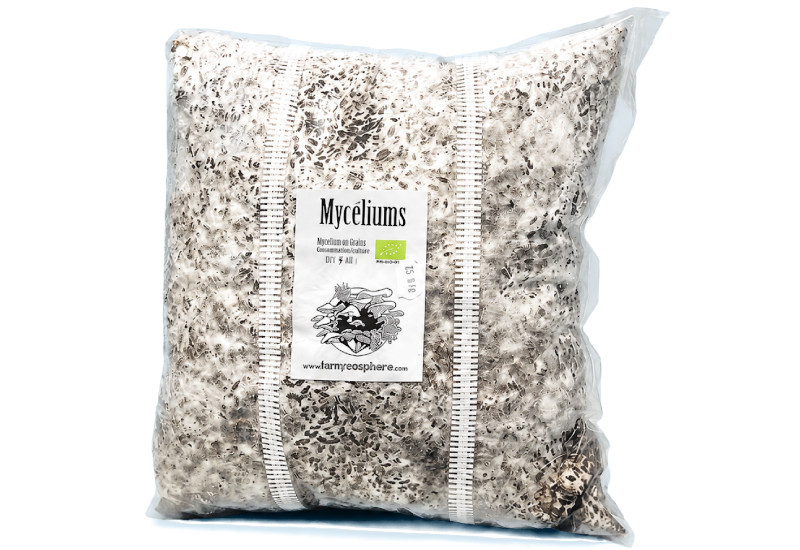

Organic Grain Spawn
- 🌱 MOTHER SPAWN: Discover our selection of grain-based mycelia.
- ✅ ORGANIC PRODUCTION: Certified "BE-BIO-01" by Certisys, our mycelia are produced in accordance with strict standards.
- ⏳ MADE-TO-ORDER: Our beans are prepared exclusively upon order, with a production lead time of approximately 3 weeks.
- 🍄 VERSATILE USE: Ideal for inoculating substrates.
How to grow oyster mushrooms
This mycelium must be combined with a suitable substrate and handled properly to ensure successful colonization.


The main varieties of mycelium are listed in the site menu. Here you will find all our other varieties of mycelium available in grain form. These mycelium strains are generally produced to order and are not available in stock. Please allow approximately 3 weeks for production.
We select our strains for their vigor and productivity. Our grain-based mycelium is ideal for inoculating substrates, ensuring optimal and uniform colonization.
Note: Production lead times are provided for informational purposes only. They may sometimes be longer depending on the variety, the order volume, and the number of orders currently in progress.
List of Varieties
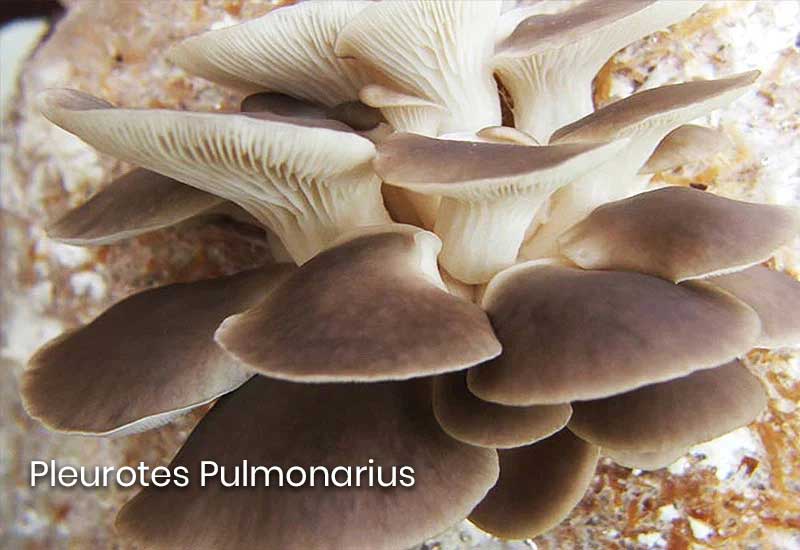
Oyster mushrooms (Pleurotus spp.)
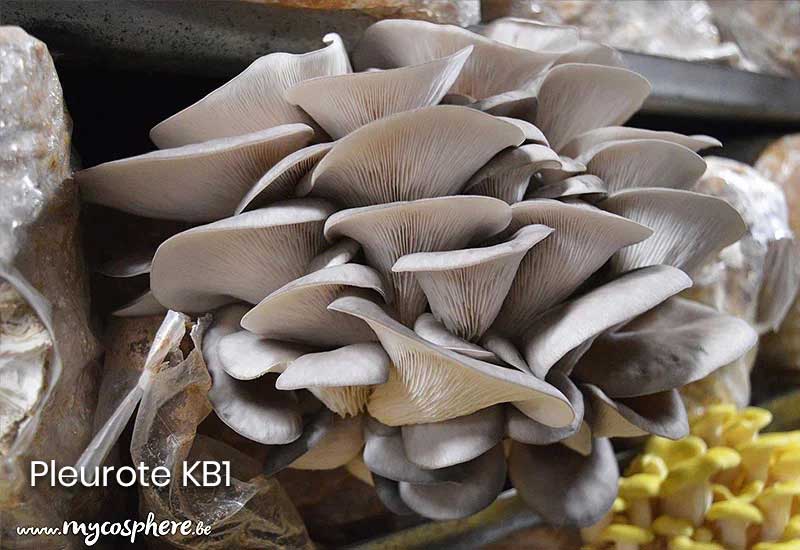
KB1 Oyster Mushroom (
) A variety with large, thick caps and fleshy stems that remain tender all the way to the base. Very high yield and consistent fruiting. Excellent shelf life and a flavor that is highly appreciated when eaten fresh.
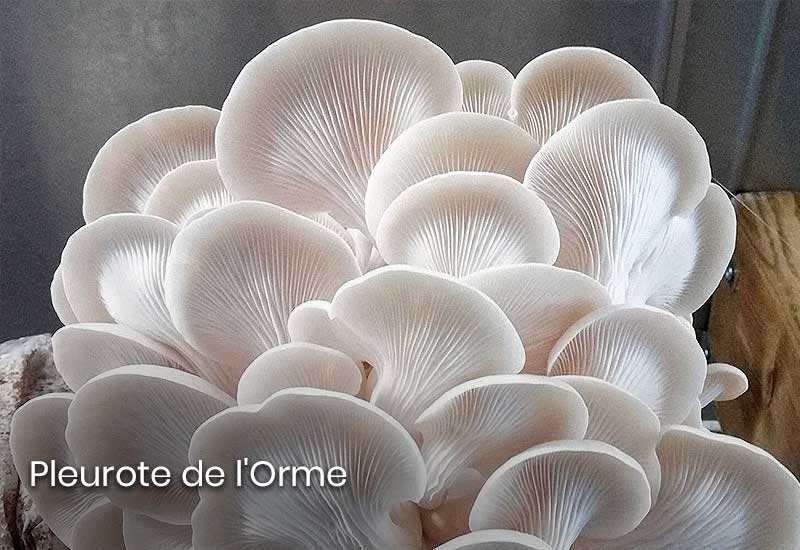
Elm Oyster Mushroom (
) A hardy white oyster mushroom with large, thin caps. Fast-growing and highly productive. Average shelf life, but very reliable in cultivation.
Florida Oyster Mushroom (
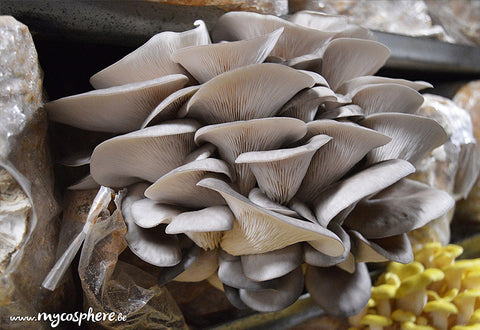
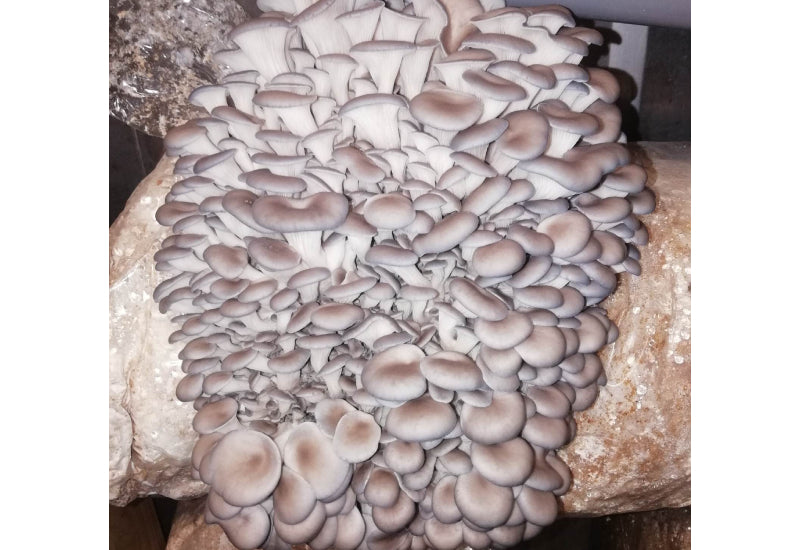
) A heat-tolerant variety that produces fruiting bodies starting at 10 °C. Fruiting bodies grow in clusters of small caps (3–5 cm). They are bluish-gray in cold conditions and off-white in warm conditions. The mycelium is robust and hardy.
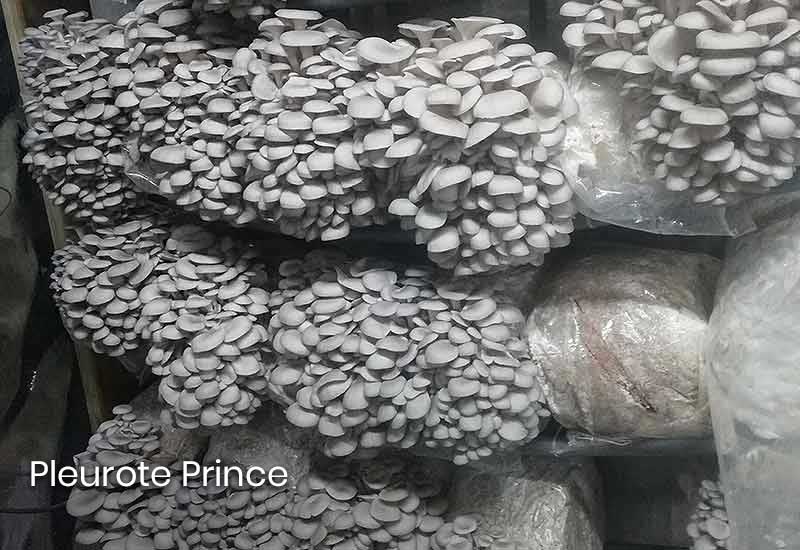
Prince Oyster Mushroom (
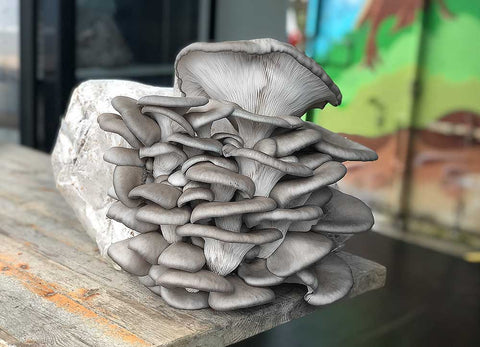
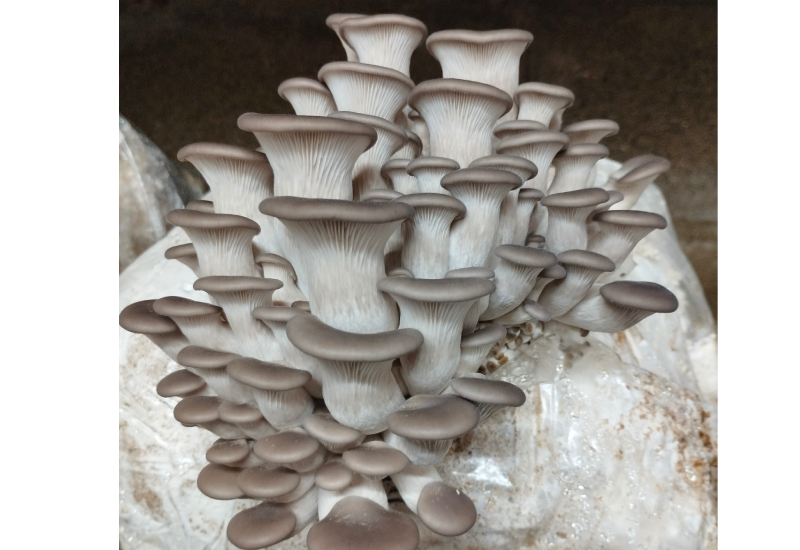
) A classic commercial variety that produces cascades of small, silvery-gray caps. Short, slender stems. Good yield and excellent shelf life; color darkens below 15 °C.
Blue Brat Oyster Mushroomstrain
strain ,strain to Bratislava, with small silvery-gray caps. Average yield but excellent hardiness. Fast-growing and highly resistant to changing conditions.
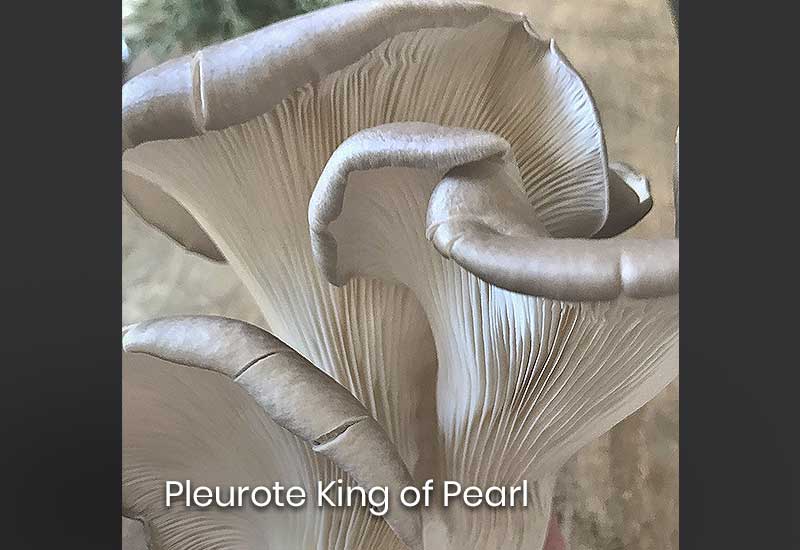
King of Pearl Oyster Mushroom (
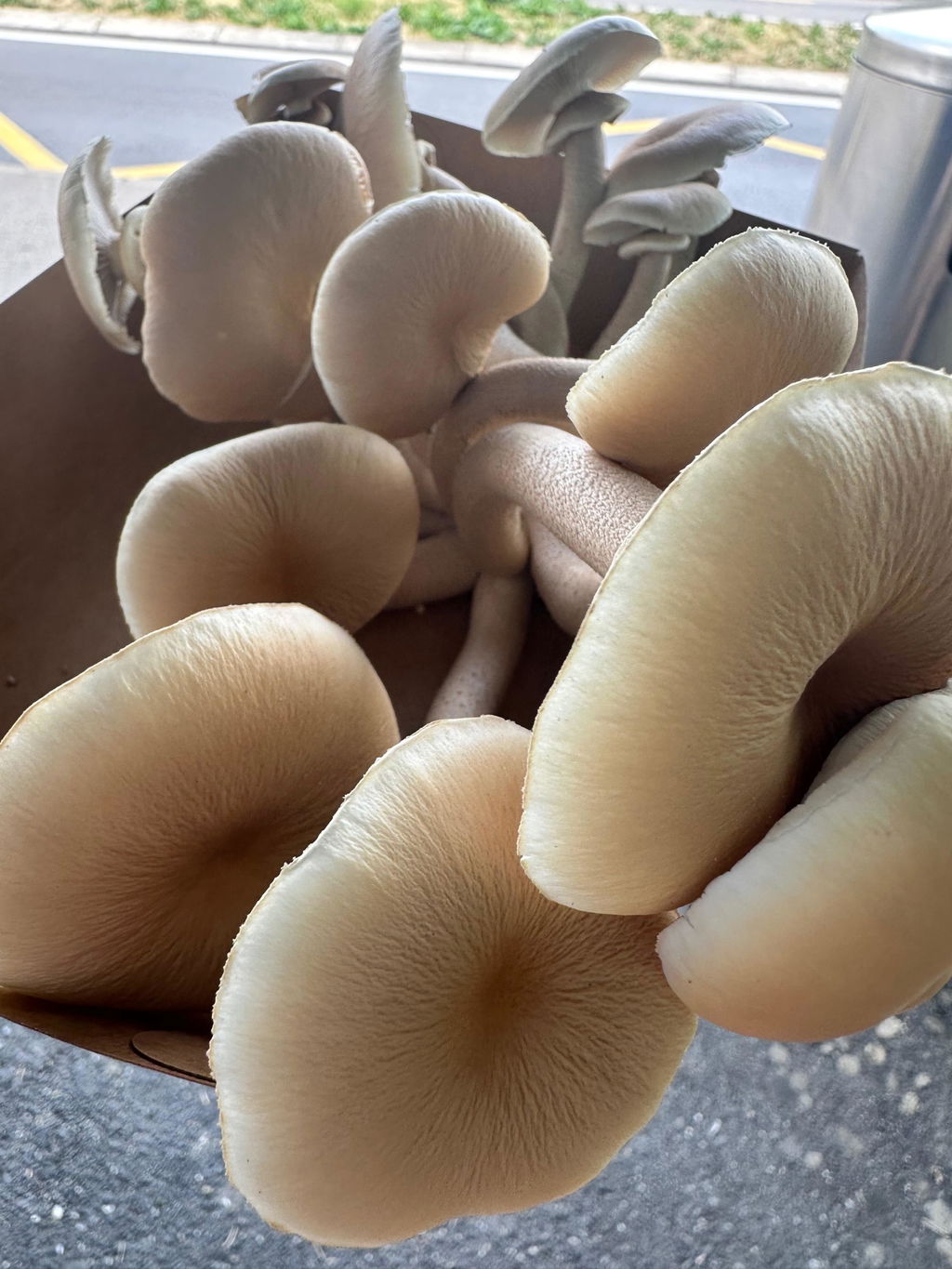
) Beige-gray caps with a uniform appearance. Average productivity offset by very vigorous and fast-growing mycelium. Ideal for short growing cycles.
Pearl Oyster Mushroom (
) A hardy, basic variety with small beige caps. Average yield but highly adaptable to temperature fluctuations. strain and versatile strain .
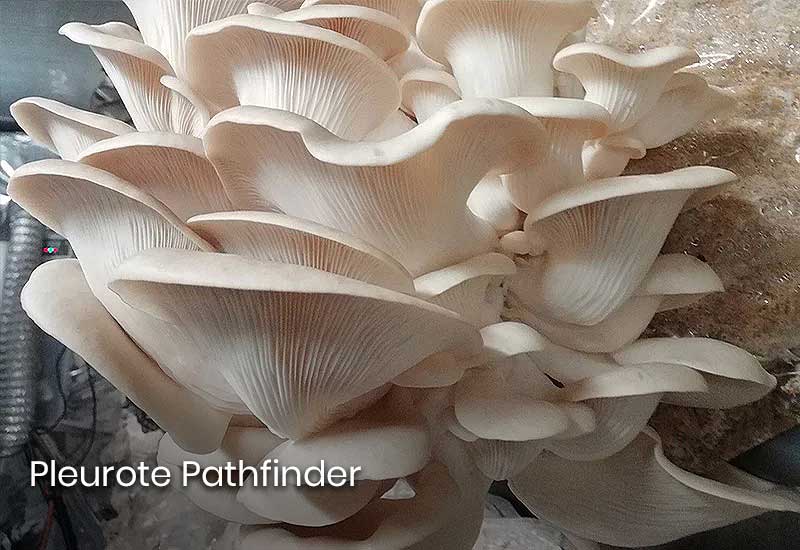
Pathfinder Oyster Mushroom (
) Large beige caps, relatively delicate but of very high quality. Wide, tender stems. A delicate, nutty flavor, highly prized in cooking.
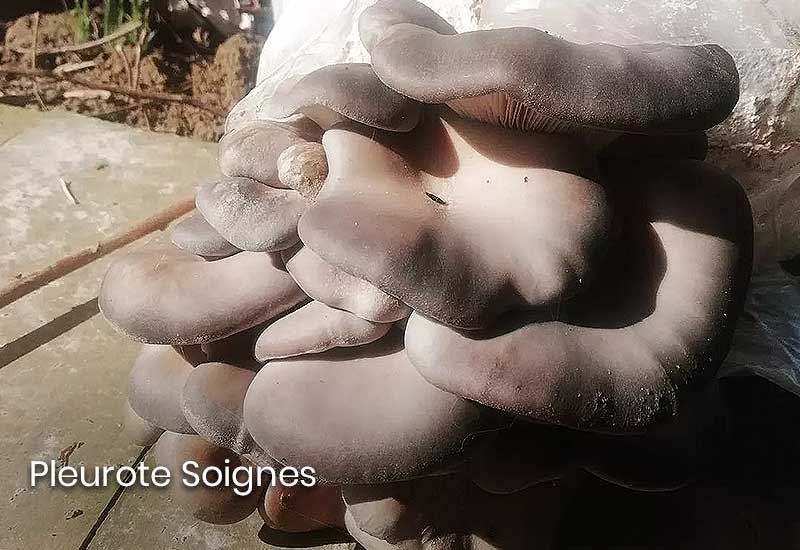
Soignes Oyster Mushroom (
) A winter variety native to the Sonian Forest (Belgium). Gray-brown in color, with very vigorous mycelium. Thrives in cold temperatures and outdoor air, making it well-suited for winter cultivation.
(Italian Oyster Mushroom) Also known as the Italian oyster mushroom. Tolerates heat well and can be grown year-round. Grows very quickly and produces small clusters of mushrooms. Highly resilient and adaptable to a wide range of substrates; best harvested young.
Pleurote Mustang
Variété d’hiver issue d’une forêt wallonne. Chapeaux denses et lourds, couleur gris-brun. Mycélium très agressif, nécessitant un choc de froid marqué (< 10 °C). Bonne productivité mais avec une phase de repos post-colonisation d’environ un mois.
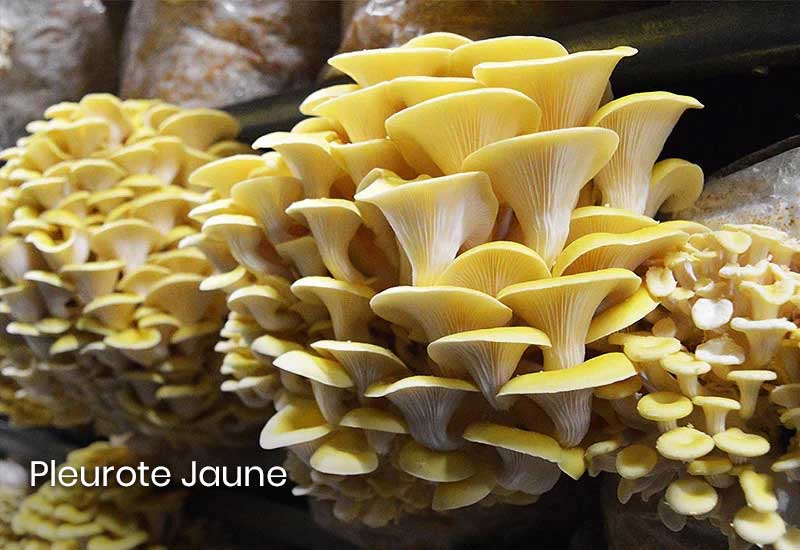
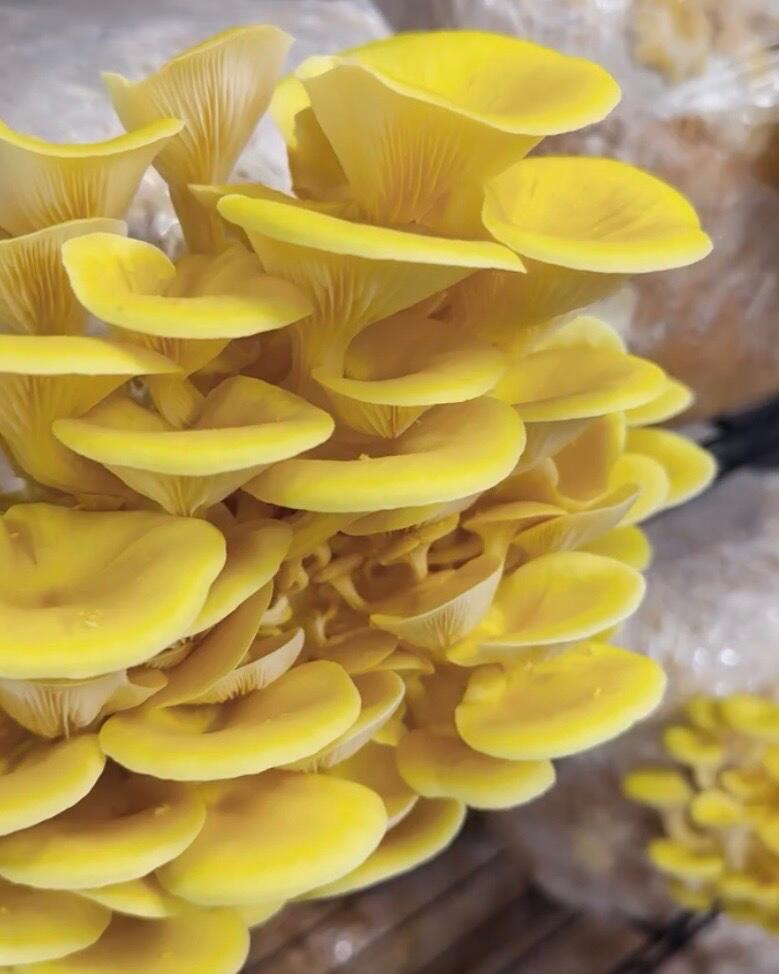
Yellow Oyster Mushroom: Distinct flavor and texture compared to other oyster mushrooms, with a slight anise-like taste. Prefers temperatures above 18 °C and ample light for intense color. Fragile caps; harvest while young.
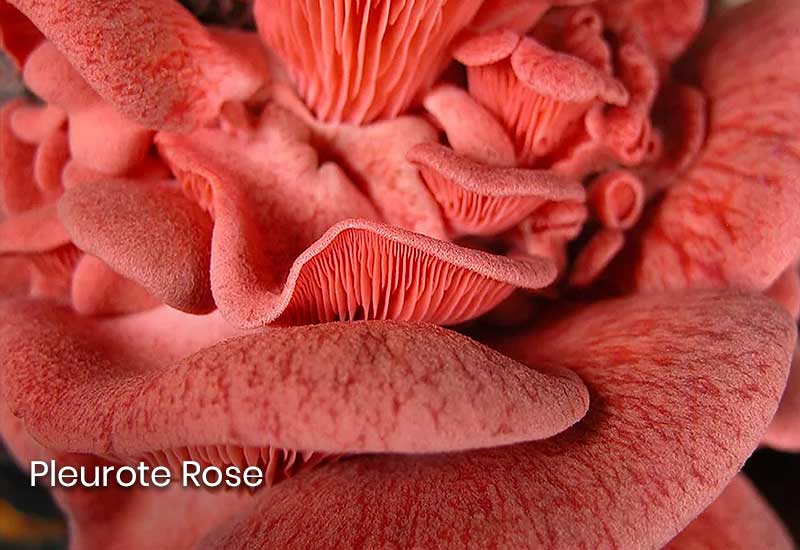
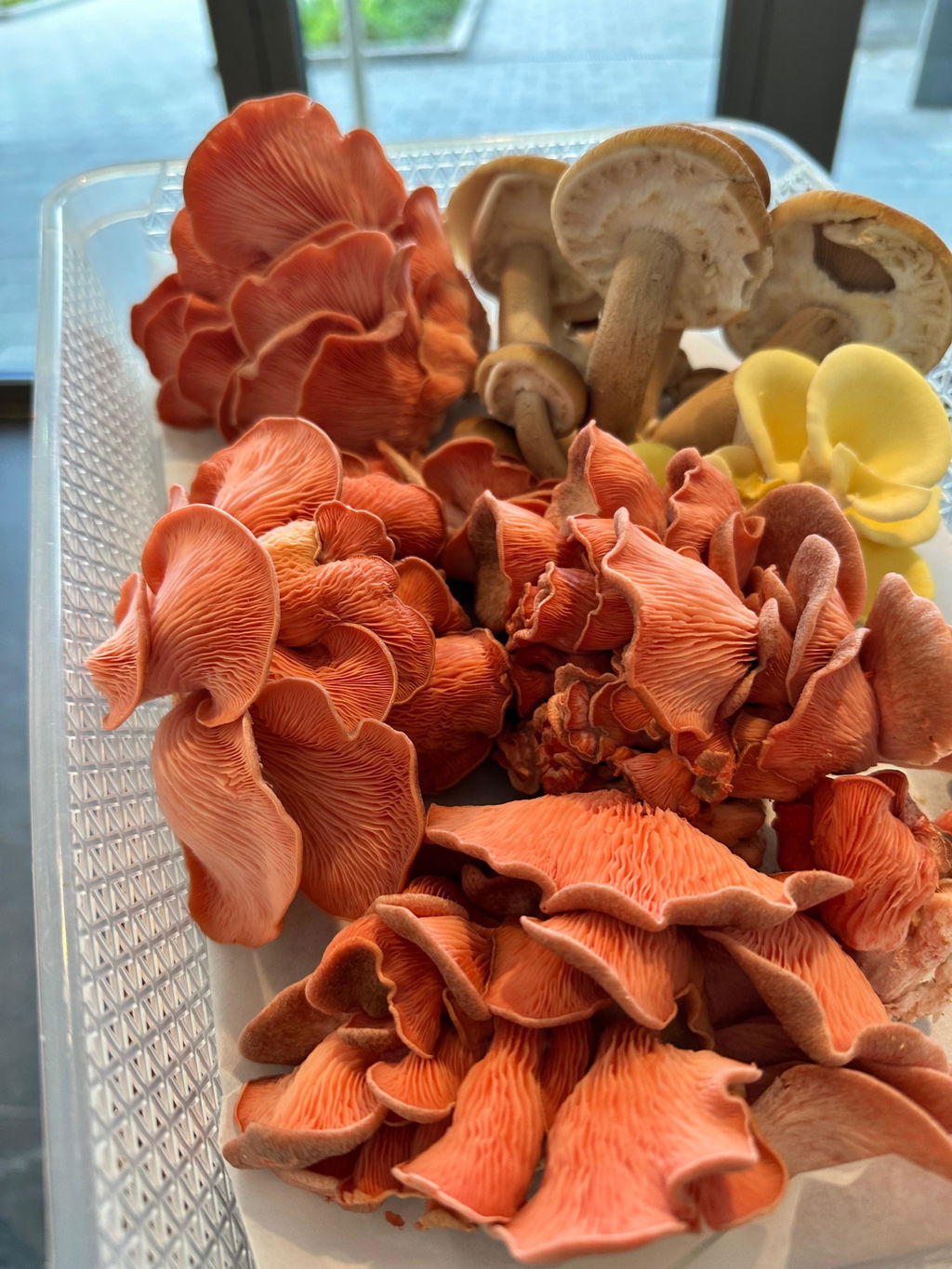
Pink Oyster Mushroom A thermophilic variety (25–30 °C) that grows very quickly. Spectacular appearance, ideal for niche markets. Short shelf life; harvest recommended.
Hybrids & Related Species
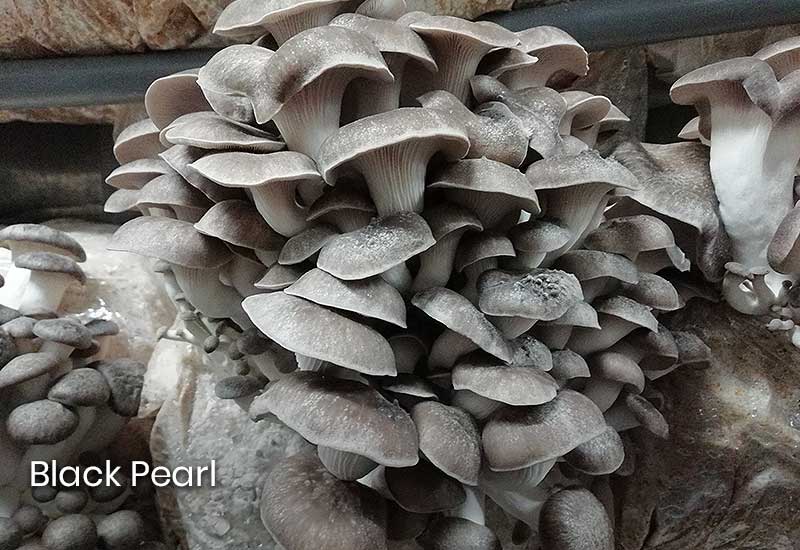
Black Pearl
A hybrid of oyster mushrooms and king oyster mushrooms. Combines thick, firm flesh with high yields. Strong commercial potential.
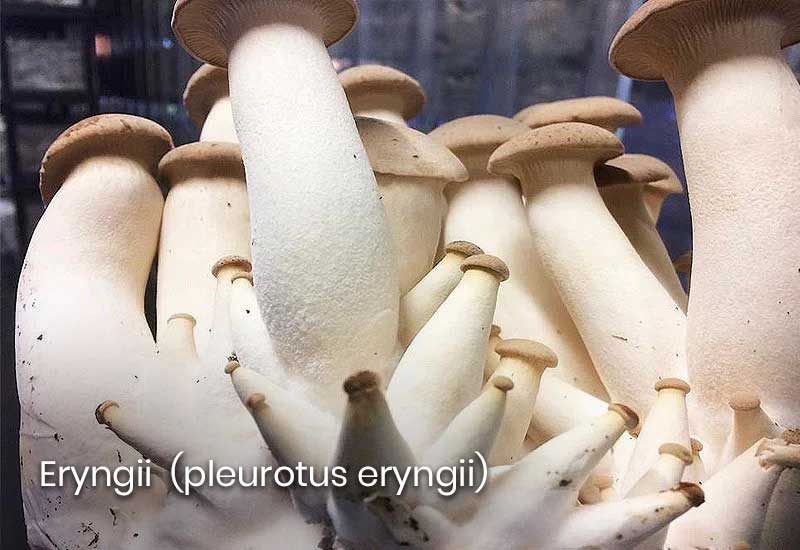
“Kings” King Oyster Mushrooms (Pleurotus eryngii)
A classic commercial variety. Very meaty stem, firm texture, and delicate flavor. Highly prized in fine dining.
Hericiums
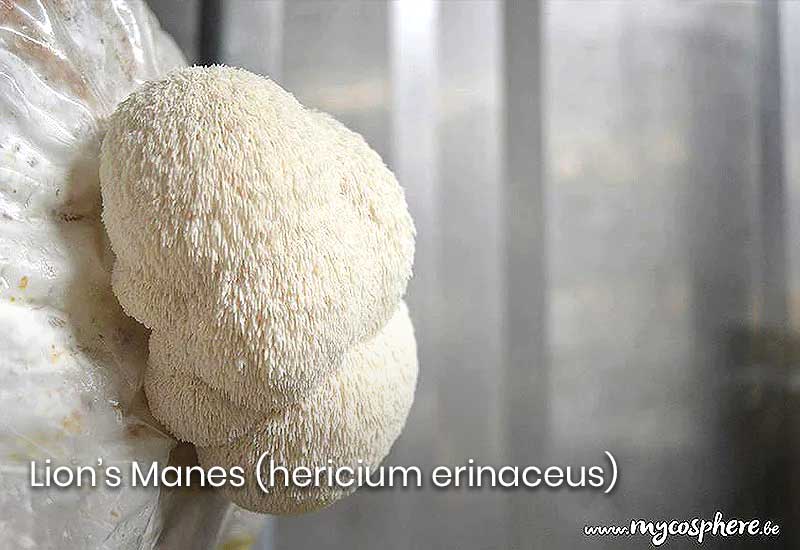
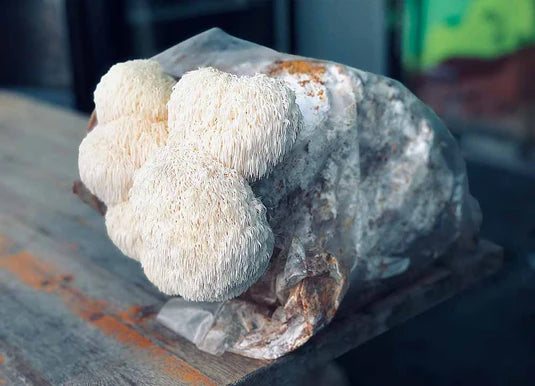
Lion’s Mane “PomPom” (Hericium erinaceus)
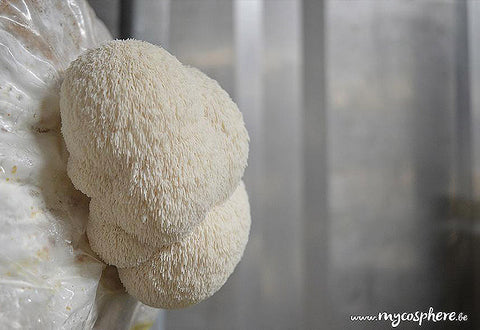
A commercial variety with fruiting , compact fruiting . Good yield and easy to cultivate. Its texture is reminiscent of seafood and is highly prized.
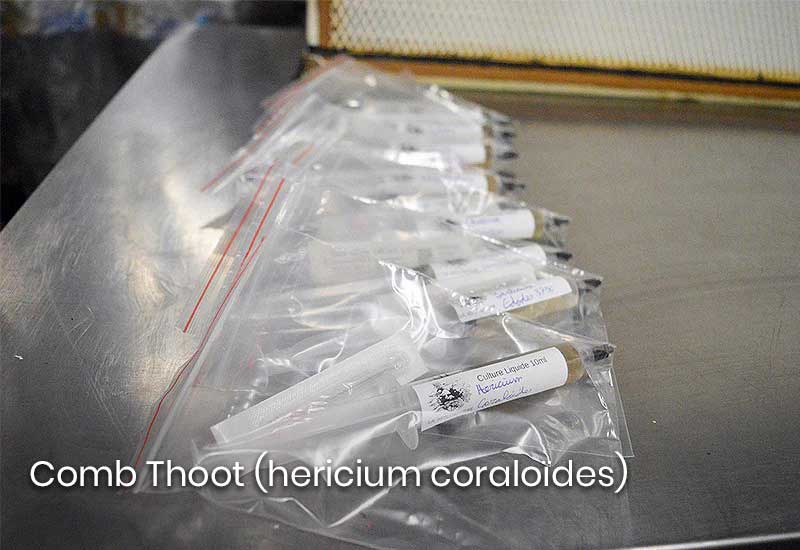
Comb Tooth (Hericium coralloides)
fruiting ,fruiting branchedfruiting with a coral-like appearance. A delicate and rarer variety. High culinary and aesthetic value.
Edible & Medicinal Mushrooms
Agaricaceae and related families
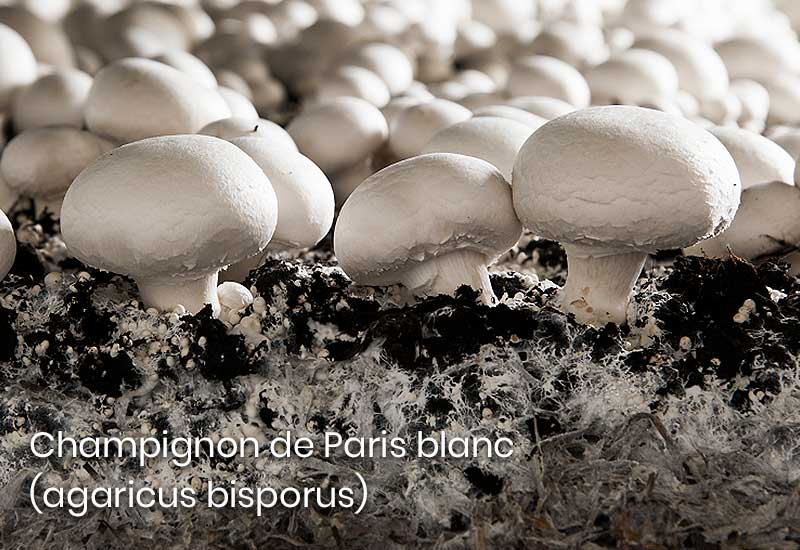
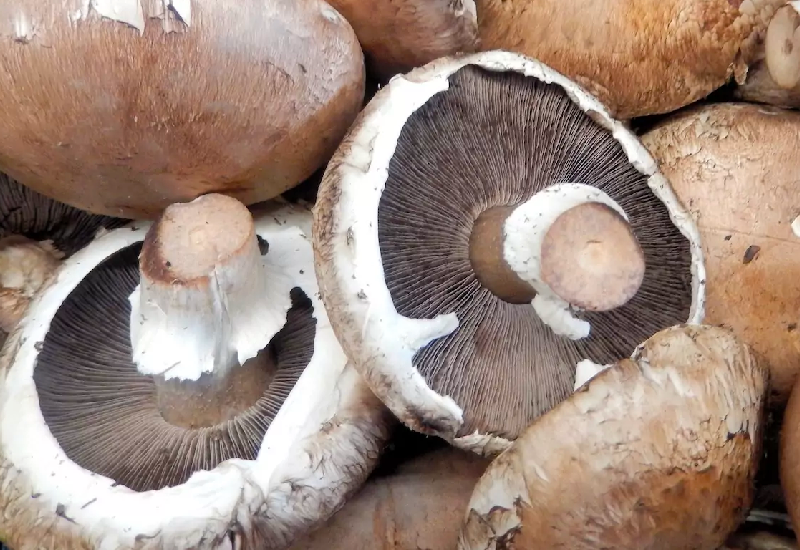
White Button Mushroom (Agaricus bisporus)
The gold standard in mushroom cultivation. Consistent, standardized production. Widely used in cooking.
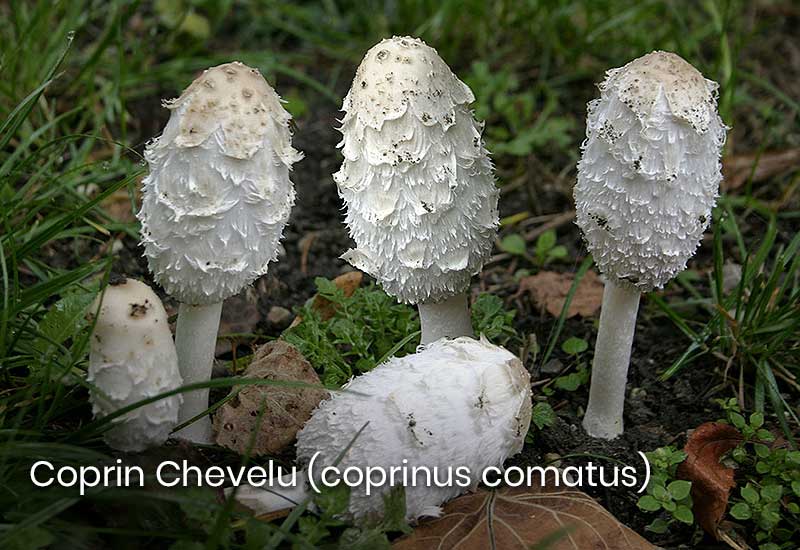
Shaggy Mane (Coprinus comatus)
Harvest while young, before they turn mushy. Fine texture and delicate flavor. A delicate mushroom, but highly prized when fresh.
Lentinula / Lentinus
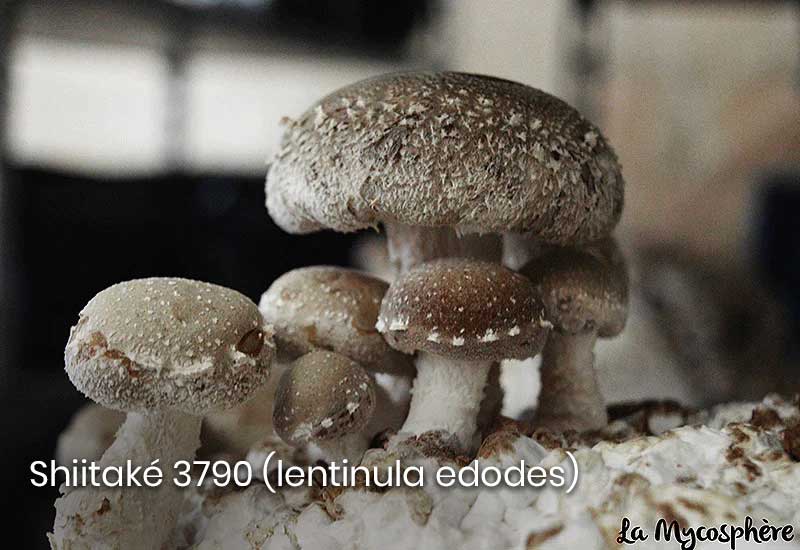
Shiitake 3790 (Lentinula edodes)
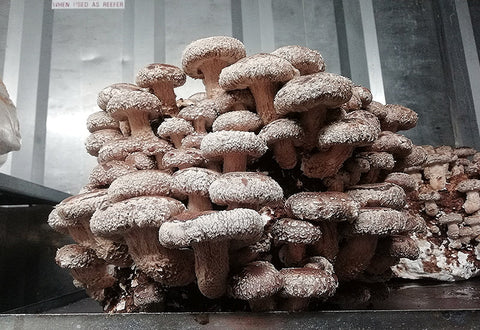
A reliable commercial variety. fruiting and regular fruiting . Good flavor.
Shiitake 3770 (Lentinula edodes)
strain suited for log cultivation. It exhibits vigorous growth and fruiting tolerance to fruiting .
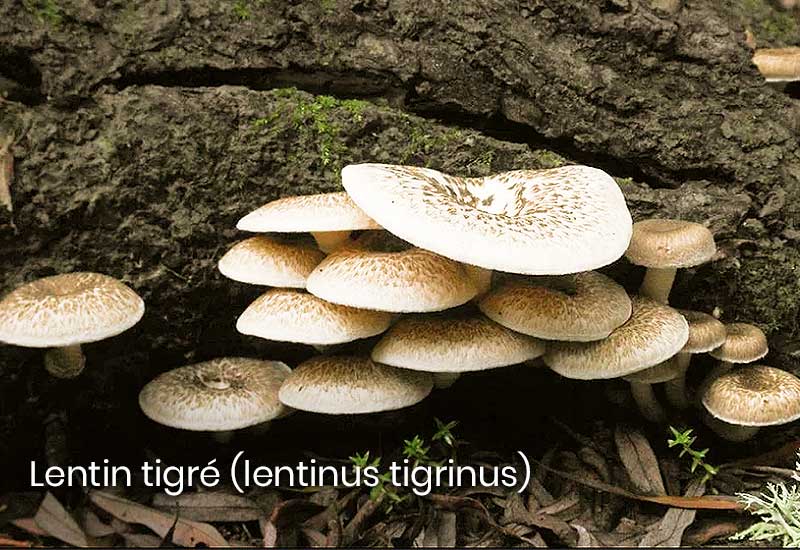
Tiger Lentinus (Lentinus tigrinus)
Ornate cap and firm texture. Culinary and visual appeal. Can be cultivated on wood.
Ganoderma
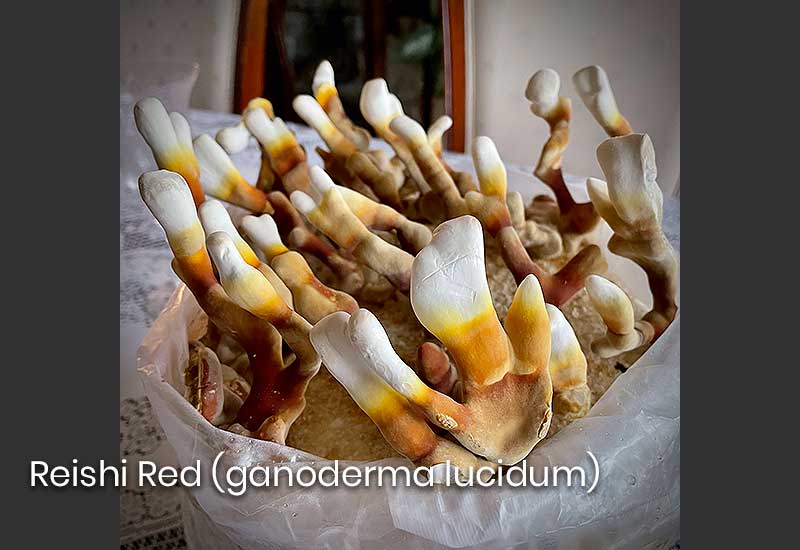
Red Reishi (Ganoderma lucidum)
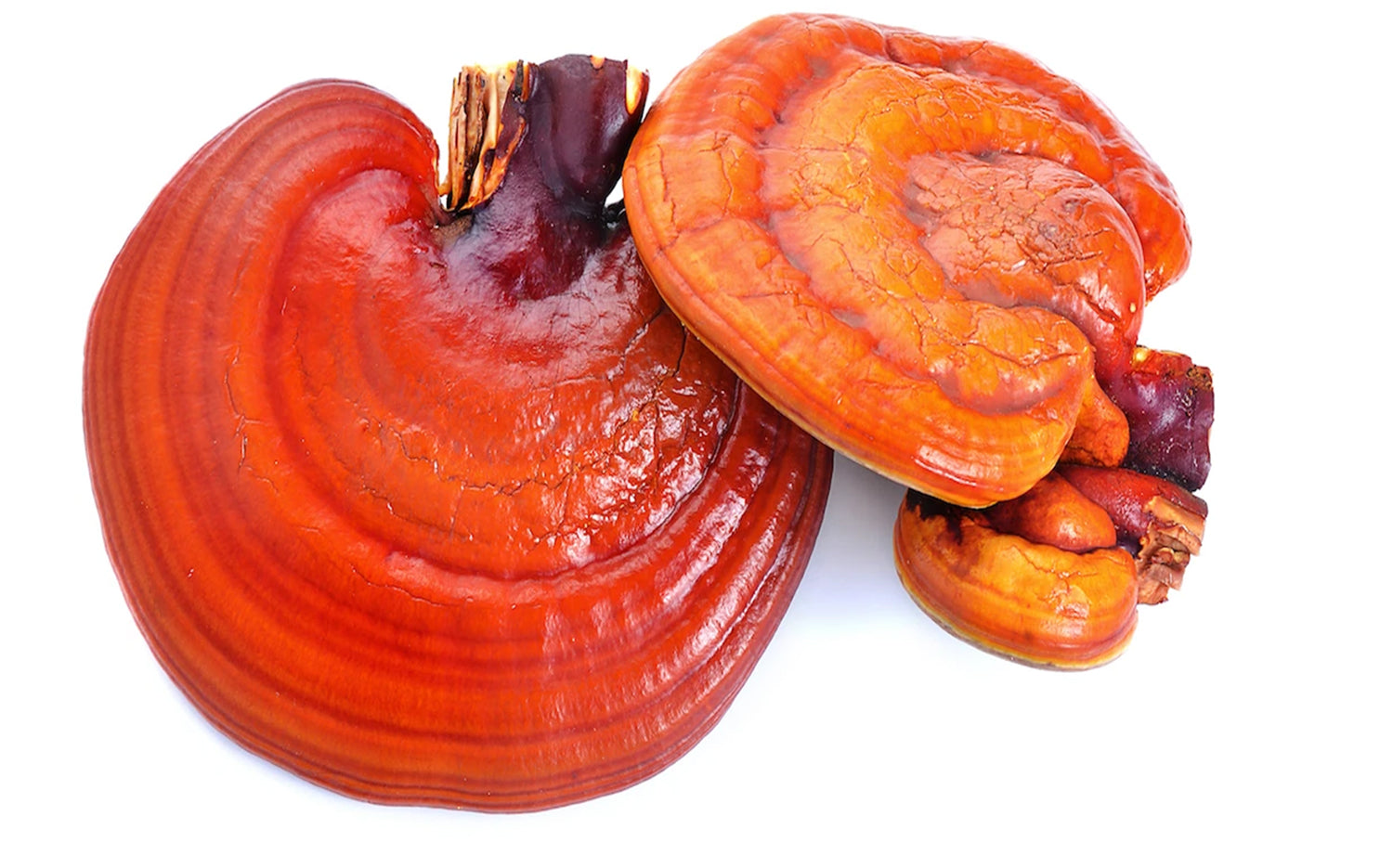
A staple in mycotherapy. fruiting bracket-shaped fruiting body. Widely used for its polysaccharides and triterpenes.
Reishi Lingzhi
The leading source of medicinal reishi in Asia.
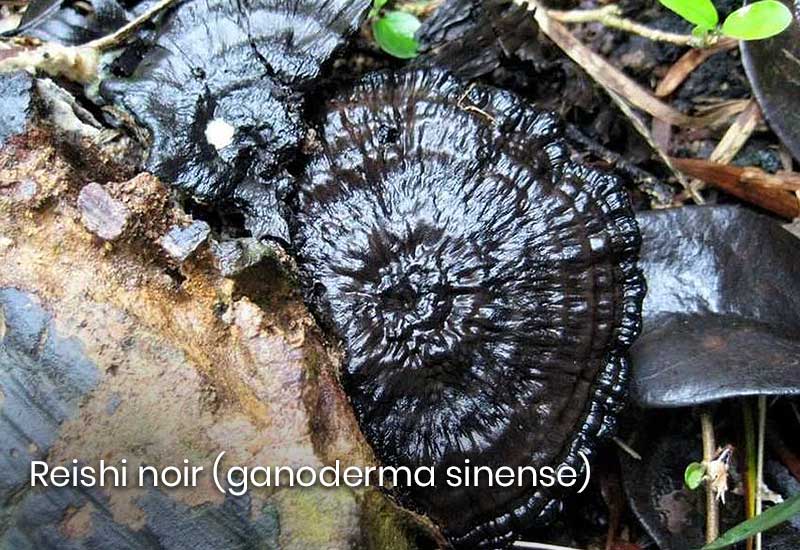
Black Reishi (Ganoderma sinense)
Medicinal properties similar to those of lucidum. Milder flavor. A good alternative for cultivation.
Reishi Antlers TFO5 (Ganoderma multipileum)
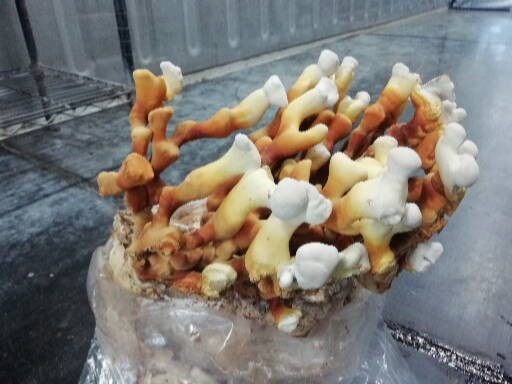
Spectacular branched fruiting bodies. Highly sought after for its “antler” shapes. Used for medicinal and decorative purposes.
Strophariaceae
Stropharia rugosoannulata (
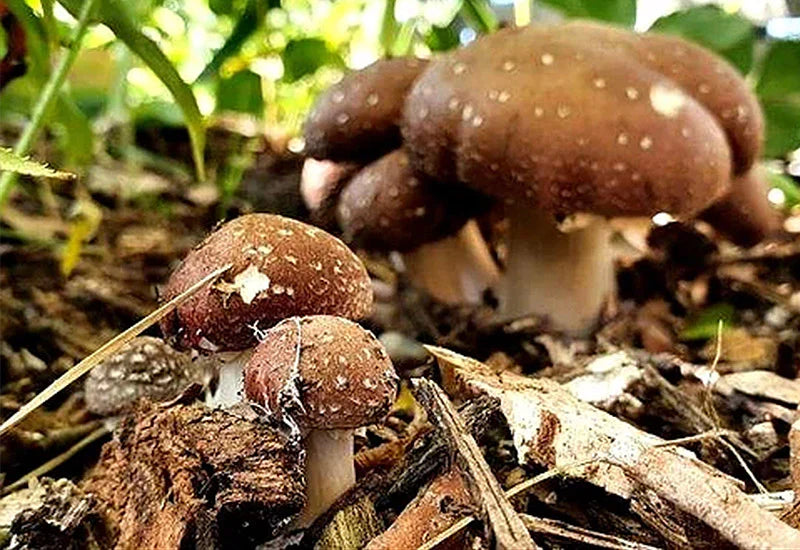
) An excellent mushroom for cultivation on mulch or wood chips. Productive and hardy. Of interest in agroecology.
Hypsizygus
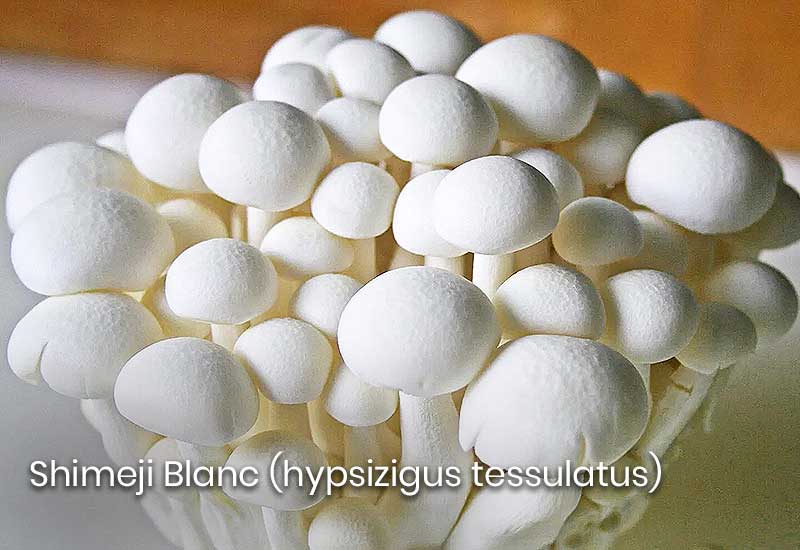
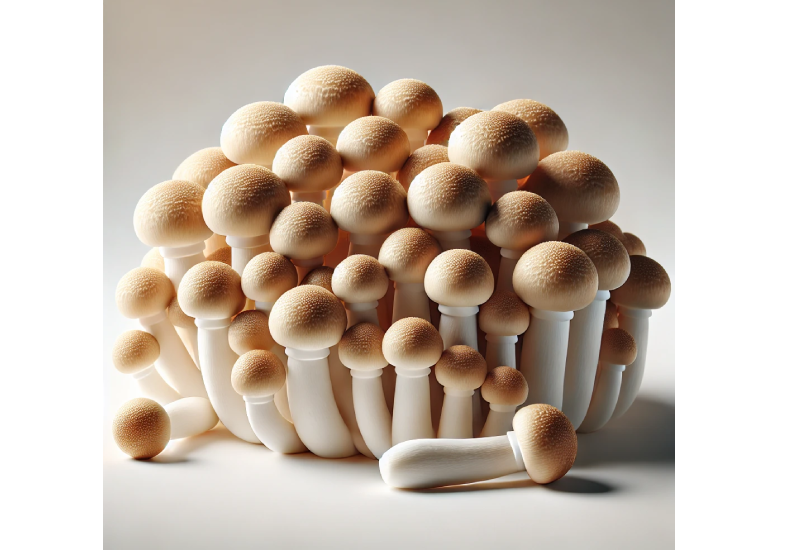
White Shimeji (Hypsizygus tessulatus)
A commercial variety. Crisp texture and nutty flavor. Compact fruiting bodies.
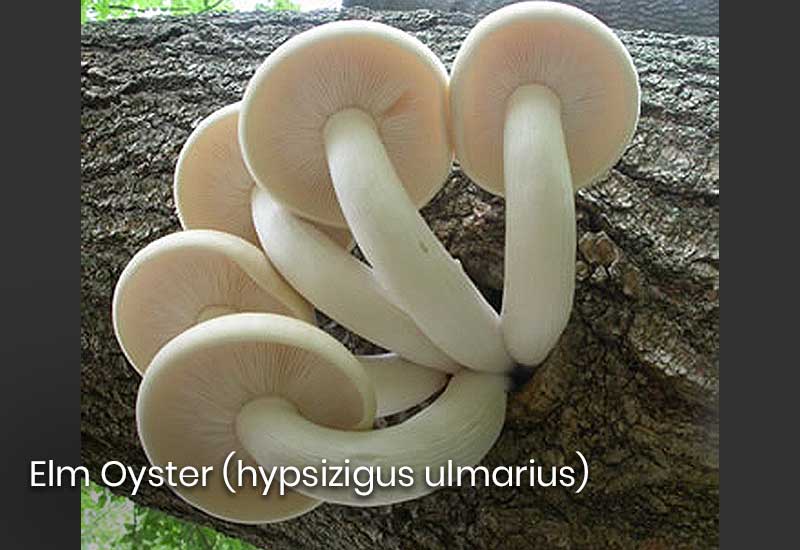
Elm Oyster (Hypsizygus ulmarius)
The “true” elm oyster mushroom. Large fruiting bodies. More technically demanding to cultivate than Pleurotus ostreatus.
Other edible species
Smoky-gilled Hypholoma (Hypholoma capnoides)
A small forest mushroom. Mild and pleasant taste. Of niche culinary interest.
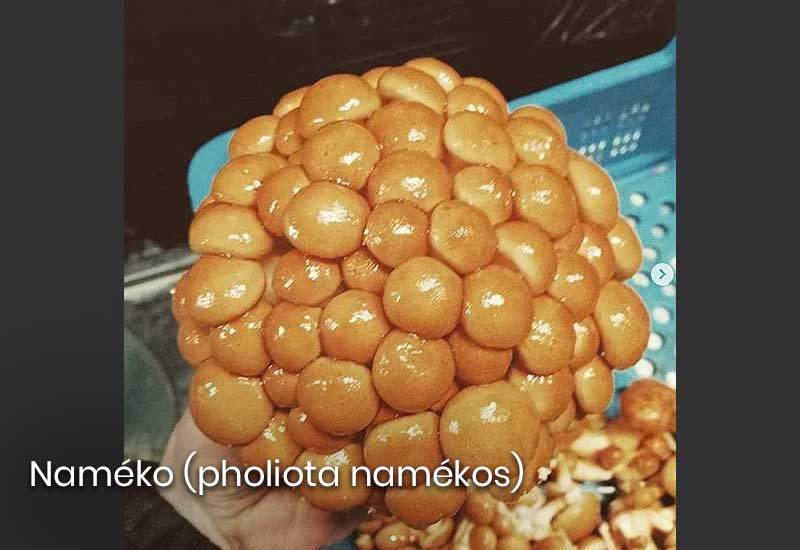
Nameko (Pholiota nameko)
A Japanese commercial variety. Characterized by its gelatinous texture. Highly prized in Asian cuisine.
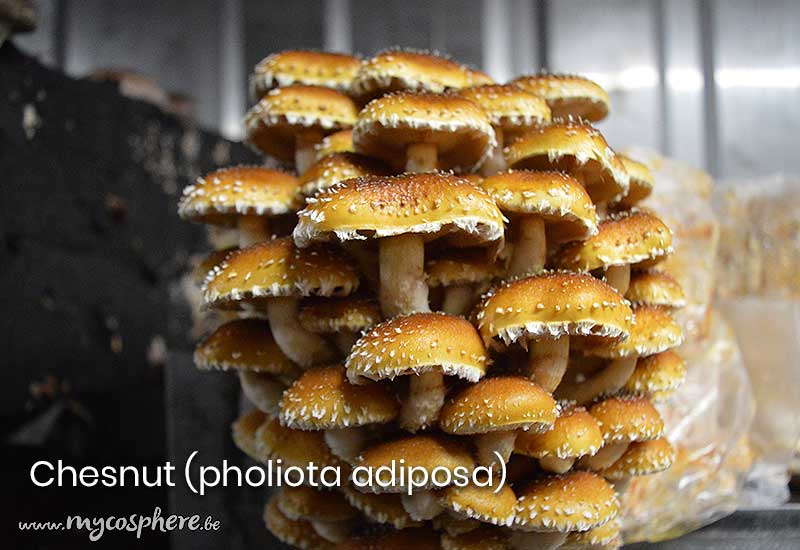
Chestnut (Pholiota adiposa)
Golden-brown caps with a nutty flavor. A reliable commercial variety. Holds up well when cooked.
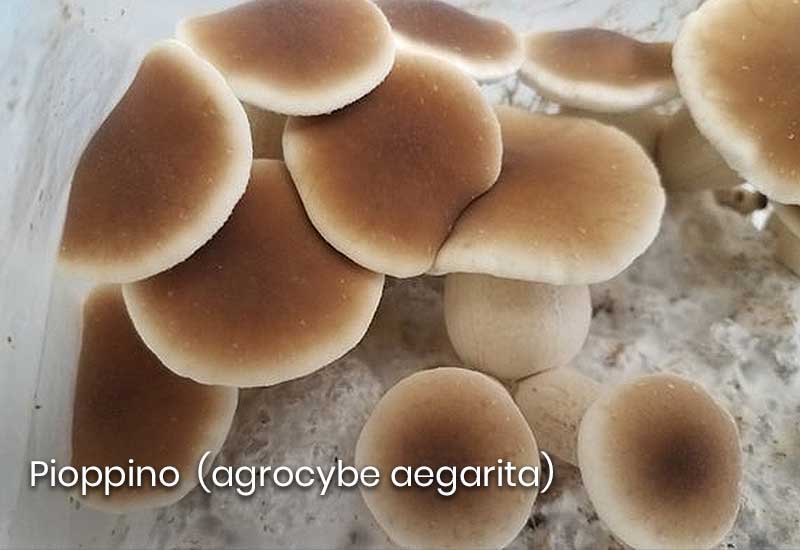
Pioppino (Agrocybe aegerita)
Brown cap, long, firm stem. Intense, aromatic flavor. Highly prized by chefs.
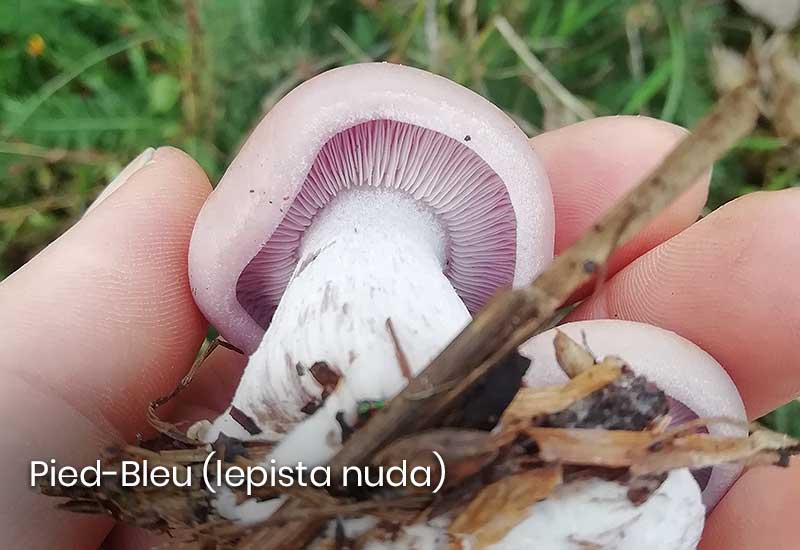
Blue-footed (Lepista nuda)
Characteristic purple color. Distinct floral fragrance. Primarily a winter crop.
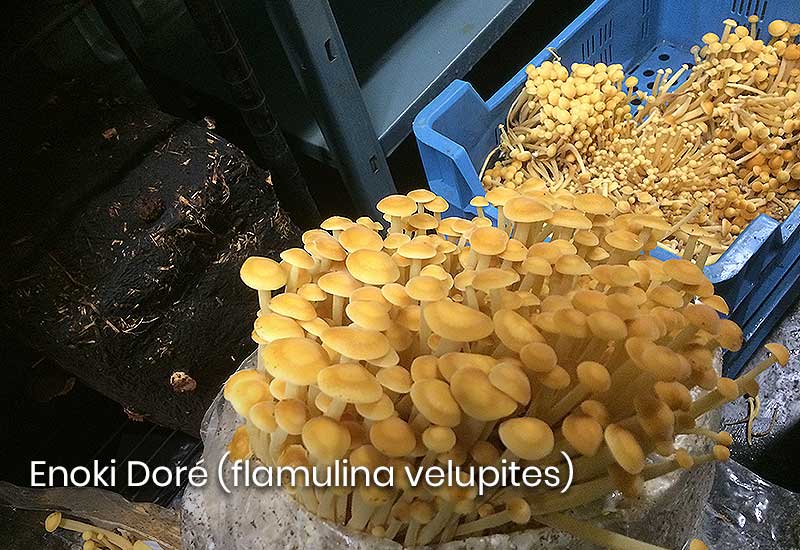
Golden Enoki (Flammulina velutipes)
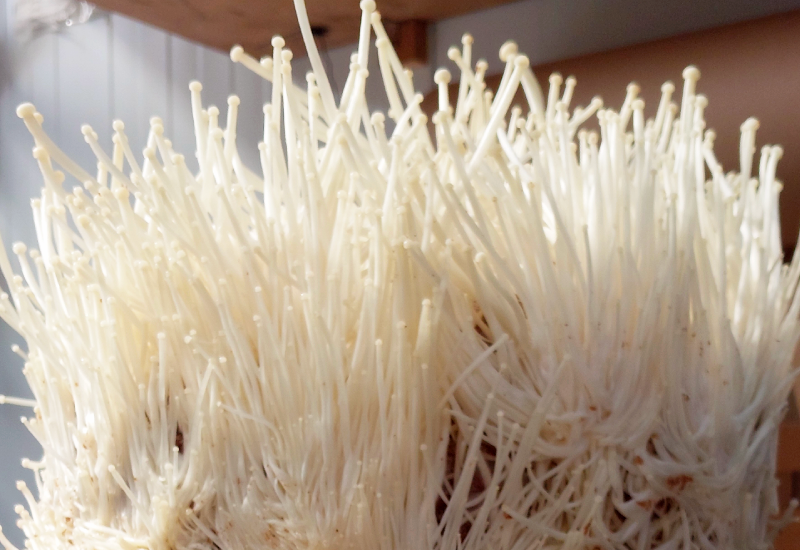
Long stems, crisp texture. Can be eaten raw or cooked. Can be grown under controlled conditions.
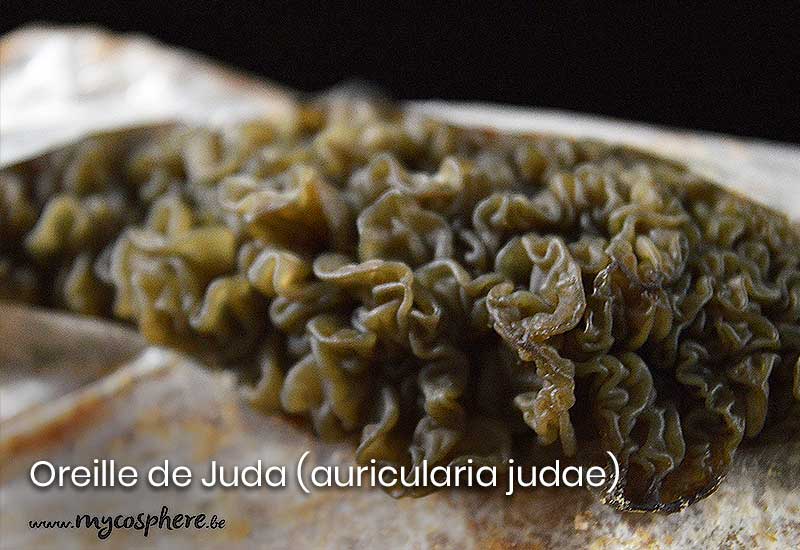
Judas's Ear (Auricularia judae)
Gelatinous texture. Widely used in Asian cuisine and traditional medicine. Keeps well when dried.
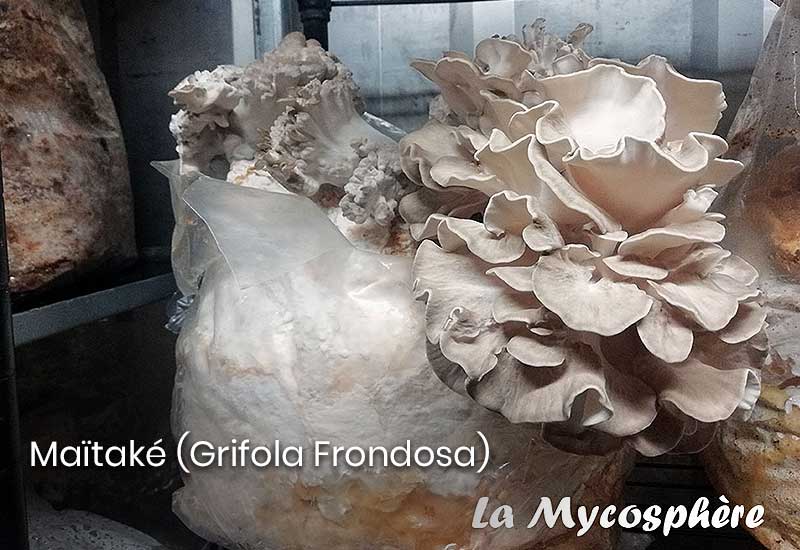
Maitake (Grifola frondosa)
fruiting large clusters. A highly sought-after commercial variety. High culinary and medicinal value.
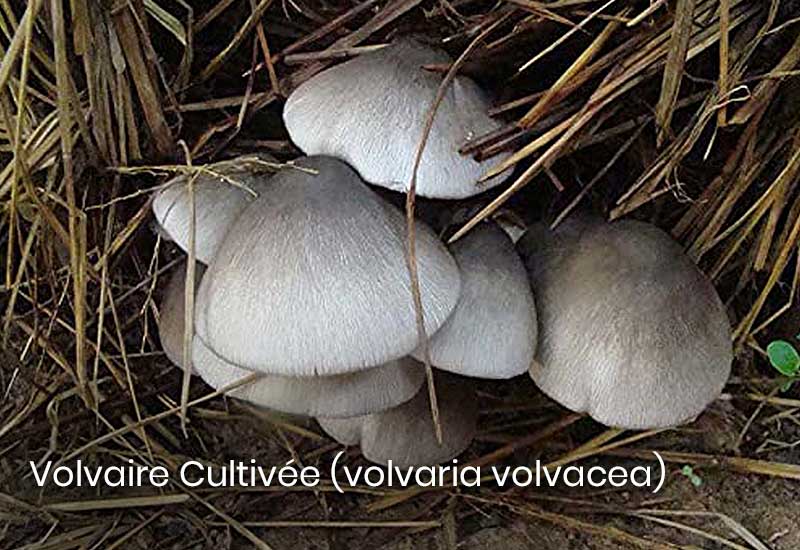
Cultivated Volvariella (Volvariella volvacea)
A tropical Asian mushroom. Grown at high temperatures. Tender texture and delicate flavor.
Polypores & specific species
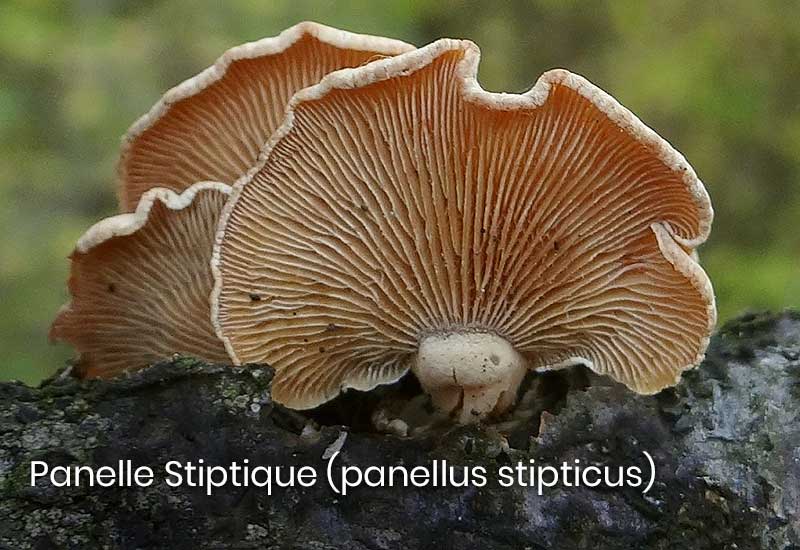
Panellus stipticus (Panelle Stiptique)
Bioluminescent mushroom. Of scientific and educational interest. Not intended for food production.
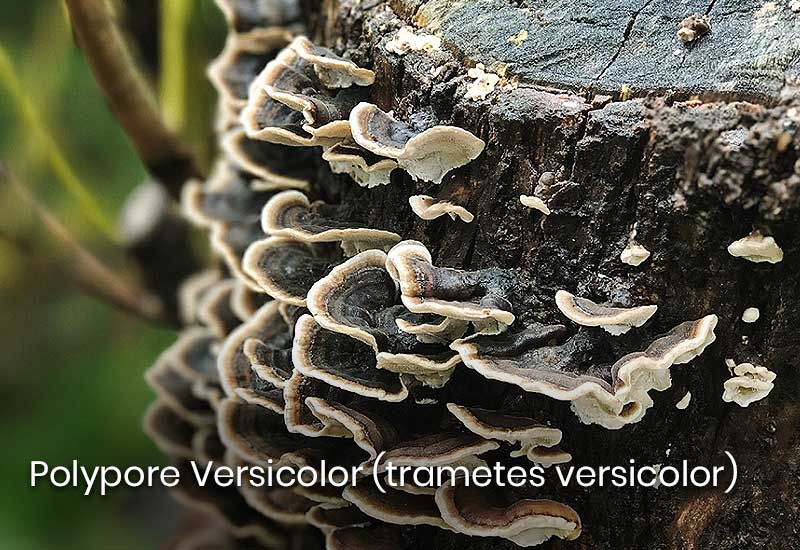
Turkey Tail (Trametes versicolor)
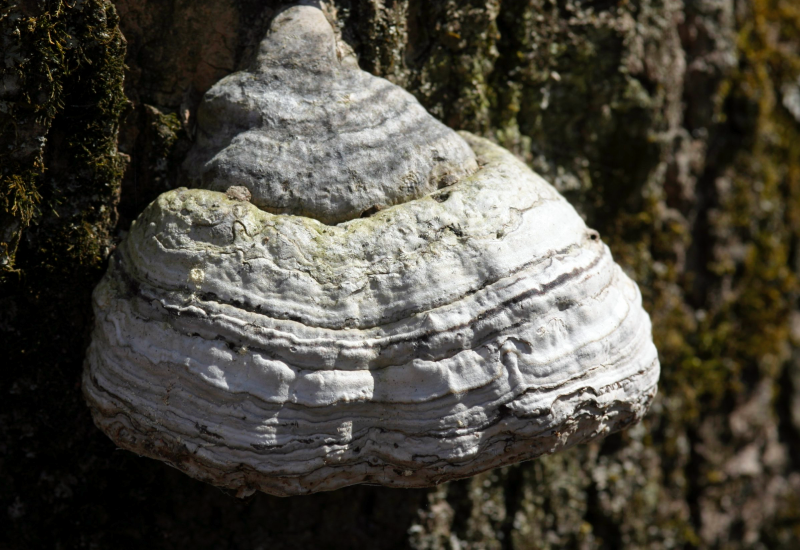
Widely used in mycotherapy. Rich in polysaccharides. Grown on wood.
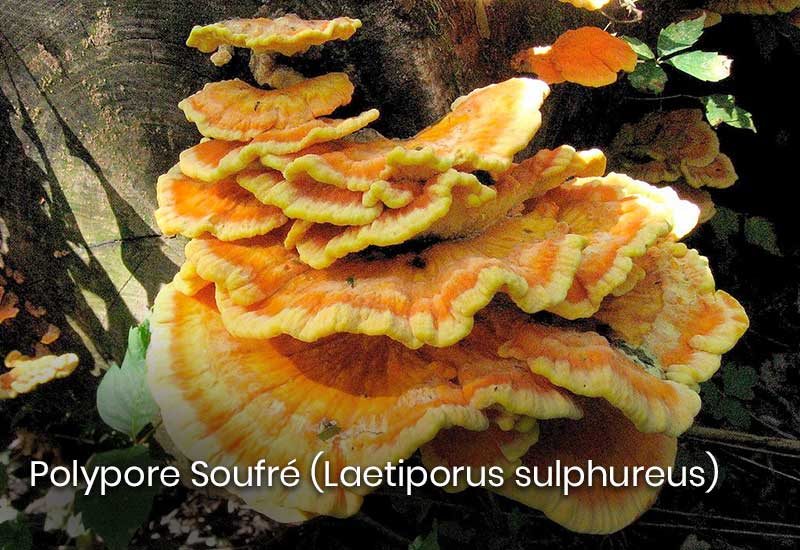
Sulphur Polypore (Laetiporus sulphureus)
strain locally in Louvain-la-Neuve from a wild cherry tree. Bright yellow caps, tangy flavor. Best cultivated on partially buried logs.
Exceptional species
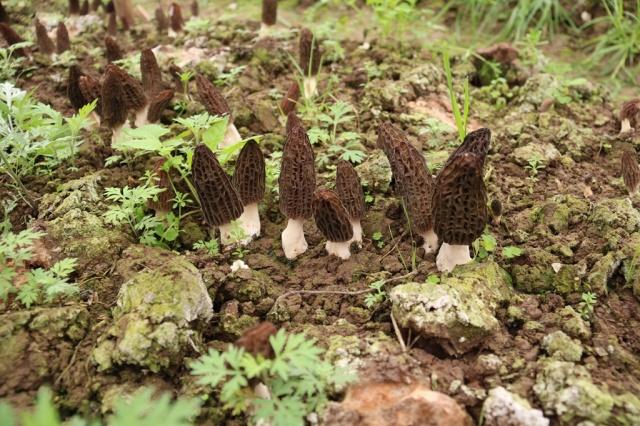
Black Morel (Morchella elata)
A saprophytic variety native to France. Highly prized in haute cuisine. Cultivation remains technically challenging and experimental.
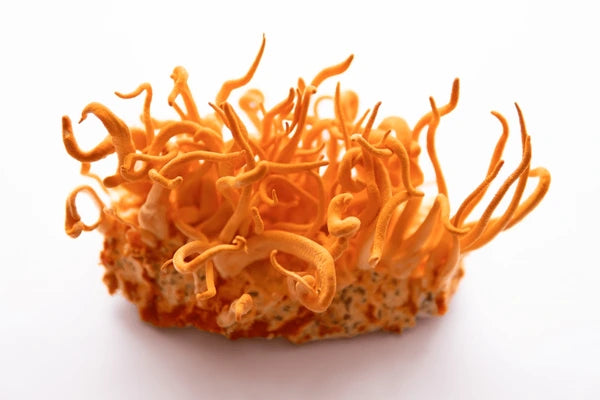
Cordyceps militaris
strain excellent strain Kaizen Cordyceps (England). Regular, well-pigmented fruiting bodies. Highly valued in mycotherapy and functional products.
Customer Reviews
Delivery was complete, well-packaged—no complaints so far :)
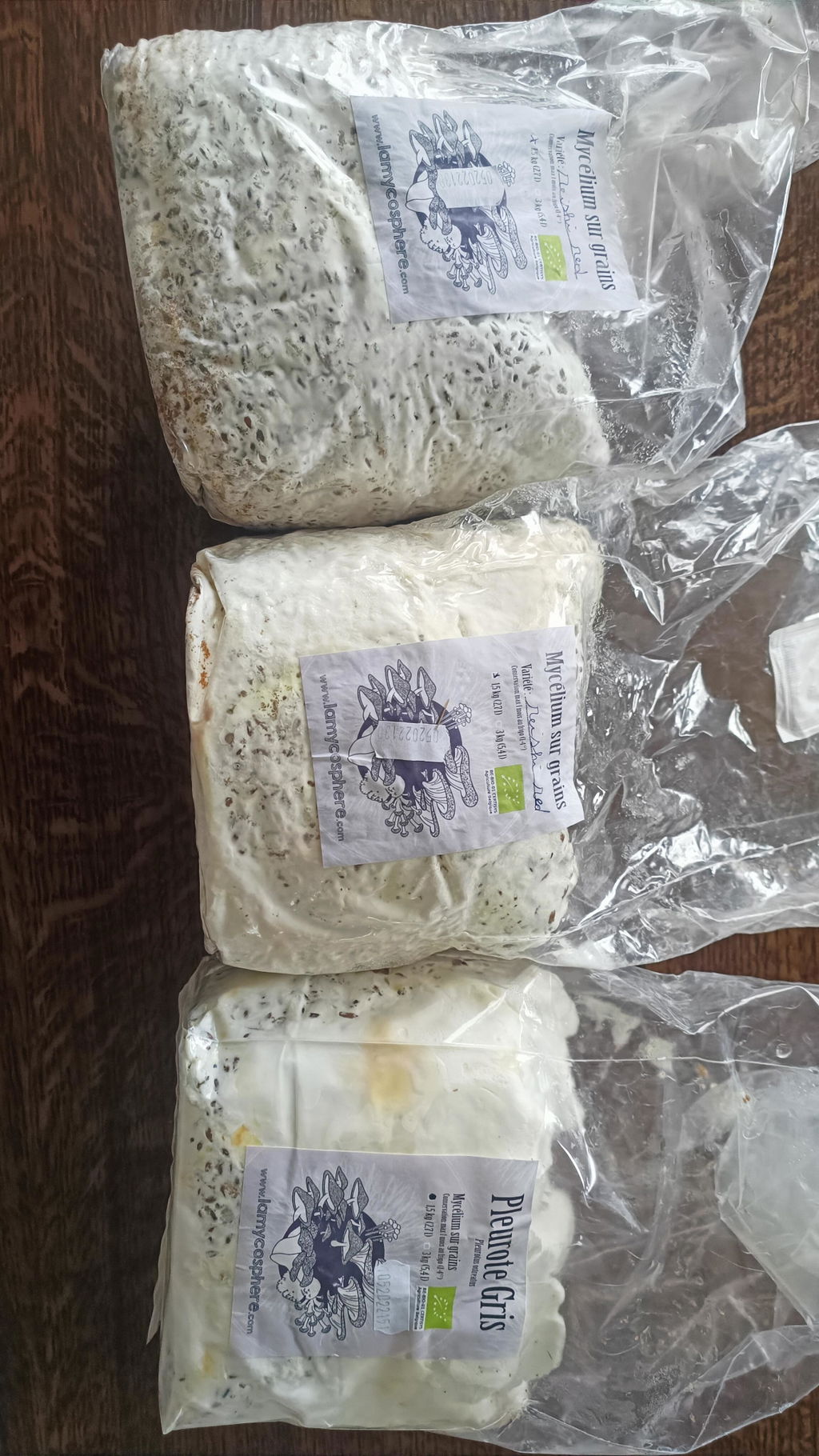
The coprin mycelium appears to be underdeveloped in the center of the sac.
I've placed several orders to create biomaterials using oyster mushroom and reishi mushroom spawn. I've never had any contamination in the products I received! There were a few instances of contamination in the final products, but the conditions under which I worked and the low inoculum levels were the main causes. In short, top-notch!
Reviews in Other Languages
Incredible quality, and the customer service is super helpful, quick, and responsive.
Working with this company has been a real pleasure, and the mycelium is incredibly robust, clean, and colonizes aggressively.
Hi Madison, thank you so much for your wonderful review! We're thrilled to hear that you're happy with our product and service. Your satisfaction means a lot to us! We look forward to serving you again.
Everything was fine and delivered quickly.
I used the grain, and six days later I have rapid and healthy mycelium growth that has almost completely colonized my bag