The Importance of Eating Certified Organic Mushrooms: Protect Your Health and the Environment
Mushrooms, true treasures of nature, offer a multitude of health benefits. However, it is essential to pay close attention to how they are grown. In this article, we will explore why it is crucial to choose certified organic mushrooms.

Mushrooms: Pollutant Sponges
Mushrooms have a unique ability to absorb substances from their environment, whether beneficial or harmful. This phenomenon is due to their porous structure, which makes them particularly susceptible to the accumulation of pollutants such as heavy metals, pesticides, and persistent organic pollutants (POPs).
-
Accumulation of Pollutants in Mushrooms
Mushrooms can accumulate heavy metals such as lead, cadmium, mercury, and arsenic, as well as pesticides and herbicides used in conventional agriculture. In addition, mushrooms are capable of concentrating persistent organic pollutants, such as dioxins and PCBs, which are known for their resistance to degradation and their ability to accumulate in living organisms.
A study conducted by Demirbas (2001) found that mushrooms can accumulate heavy metals at levels of concern, particularly when grown in contaminated soil. This accumulation poses a significant risk to human health when the mushrooms are consumed.
-
Health Risks
Consuming mushrooms that are not certified organic exposes people to these contaminants, leading to health risks such as:
- Heavy metal poisoning: The accumulation of heavy metals can lead to neurotoxic, renal, and hepatic effects.
- Endocrine disruptors: Certain pesticides and POPs are endocrine disruptors that can cause reproductive disorders and cancer.
- Cumulative effects: The bioaccumulation of these substances can have long-term effects, even at low levels of exposure.
-
Conventional Mushrooms vs. Organic Mushrooms
Conventionally grown mushrooms are often exposed to pesticides, fungicides, and chemical fertilizers, which can remain in the mushrooms until they are consumed. In contrast, organic mushrooms are grown without these chemicals, thereby reducing the risk of pollutant buildup.
Increased Risks with Wild and Imported Mushrooms
Wild mushrooms, although natural, can also accumulate pollutants, especially when they grow in areas polluted by human activities.
In addition, mushrooms imported from countries with less stringent regulations on pesticide use and pollution, such as China, pose an increased risk of contamination.
Most dried mushrooms and medicinal mushrooms are currently imported from China, and there is often a lack of transparency regarding their production conditions.
The Superior Benefits of Organic Mushrooms
Organic mushrooms aren't just safer; they're also potentially more nutritious.
A study has shown that organic foods, including mushrooms, contain higher levels of antioxidants than their non-organic counterparts. In addition, organic mushrooms are grown on natural, complex substrates, which can enhance their nutritional profile.
Environmental Impact
Organic mushroom farming helps reduce the amount of chemicals released into the environment. The USDA’s Pesticide Data Program found residues of thiabendazole, a pesticide, in 54.5% of conventionally grown mushroom samples, compared to none in organic mushrooms.
Buying organic isn't just about protecting your health—it's also about supporting sustainable agriculture.
The Mycosphere: Commitment and Certification
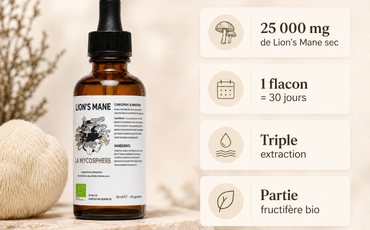
At La Mycosphère, we take the quality of our products very seriously. We grow our own mushrooms, following strict organic practices. Our production is certified and regularly inspected by Certisys, and we are proud to carry the BE-BIO-01 label. You can download our certificate directly from our organic commitment page.
Scientific References and Online Resources
- Demirbas, A. (2001). Bioaccumulation of heavy metals by mushrooms from artificially contaminated soils. Food Chemistry, 74(3), 293–301.
- Wikipedia - Endocrine disruptors: Endocrine disruptor
- Wikipedia - Heavy Metals: Heavy Metals
- USDA Pesticide Data Program, Thiabendazole Residue Analysis: USDA Report
- EarthTalk - Cleaning Up Contaminated Sites Naturally with Fungi: EarthTalk Article
- Wikipedia - Persistent Organic Pollutants: Persistent Organic Pollutants

About the author
He has been working for several years on mycelium cultivation, organic mushrooms, and functional extracts. Through his articles, he shares practical expertise gained from the production, experimentation, and processing of mushrooms.
Discover the Mycosphere