
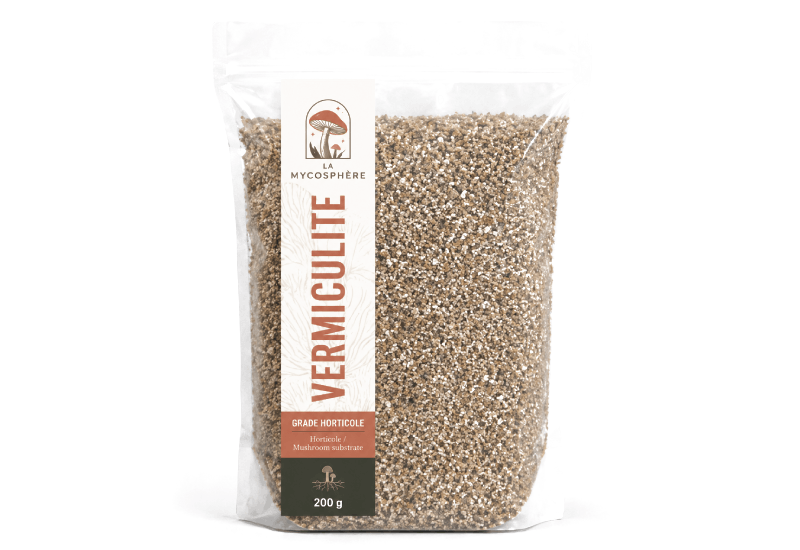
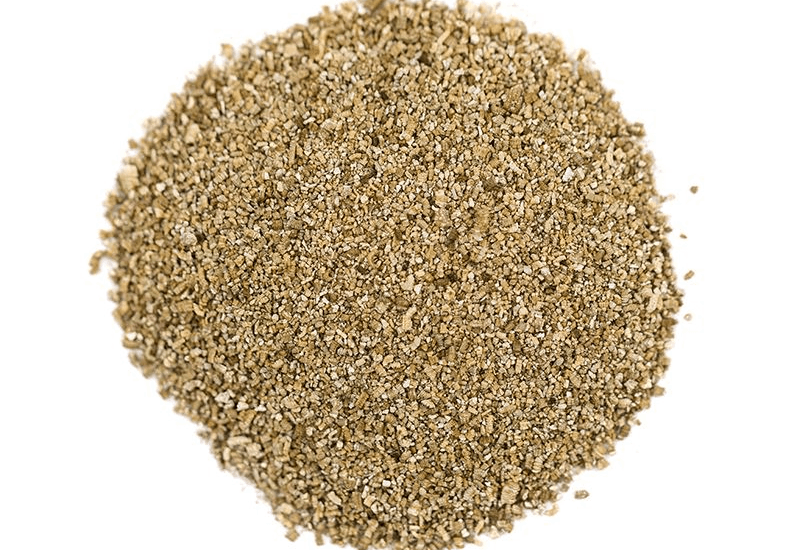
Horticultural vermiculite for growing media – 500 g
- Ideal for preparing a CVG substrate
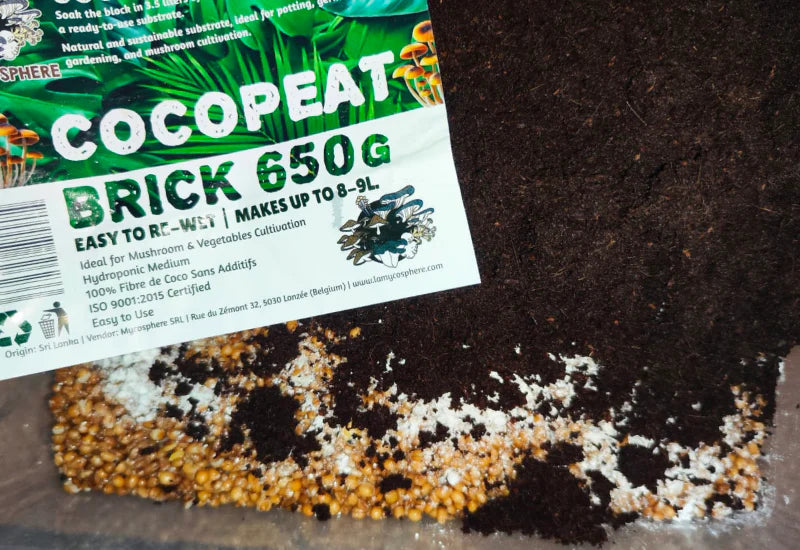
- Serving size for 2 blocks of coconut fiber (650 g each)
- Improves the substrate's water retention
- Lightens the mixture and reduces compaction
- Helps create a uniform, moist, and easy-to-work-with growing medium


This horticultural vermiculite is ideal for preparing growing media based on coconut fiber, particularly CVG-type mixes: coconut fiber, vermiculite, and gypsum.
It improves the texture of the growing medium, helps retain moisture, and results in a lighter, more uniform mix that is easier to work with. It is particularly useful for growing in containers, boxes, or single-tube systems.
For wood-decaying mushrooms such as oyster mushrooms, shiitake, reishi, lion’s mane, or pioppino, a sterilized wood-based substrate is generally more suitable than a CVG mixture.
Are you trying to decide between vermiculite, CVG, All-in-One, and wood substrate?
The right substrate depends on the type of mushroom you want to grow. Check out our guide to help you choose between CVG substrate, All-in-One bags, separate ingredients, or sterilized wood-based substrate.
Read the CVG & Monotub GuideWhy use vermiculite in a CVG growing medium?
- Improves the substrate's water retention
- Lightens the coconut fiber-based mixture
- Minimizes compaction of the substrate
- Promotes better moisture distribution
- Helps achieve a more uniform texture that is easier to work with
A convenient format for your CVG recipes
This 500-gram bag is intended for use with approximately two 650-gram blocks of coconut coir.
It makes it easy to prepare your own CVG growing medium by simply adding coconut fiber, gypsum, and hot water.
Estimated CVG recipe
For a 650-gram block of coconut fiber, you can use:
- 1 block of coconut fiber (650 g)
- About 250 g of vermiculite
- 50 to 100 g of gypsum
- About 3.5 to 4 liters of hot water; adjust according to the desired moisture level
After watering, the potting mix should be moist but not soggy. When you squeeze a handful of the mix, only a few drops should drip out. If a lot of water drips out, the mix is too wet.
Usage
- Place the coconut coir, vermiculite, and gypsum in a clean bucket.
- Add the boiling water gradually.
- Close the bucket and, if possible, wrap a blanket or insulation around it to keep the temperature high for longer.
- Let it sit for several hours to allow the coconut block to absorb all the water.
- Mix thoroughly until the mixture is smooth.
- Let it cool completely before using.
Features
- Weight: 500 g
- Type: Horticultural vermiculite
- Uses: CVG substrates, coconut coir mixes, container, box, or monotube cultivation
- A lightweight, mineral-based, and naturally absorbent product
- Use in combination with coconut fiber and gypsum
Advice from La Mycosphère
To ensure a well-balanced growing medium, avoid adding too much water at the start. It’s best to begin with a moderate amount and then gradually adjust the moisture level of the mixture. The final texture should remain loose, crumbly, and not soggy.
Would you like to prepare a complete CVG substrate?
This vermiculite can be used with our coconut fiber block and gypsum to prepare a CVG growing medium suitable for growing in trays, boxes, or single-tube systems.
For a simpler solution, check out our complete CVG kit (coconut fiber + vermiculite + gypsum) , with all the ingredients already mixed in the right proportions.


Organic Rye Grains
€3.50–€32.50
Bag of Organic Sterilized Grains
€11.80–€16.90