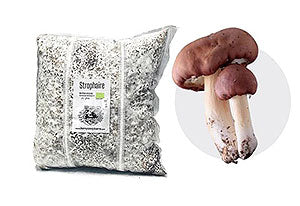
Organic King Stropharia Grain spawn
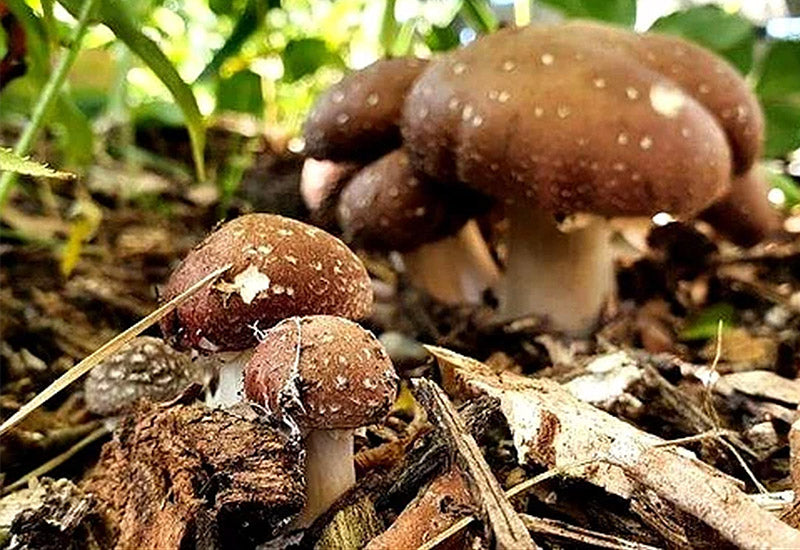
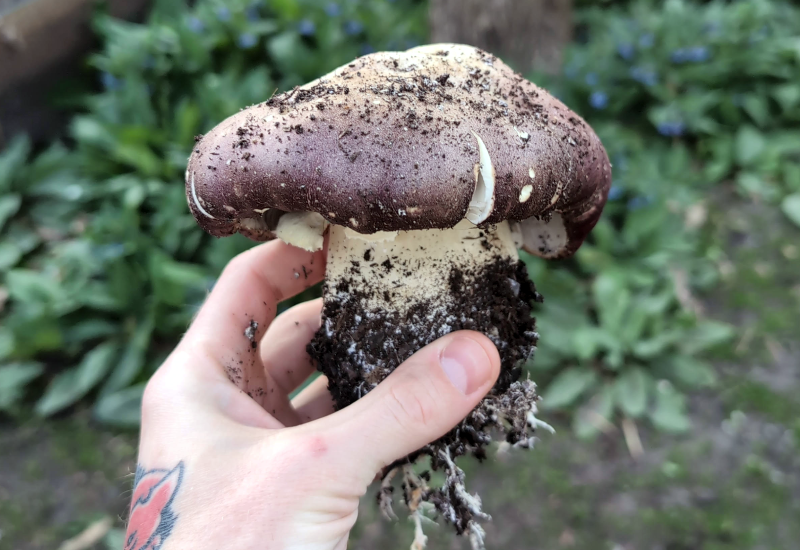
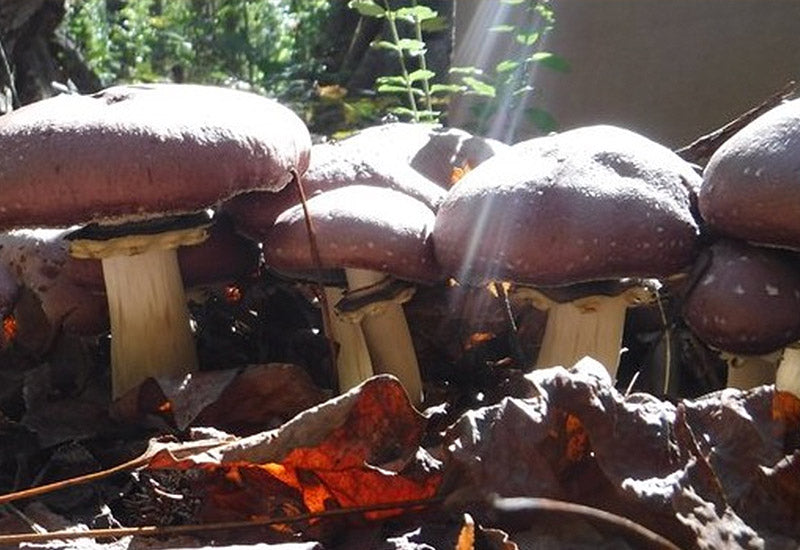
- 🍄 MYCELIUM ON WINE-RED STROPHARIA SPORES: Stropharia rugosoannulata, also known as the gardener’s mushroom or king stropharia.
- 🌱 PERFECT FOR THE VEGETABLE GARDEN: Blends easily with mulch, wood chips, and permaculture systems.
- 📏 APPROXIMATE DOSAGE: About 1 kg of mycelium is enough to inoculate 1 to 2 m² of mulch.
- 📘 GROWING GUIDE: You can sow seeds in the spring or fall. Check out our comprehensive guide.
- 🌍 LOCALLY GROWN AND ORGANIC: Certified BE-BIO-01 by Certisys.


Wine-red Stropharia – Gardener's Mushroom
The wine-red stropharium, also known as the gardener's mushroom, is a hardy, productive mushroom that is particularly well-suited for growing in vegetable gardens, permaculture systems, or garden mulch beds.
It grows very well on wood chips, straw, and lignocellulosic mulch, which it gradually colonizes to produce beautiful mushrooms right outdoors.

Easy to grow and very hardy, the stropharia mushroom is ideal for beginners. Once established in a mulch bed, the mycelium can produce mushrooms for several seasons while helping to break down organic matter and improve the soil.
The stropharia mushroom is an excellent decomposer of lignocellulosic materials. It grows equally well on fresh substrates, such as straw and wood chips, as well as on materials that are already partially decomposed.
The first mushrooms usually appear 2 to 4 months after sowing, depending on the season, humidity, and temperature.
❄️ Storage of the mycelium: about 2 months in the refrigerator.
👉 For more information, check out our comprehensive guide: How to Grow Stropharia in Your Vegetable Garden
🌱 Growing techniques
🌱 Preparing the growing medium and cultivation techniques
The wine-red stropharia grows on substrates rich in cellulose and lignin: straw, hardwood wood chips, BRF, garden mulch, or mixtures of plant matter.
When growing outdoors, it is generally not necessary to sterilize the growing medium. However, a light treatment can significantly increase the chances of success, especially with straw or wood chips that are already dry.
La Mycosphère Tip: Use fresh, clean, and untreated materials whenever possible. The substrate should be thoroughly moistened before inoculation, but never soaked. Straw that is too dry will inhibit colonization, while a waterlogged substrate can promote the growth of bacteria and mold.
Prepare hardwood shavings
Fresh hardwood chips can be used directly if they are clean, well-moistened, and untreated.
If the wood chips are dry, dusty, or have been stored for a long time, we recommend soaking them completely in water for a few days to a week.
This soaking process thoroughly rehydrates the wood chips and reduces some of the competing aerobic microorganisms. After soaking, drain thoroughly before inoculation: the wood chips should be moist throughout, but should not be dripping wet.
Preparing straw
The straw must be clean, free of mold, and thoroughly moistened before adding the mycelium.
For simple outdoor cultivation, soaking or thorough rinsing may be sufficient. To maximize the chances of colonization, you can also soak the straw in cold water with lime, then drain it thoroughly before inoculation.
This method helps control some of the competing bacteria and mold while ensuring the substrate remains properly moist. Always use lime with caution, avoiding contact with your skin and eyes.
1. The stropharia bed — recommended method
This is the most reliable and productive method for growing stropharia in the garden.
- Prepare the soil: light weeding or a small trench.
- You may want to lay down a layer of cardboard to suppress weeds.
- Add a first layer of prepared straw or wood shavings, about 2 to 4 inches thick.
- Crumble the mycelium and spread it evenly.
- Cover with a new layer of moist growing medium.
- Water thoroughly, using about 10 liters of water per square meter.
- Depending on the location’s exposure and dryness, cover lightly with soil, mulch, or a shade cloth.
The substrate should remain moist during the colonization process, without being waterlogged.
 ```
```2. The Straw Bale Method
This method is very simple, but slightly less reliable than a well-prepared growing bed.
Moisten the bundle of straw by soaking it overnight or by watering it repeatedly. You can also use straw that has been soaked in lime water and then thoroughly drained.
Next, place a handful of mycelium into the bundle, then set it in a shaded spot. Keep the straw moist, but don’t let it get soggy.
Straw that is too dry prevents colonization, while straw that is too damp can promote the growth of bacteria and mold.
3. Growing in pots
You can grow plants in pots on a terrace or balcony, using containers that are 20 to 40 cm deep.
- Soak the straw overnight, or use well-rehydrated wood chips.
- Drain the growing medium: it should be moist, but not soggy.
- Mix the moist substrate with the mycelium at a rate of 5 to 10% of the wet weight.
- Fill the pots and press down lightly.
- Keep moist during the establishment period, which lasts about 2 to 3 weeks.
- Add a layer of potting soil or mulch.
- Keep moist until the mushrooms appear.

📏 How much mycelium should I use?
| Area to be seeded | Recommended amount of mycelium |
|---|---|
| 1.5 square meters | 1 bag (1.5 kg) |
| 5 square meters | 2 bags, 3 kg each |
| 10 square meters | 4 bags of 3 kg |
| 20 square meters | 7 to 8 bags of 3 kg |
We generally recommend using 5 to 10% mycelium relative to the weight of the moist substrate.
Example: An 8-kg bale of dry straw weighs about 25 to 30 kg once moistened. A 3-kg bag of mycelium is then sufficient to inoculate approximately 3 to 6 square meters of mulch.
For faster and more reliable colonization, especially for beginners, it is best to aim for about 10% mycelium. For large areas, the amount can be reduced to about 5%.
📈 Productivity
Yields depend heavily on humidity, temperature, the type of mulch, the depth of the growing bed, and ongoing maintenance.
Typically, between 1 and 3 kg of mushrooms are harvested per square meter of mulch over the course of the growing season. Under favorable conditions, a stropharia bed can produce for several seasons, especially if fresh wood chips are added regularly.
FAQ – Growing Red Wine Stropharia
How long does it take before the first harvest
The first mushrooms usually appear 2 to 4 months after sowing, depending on the temperature, humidity, and season.
Should the substrate be pasteurized?
It is generally not necessary to sterilize the growing medium for outdoor cultivation of stropharia. However, light sterilization does increase the chances of success.
For hardwood chips, you can submerge them completely in water for a few days to a week. This allows them to rehydrate thoroughly and reduces some of the competing aerobic microorganisms. Then drain them thoroughly before inoculation.
For straw, a simple soak may be sufficient, but a cold soak with lime can help reduce bacteria and mold. In any case, the substrate should be moist but not soggy.
Can it be grown directly in the vegetable garden?
Yes, that’s actually one of the best ways to use this mushroom. The stropharia grows very well in vegetable garden mulch, especially among tomatoes, squash, corn, or fruit trees.
Does stropharia improve the soil?
Yes. By breaking down the mulch, it helps recycle organic matter and contributes to soil fertility.
What humidity level should you maintain?
The mulch should remain moist, but not soggy. During dry periods, water regularly, especially while the mushrooms are growing and emerging.
Our Commitment to Quality

We produce our mycelium under laboratory conditions to ensure varietal purity and optimal quality.
Our mycelia are organically produced and certified BE-BIO-01, Agriculture Belgique by Certisys.


Organic Shiitake - Plug Spawn
€7.80–€59.00
Organic Blue Oyster Mushroom - Plug Spawn
€7.80–€59.00
Wax for Log Cultivation
€2.90–€15.90