

Organic Lion's Mane Fruiting Block
- 🍄 LION'S MANE GROW KIT: Makes it easy to grow Lion's Mane mushrooms at home, with culinary and health benefits.
- 💡 EASY TO GROW: fruiting block , with 1 kg of fresh organic mushrooms across 3 possible harvests.
- 📈 DETAILED INSTRUCTIONS: Follow the instructions for guaranteed success in growing and harvest.
- 🧪 MINIMAL MAINTENANCE: Easy to water and care for, perfect even for beginners. Place the kit in a suitable location, such as a basement, kitchen, or garage.


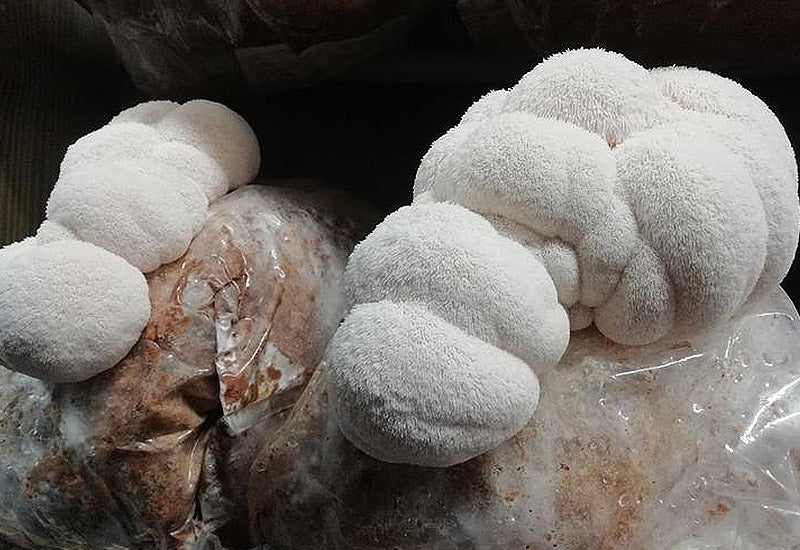
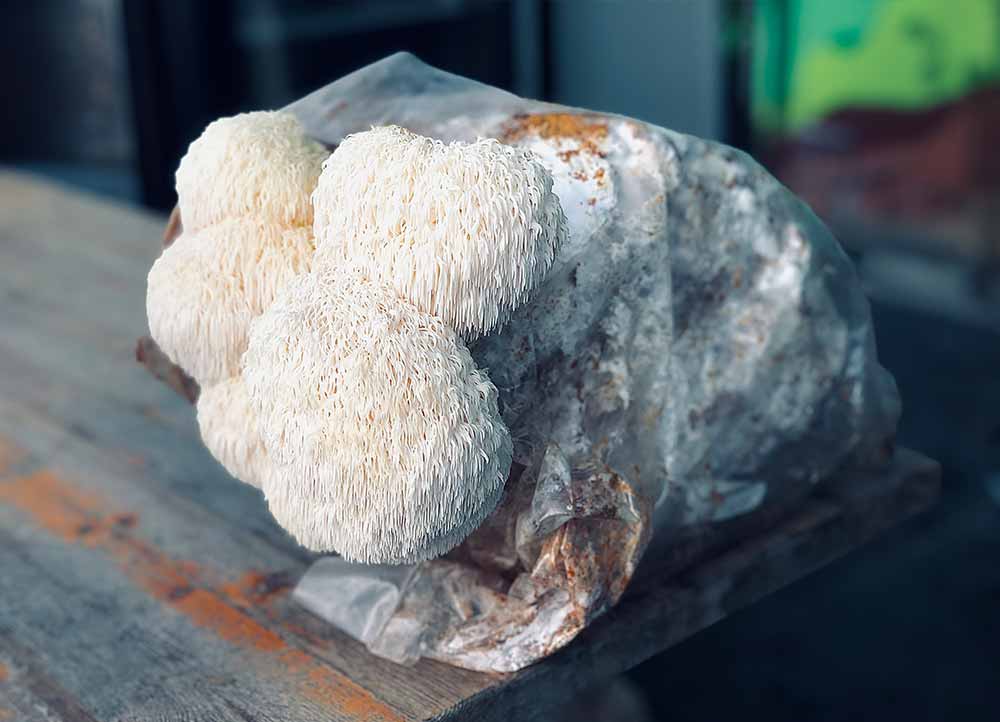
Easily grow your ownLion’s Mane, also known as lion’s mane, lion’s mane or Hericium erinaceus. This spectacular mushroom forms white tufts made up of tiny spines, with a tender texture and a delicate, slightly briny flavor often compared to crab or lobster.
- Variety: Lion’s Mane, Hericium erinaceus, lion’s mane.
- harvest up to 1 kg of fresh mushrooms over 2 to 3 harvests.
- Ingredients: Water, sawdust, grains (including alfalfa), lime, mycelium. Net weight of the bale: ±3 kg.
- Dimensions: 20 x 15 x 20 cm (L x W x H)
-
Origin: Belgium (Mycosphere)
Note: The harvest estimates harvest based on our production experience. They are not guaranteed, as yield depends heavily on growing conditions: temperature, humidity, ventilation, light, and the grower’s experience.
🍄 Variety: Lion’s Mane
Lion’s Mane is one of the most unique mushrooms to grow. Unlike oyster mushrooms or shiitake mushrooms, it does not form a traditional cap, but rather a rounded white mass that gradually develops small spines called hydnes.
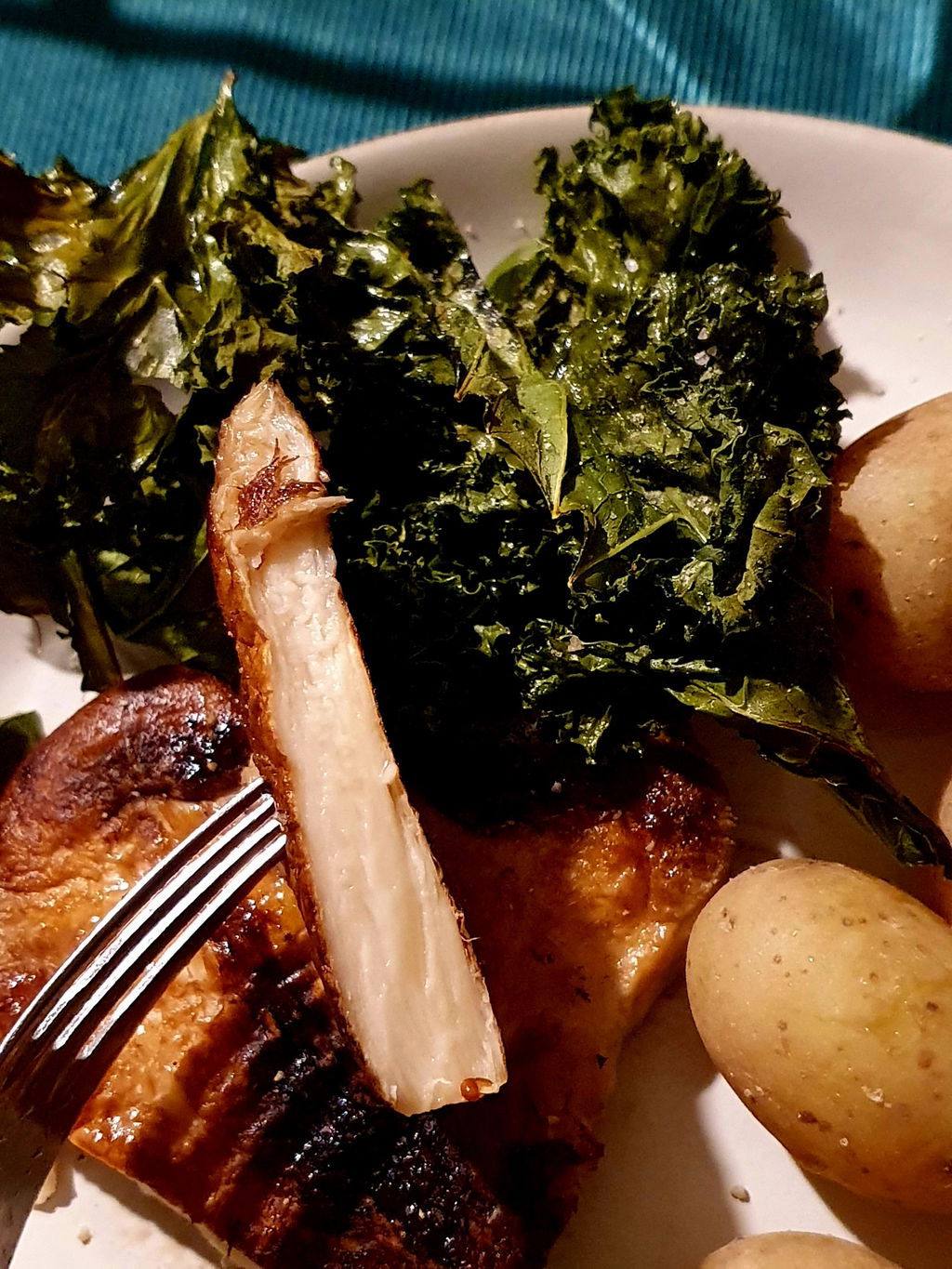
Its texture is tender, melt-in-your-mouth, and fibrous, with a mild and delicate flavor. It is particularly popular pan-fried, shredded, in fritters, in vegetarian “crab cakes,” in sauce, or simply sautéed with garlic and butter.
Lion’s Mane mushrooms are a bit more delicate than regular oyster mushrooms. They need high humidity, but they don’t like to get wet directly. Dry drafts, temperature fluctuations, or low humidity can cause them to turn yellow prematurely.
Our commitment to quality:

We produce our mycelium in laboratory conditions, thereby ensuring the purity of the strains and optimal quality.
We produce our mycelium using 100% organic methods, and all our products are certified “BE-BIO-01, Agriculture Belgique” by CERTISYS.

📦 How to Use the Bundle
If you can't use the spawn right away, store it in the refrigerator for about 2 weeks. Lion's Mane can fruit year-round, but it generally produces the best results in cool to moderate conditions, between 12 and 20°C.
For this variety, we recommend allowing the mushrooms to grow through small openings in the bag. This helps retain moisture in the substrate while guiding the mushrooms as they emerge.
- Place the bundle in a well-lit room, but out of direct sunlight.
- Make sure to squeeze all the air out of the bag so that the plastic stays close to the substrate.
- Make 1 or 2 cross-shaped cuts, about 4 to 5 cm long, on the sides of the bundle, at the level of the substrate.
- Avoid making too many openings: fewer openings generally result in larger mushrooms that are easier to keep moist.
- Maintain high humidity around the bale, ideally between 85 and 95%.
- Ventilate regularly, but avoid direct drafts, which can dry out the young mushrooms.
If the air is dry, place the bundle in a small greenhouse, a growing box, or under a clear plastic bag with small holes punched in it. In this case, remove the plastic 1 to 2 times a day to let fresh air in.
Avoid spraying directly onto young Lion’s Mane mushrooms. It’s better to humidify the air around the substrate or the walls of the grow room. The mushrooms should remain in a humid environment, but should not be constantly wet.
Use our mini-sprayer or our professional misters to maintain adequate humidity around the bale.
⚙️ Recommended growing conditions
| fruiting temperature | 12–20°C. Ideal: 15–18°C |
| Relative humidity | 85–95% |
| The Appearance of pins | About 7 to 14 days after opening, depending on conditions |
| Time until harvest | About 5 to 10 days after the young mushrooms appear |
| Aeration / CO₂ | Ventilate regularly. Ideally, maintain a level of around 500 to 1,000 ppm. |
| Light | Indirect light, approximately 500 to 1,000 lux |
| Number of harvests | 2 to 3 harvests, with a break between each harvest |
Note: If the Lion’s Mane turns yellow quickly, it’s often because the air is too dry, the temperature is too high, or the mushrooms have been directly exposed to water. If the mushroom becomes very branched, coral-like, or loose, this may indicate a lack of fresh air.
🌱 Where should you grow it?
Grow your bundle indoors: in the kitchen, basement, garage, laundry room, or a room that isn’t very warm. Lion’s Mane needs a little light to grow properly, but avoid direct sunlight, radiators, and dry drafts.
The goal is to maintain a humid and stable environment around the bundle. A small grow tent, a grow box, or a fruiting chamber fruiting help achieve better results.
🔄 harvest
Harvest Lion’s Mane when the spines are about 5 mm long and the mushroom is still white to light cream in color. If you wait too long, the spines will grow longer, the texture will become drier, and the mushroom may turn yellow.
To harvest, gently grasp the mushroom at the base and twist it off. You can also cut it cleanly with a clean knife. Remove any remaining pieces from the substrate to prepare for the harvest .
The first harvest usually the most abundant. Subsequent harvests are often smaller, but can yield beautiful mushrooms if the log remains well-moistened.
💡 Tips for Future Harvests
After the first harvest, let the ballot rest for a few days, keeping it well-moistened. To encourage a second or third harvest, you can:
- Rehydrate the bundle by soaking it overnight in clean water, then drain it thoroughly before returning it to the growing medium;
- Give it a gentle cold shoc placing the bundle overnight in a cool place, such as the refrigerator or a cool room;
- check that the openings are not dried out;
- Maintain high humidity without directly wetting the young mushrooms.
🍳 Cooking Tips
Lion’s Mane is easy to cook. Its fibrous texture makes it easy to shred by hand or cut into thick slices. It’s excellent pan-fried, grilled, breaded, in a sauce, or in vegetarian recipes that call for a tender, rich texture.
For a simple preparation: tear the mushroom into pieces, sauté it over medium-high heat with a little oil or butter, then add salt, pepper, garlic, parsley, soy sauce, or lemon juice toward the end of cooking. Cooking until golden brown helps concentrate the flavors and creates a nice texture.
📦 Storage
Lion’s Mane mushrooms are more delicate than eryngii or shiitake mushrooms. Store them in a paper bag in the refrigerator and consume them ideally within 3 to 5 days of harvest.
To extend its shelf life, you can dry it, grind it into a powder, freeze it after cooking, or use it in your recipes.
Legal notice for Belgium: “Organic growing medium: pasteurized and inoculated mushroom growing medium” (Exemption No. EM470.J). Do not consume the growing medium.
View all our delivery timesCustomer Reviews
Great article
Delivery was fast, and the product was very well packaged. Now we're just waiting. :) 😀
I bought an organic fruiting block mane fruiting block , and I'm very happy with it. The mushrooms grow very well and easily.
Reviews in Other Languages
Great!
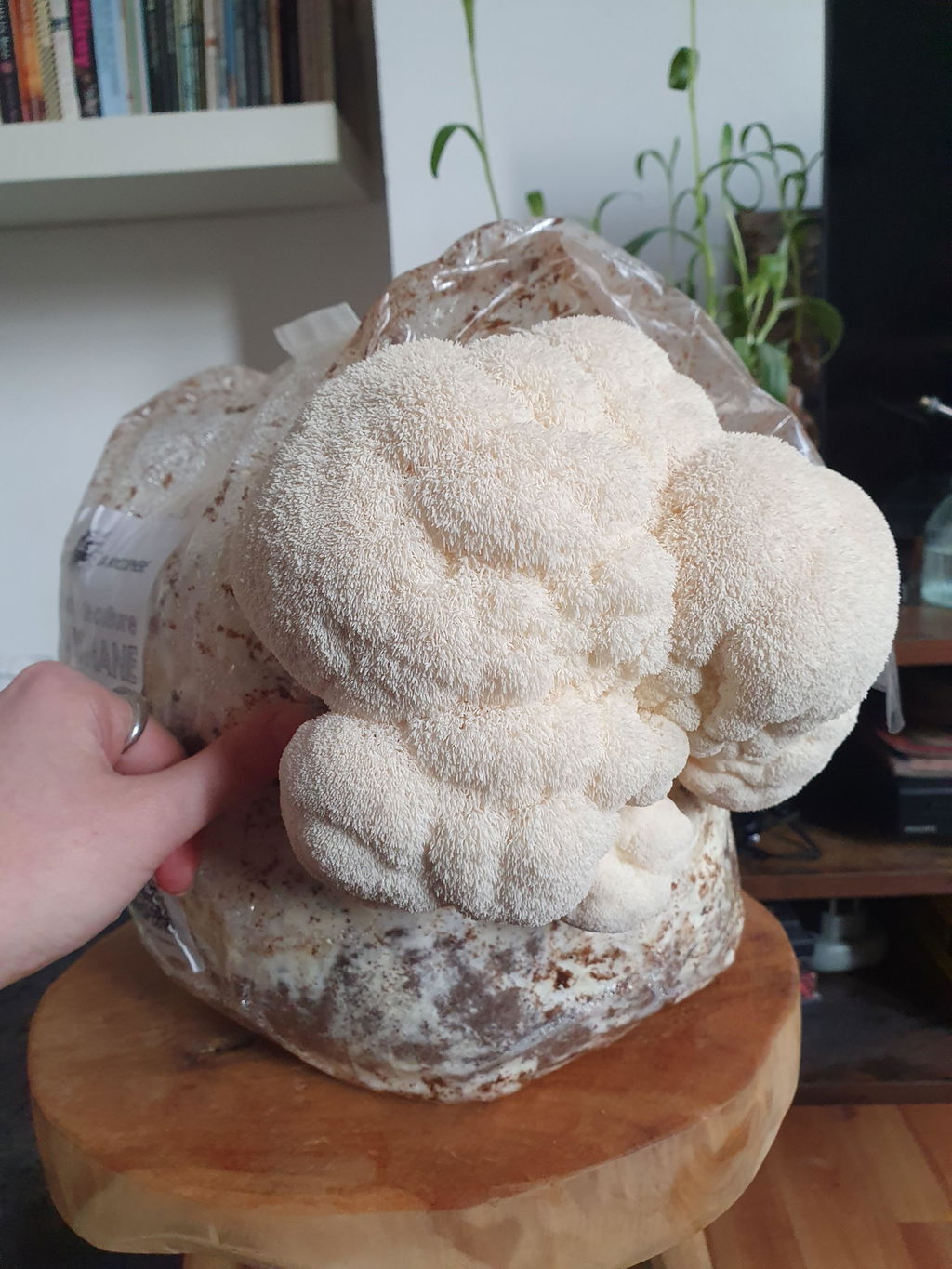
Wow, I just harvested my first batch, and both the flavor and texture were amazing! This is my first mushroom growing kit, and it was really easy to grow—right in my living room, with just a daily spray. I highly recommend it!
Great.


