Shiitake, also called oak lentin, has been consumed for over 7000 years in Japan. It is said to have been cultivated for more than 2000 years on oak logs.
Rich in vitamins (notably D and B) and trace elements (magnesium, phosphorus, selenium, ...), its virtues are also multiple: antioxidant, immune system stimulant, and even reportedly aphrodisiac. Its color ranges from light brown to dark brown. Its flesh is both firm and supple. Depending on its cooking, shiitake releases woody, earthy, hazelnut flavors.
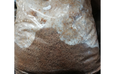
Today, professional shiitake production is generally done on wood sawdust bags, which allows for faster and better-controlled production.
To cultivate shiitake on logs, we recommend using our mycelium-colonized plugs from our shop.
Its indoor cultivation is relatively more complex than that of oyster mushrooms. It requires a more specific substrate, generally composed of sawdust and wheat bran. Its incubation goes through three stages (colonization, pop-corning, maturation), over a period of 10-12 weeks.
Here is a video on the different stages of indoor shiitake cultivation:

À propos de l’auteur
Passionate about the fungal world and a committed entrepreneur, Quentin shares his knowledge and expertise through articles and consulting. With the Mycosphere, he aims to raise public awareness about the importance of mushrooms in our ecosystems and to promote innovative solutions for a sustainable future.
Découvrir La Mycosphère